
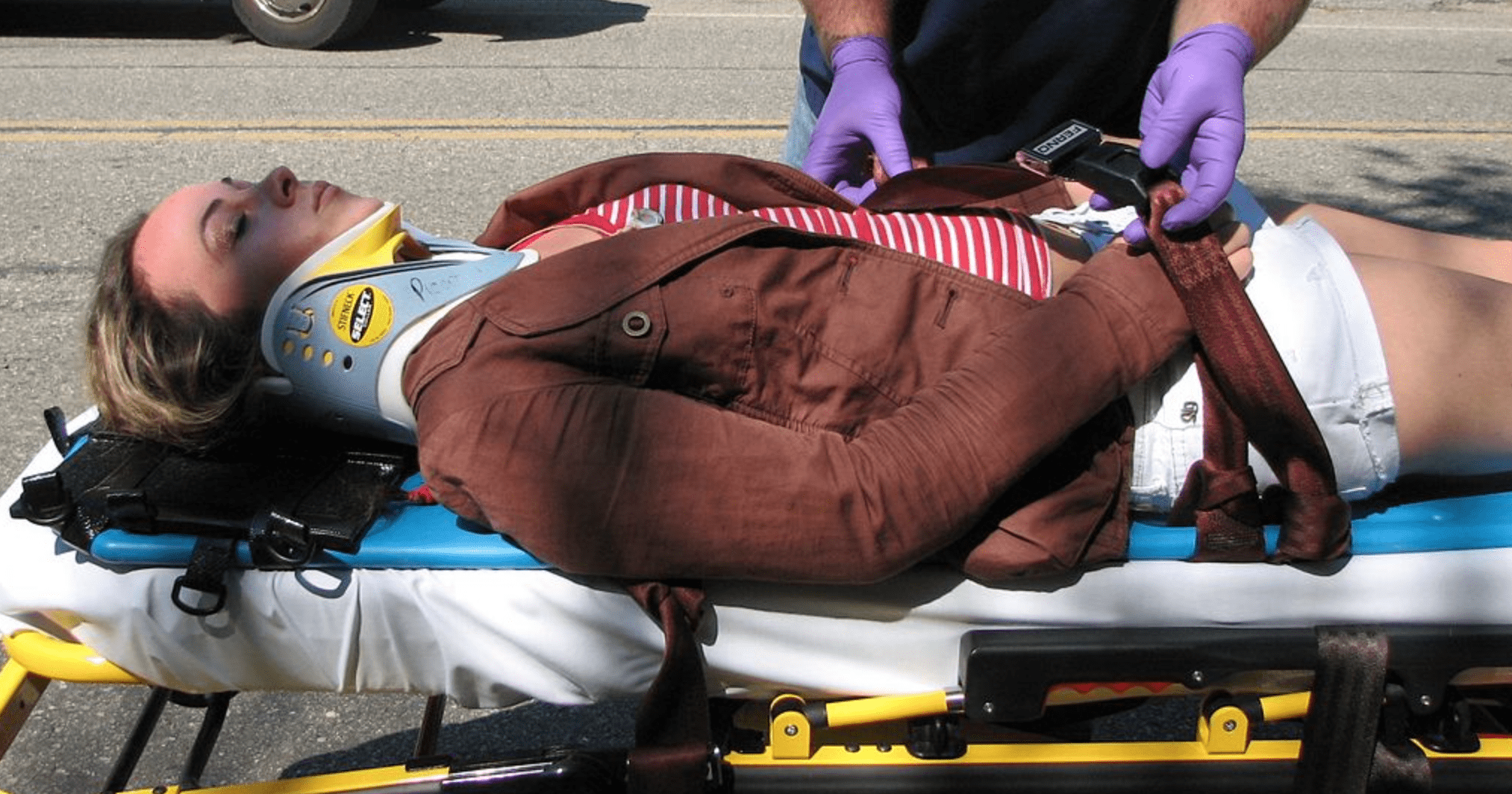
Understanding the process, gathering evidence, and knowing your rights are critical steps that protect your recovery and future well-being.
A personal injury claim after a motor vehicle accident can cover medical expenses, lost wages, and pain and suffering. Success depends on timely medical care, accurate documentation, and knowledge of local rules. An experienced personal injury lawyer can guide you through the accident injury claims process and help secure fair motor vehicle accident compensation.
The Importance of Location in Personal Injury Claims: Motor Vehicle Accidents
Where the accident occurs affects every part of your claim. Laws, insurance rules, and court procedures vary by state or province. Some areas operate under “at-fault” systems, meaning the responsible driver’s insurer covers damages. Others follow “no-fault” insurance, which provides faster payouts but limits lawsuits.
Examples:
- At-fault jurisdictions: If another driver hits you, their insurance typically covers medical bills and lost wages. If liability is disputed, you may need a lawsuit.
- No-fault jurisdictions: Your insurer pays for immediate medical and wage losses, even if you were partially at fault. Lawsuits are only allowed for severe injuries.
Location also determines:
- Filing deadlines — missing them can end your claim.
- Damage caps — some provinces limit non-economic compensation like pain and suffering.
- Evidence requirements — different regions may require additional forms, witness statements, or expert reports.
Understanding local rules is critical. Filing correctly the first time increases your chances of successful car accident injury claims. For guidance, visit https://dunlapinjurylawyer.ca/.
The Accident Injury Claims Process Step by Step
Immediate Steps After a Crash
- Seek medical care immediately. Even minor injuries should be documented.
- Report the accident. File a police report and notify your insurer within the required timeline.
- Document everything. Photos of vehicles, injuries, road conditions, and witness contact info are essential.
Establishing Fault
Proving responsibility is key to compensation. Evidence may include:
- Police reports
- Witness statements
- Traffic camera footage
- Expert accident reconstruction for disputed cases
Evidence Checklist
- Medical reports and invoices
- Lost wages documentation (pay stubs, tax records)
- Vehicle repair or replacement costs
- Pain diaries to demonstrate the impact on daily life
Common Mistakes to Avoid
- Delaying medical treatment
- Providing incomplete or inconsistent statements to insurers
- Failing to keep organized records
- Ignoring deadlines specific to your jurisdiction
Following these steps ensures a smoother accident injury claims process and strengthens the potential for fair motor vehicle accident compensation.
Strengthening Your Car Accident Injury Claims
Challenges You Might Face
- Insurers questioning injury severity or causation
- Disputed liability or multiple drivers involved
- Gaps in medical treatment affecting credibility
Tips for Stronger Claims
- Document early and consistently. Record injuries, pain levels, and limitations daily.
- Keep all medical appointments. Consistent treatment demonstrates the seriousness of injuries.
- Organize your claim. Use one folder or digital file for all receipts, invoices, and communications.
- Communicate factually with insurers. Avoid speculation or admitting fault.
Evidence to Include
- Photos of injuries and vehicles immediately after the accident
- Medical bills and prescriptions
- Proof of lost income and future treatment estimates
- Witness statements or contact information
- Repair estimates and replacement vehicle costs
A well-prepared claim increases your chances of obtaining motor vehicle accident compensation without unnecessary delays.
The Role of a Personal Injury Lawyer in a Car Accident

A lawyer adds strategy to your case. Their responsibilities include:
- Handling insurer communications to prevent mistakes
- Gathering expert testimony to validate injuries and financial impact
- Ensuring all deadlines and procedures are met
- Advising on settlement vs. trial based on evidence strength
Working with a professional motor accident lawyer can significantly increase your chances of a fair settlement. They know how to counter insurer tactics, strengthen evidence, and maximize your motor vehicle accident compensation.
Questions to Ask Before Hiring
- How many similar cases have you handled?
- What is your success rate with settlements and trials?
- Who will manage my file day-to-day?
Lawyers can also negotiate fairer settlements, interpret complex local laws, and anticipate challenges that might otherwise delay your accident injury claims process.
Understanding Motor Vehicle Accident Compensation
Types of Compensation
- Economic damages: Medical bills, therapy, lost wages, rehabilitation, and transportation costs
- Non-economic damages: Pain, suffering, emotional distress, and diminished quality of life
- Additional damages: Lost earning capacity, future medical costs, and in rare cases, punitive damages
Settlement vs. Trial
When pursuing motor vehicle accident compensation, you generally have two options: settlement or trial. Settlements are typically resolved within weeks to a few months and offer more predictable outcomes, making them a faster and less stressful option. Trials, on the other hand, can take several months or over a year to conclude.
While the potential award may be higher at trial, the process is more stressful due to court appearances, legal procedures, and the involvement of expert witnesses. Costs also tend to be lower for settlements, whereas trials often incur additional expenses for court fees and expert testimony.
Timeline for Compensation
- Minor claims: a few months if documentation is complete
- Complex claims: a year or longer with disputed liability or serious injuries
- Always adhere to local statute-of-limitations rules to avoid losing your right to claim
Conclusion
After a motor vehicle accident, the path to fair motor vehicle accident compensation can feel overwhelming. Understanding the process, gathering evidence, and knowing your rights are critical steps that protect your recovery and future well-being.
- Seek immediate medical care and document every detail.
- Understand local rules; location influences deadlines, evidence, and compensation.
- Organize all documents for your car accident injury claims.
- Consult a personal injury lawyer for a car accident to navigate the accident injury claims process efficiently.
- Strong preparation increases the likelihood of fair motor vehicle accident compensation.
Join the conversation!