

Drivers who document the scene early, preserve repair and medical records, and tie the defect to the right stretch of road are in a far better position than those relying on memory alone.
Chicago drivers know potholes are part of life, especially after winter. Most are little more than an annoyance. Some destroy a tire, bend a rim, throw off alignment, or set off a crash in seconds. When that happens, the damage may be obvious, but the path to compensation usually is not.
A claim tied to a road defect can look very different from the usual accident case. The questions go beyond who was hurt and how badly. Drivers may need to show where the defect was, who was responsible for that stretch of road, how the damage happened, and whether the city had enough notice to fix the problem before someone got hurt.
When the City May Be Part of the Claim
A pothole claim starts with a basic question: who was responsible for that stretch of road? In Chicago, that answer is not always obvious. Some streets fall under city control, while others may be maintained by a different public agency. If the wrong entity is blamed from the start, the claim can lose momentum fast.
Control matters because road defect cases turn on maintenance, notice, and responsibility. A driver has to do more than show that a pothole existed. A stronger claim connects the defect to a specific location, shows that the roadway was under the city’s care, and explains how the damage or crash happened. That matters even more when the city argues that the condition was minor, recently formed, or not the real cause of the loss.
What To Document Right Away
The strongest pothole claims are built early. A driver who can safely stop should start with the scene itself. That means clear photos of the pothole from multiple angles, wider shots showing where it sits in the roadway, and images of any missing pavement, standing water, broken edges, or nearby hazards that may have made it harder to avoid. If a phone records decent video, a short walk-through can help capture depth, traffic flow, and visibility in a way that photos sometimes cannot.
The location matters as much as the damage. Drivers should note the street name, nearest address, intersection, lane position, direction of travel, and time of day. In Chicago, those details can carry real weight when a claim turns on which stretch of road was involved and who was responsible for maintaining it. Damage to the vehicle should be photographed before repairs whenever possible, including the tires, wheels, undercarriage, and any body damage tied to the impact. If the incident led to injuries, witness statements, or a police response, those details should be preserved as well. When a pothole crash leads to serious injuries or a dispute over who is responsible, early guidance from a car accident lawyer in Chicago can help preserve evidence before road conditions change or records become harder to track down.
Why Prior Notice Matters
A damaged street alone does not always make a strong claim. Much depends on whether the city knew, or should have known, that the pothole was there. That can become a major point of dispute. A driver may be dealing with obvious damage, while the city argues it never had a fair chance to fix the problem before the crash happened.
That is why evidence of prior notice can carry real weight. A history of complaints, past repair requests, repeated patching in the same area, or visible signs that the defect had been there for some time can all help support the claim. Even the condition of the surrounding pavement can matter. Crumbling edges, uneven patches, and long stretches of wear can make the pothole look less like a sudden problem and more like part of a known maintenance issue.
The Records That Help Prove Losses
Good documentation does more than show that a pothole existed. It helps tie the road defect to the financial and physical fallout that followed. Repair estimates, invoices, towing bills, rental car costs, and photos taken before any work begins can help show the extent of the damage. If the crash caused injuries, medical records, discharge papers, follow-up visits, and proof of missed work can connect the incident to losses that go beyond the vehicle itself.
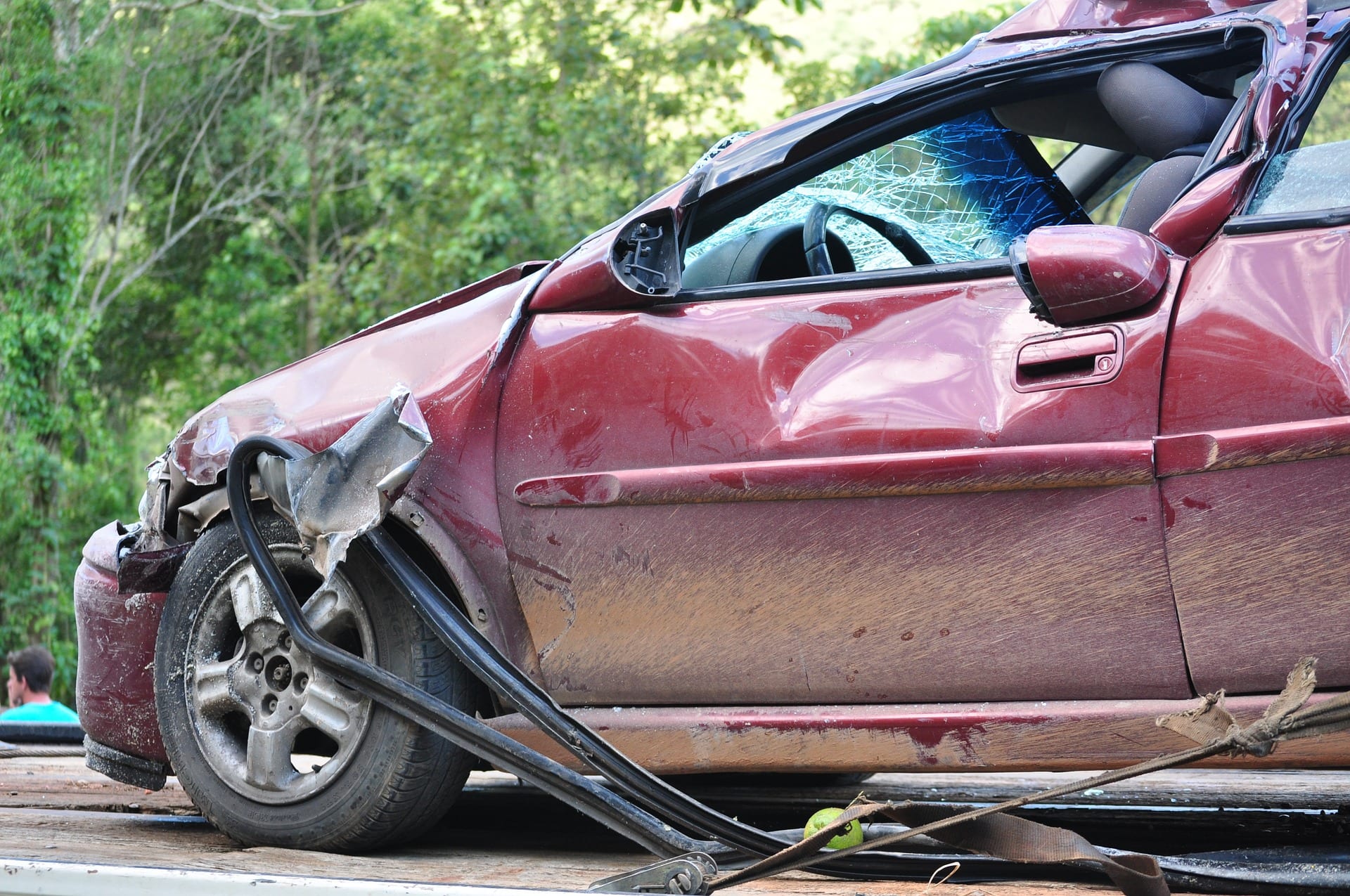
Consistency matters here. Large gaps in treatment, missing repair records, or vague timelines can give the city room to question whether the pothole caused the full extent of the damage. A clean paper trail is much harder to dismiss as speculation or routine wear and tear.
The Procedural Side Of A City Claim
Claims involving a city often get harder once the paperwork begins. A driver may have clear damage and strong photos, yet still run into problems over where the claim should be filed, what documents need to be included, and whether the public entity responsible for the road has been identified correctly. Chicago directs some claims through different channels depending on the type and value of the loss, which is why understanding the city’s claims process early can make a real difference.
That is where many pothole cases lose momentum. The city may question causation, argue that the defect was reported too late, or dispute whether the roadway condition was dangerous enough to create liability. Drivers who keep thorough records, match the damage to the exact location, and stay organized from the start are in a better position to respond when the claim draws scrutiny. Those same details often matter in cases where a city may be responsible for a crash, especially when roadway control and prior notice are in dispute.
Why Proof Drives The Outcome
A pothole claim against the city depends on more than visible damage. Drivers who document the scene early, preserve repair and medical records, and tie the defect to the right stretch of road are in a far better position than those relying on memory alone.
Join the conversation!