
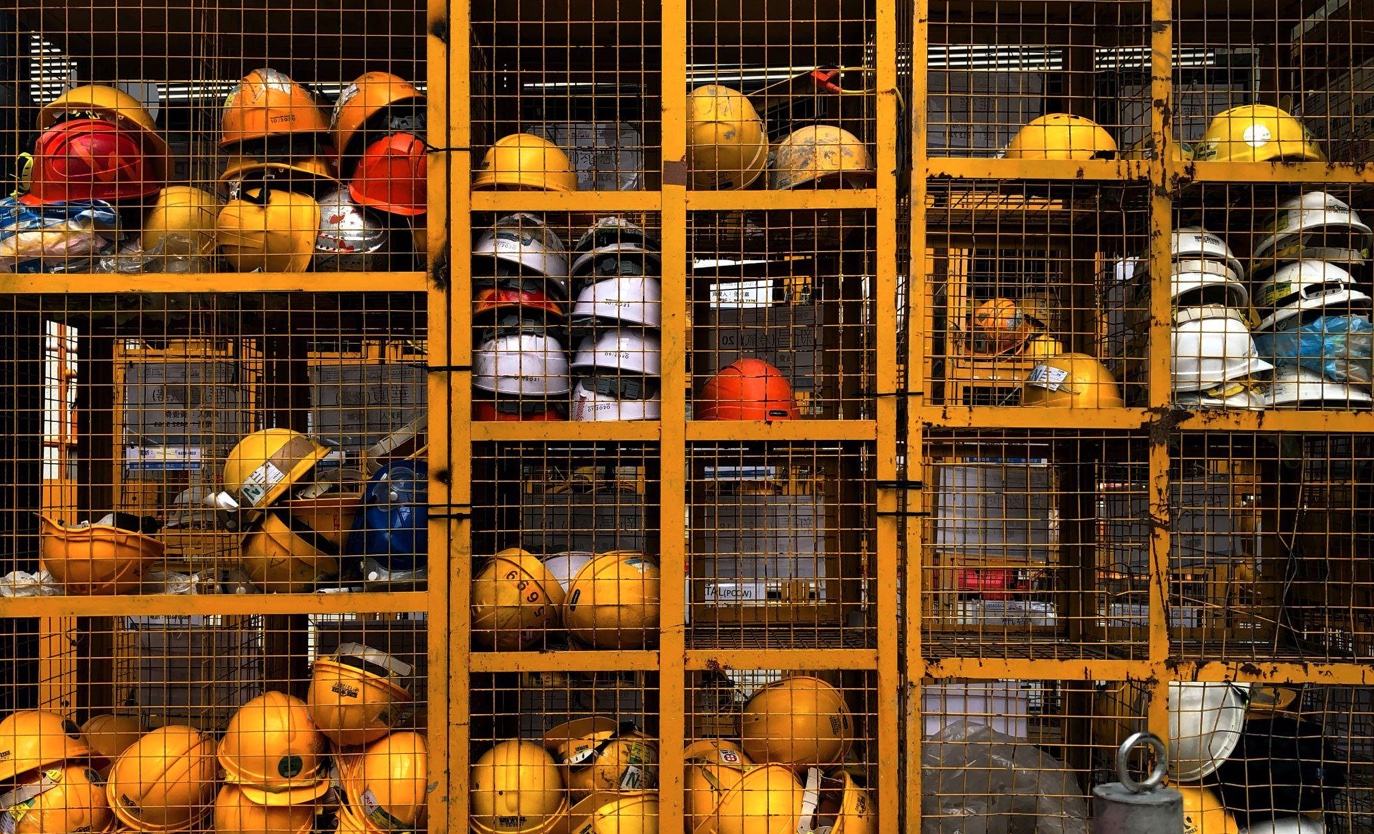
Personal protective equipment is not just about keeping your workers safe. It also ensures your business and reputation stay intact.
Safety on a work site has always been important, and the post-pandemic has left an even bigger mark on the job. It has changed how we perceive personal hygiene and safety, and it has altered how we use personal protective equipment (PPE) and its role in our professional lives.
PPE compliance is a necessity, and it underpins the safety of employees across all industries in Australia. Compliance is mandatory for employees in high-risk areas in particular, and if you’re a business owner, failing to meet this criterion or providing ineffective gear to your workers carries significant liability.
If you’re unaware of the potential penalties that may be incurred if you fail to comply with PPE law, this article is for you.
The Role Of PPE Compliance In The Australian Workplace
Australian workplace health and security standards are reflected in the model, with WHS rules 36, 44, and 45 serving as examples of requirements for PSA compliance. Regulations specify which personal protective equipment is required for employees to wear while working in the workplace.
It also includes proper PPE usage training, use and fit of the PPE gear, and evaluating its effectiveness on practical grounds.
It’s compulsory for employees working with PPE to adhere to its instructions and report any damage and defective items. Section 46 of the Model Work (WHS) provides a reason for why employers may face disciplinary actions against employees who do not wear personal protective equipment (PSA) or who are subject to abuse.
Any visitors on the field for PPE are also advised to wear the equipment and follow the training guidelines set by the workplace under specific regulations 47 of the WHS regulations. This is to ensure that everyone on the grounds is following the workplace safety rules.
Legal Liabilities For Non-Complying Employers
Employees are responsible for ensuring the safety of their workplace and safeguarding wells. Non-compliance with Personal Protective Equipment (PSA) regulations can result in severe legal penalties.
According to the Work Health and Safety Act 2011, employers need to give appropriate PPE to their workers for free. Here are some tips for employers to ensure you’re on the right track when it comes to PPE to avoid legal action:
- Prepare the necessary equipment and identify potential hazards early to prevent accidents.
- Employers must provide extra protective gear and safety measures as required.
- High-quality, consistent public service announcements (PSAs) are crucial in the construction sector.
- Understanding the importance of PSA is crucial, and legal consequences can be significant if proper precautions aren’t taken. Providing your staff with PPE kits is one of the smartest steps you can take to protect both their safety and your reputation.
Penalties for Non-Compliance
According to Safe Work Australia, the following penalties may apply:
· For Category 1 offences (reckless conduct endangering life or causing serious injury), penalties can reach up to $2.3 million for corporations, $1.15m for individuals, or $11.5 million for a body corporate.
· For Category 2 offences (failure to comply with health and safety duties exposing others to risk), penalties can reach up to $464,000 for corporations, $232,000 for individuals, and $2.34 for a body corporate.
· For Category 3 offences (failure to comply with health and safety duties), penalties can reach up to $155,000 for corporations, $78,000 for individuals, and $776,000 for a body corporate.
What Are The High-Risk Industries Where PPE Is Mandatory?
Some industries have a higher risk of hazards associated with fieldwork. Employers conducting business in these sectors must adhere to the PPE regulations and non-negotiable parameters.
Some of these industries include:
Construction
On top of the pyramid are construction sites. It’s one of those non-negotiable sectors where compliance with PPE regulations is mandatory; for instance, providing helmets, face masks, and hearing protection gear is a must.
Healthcare
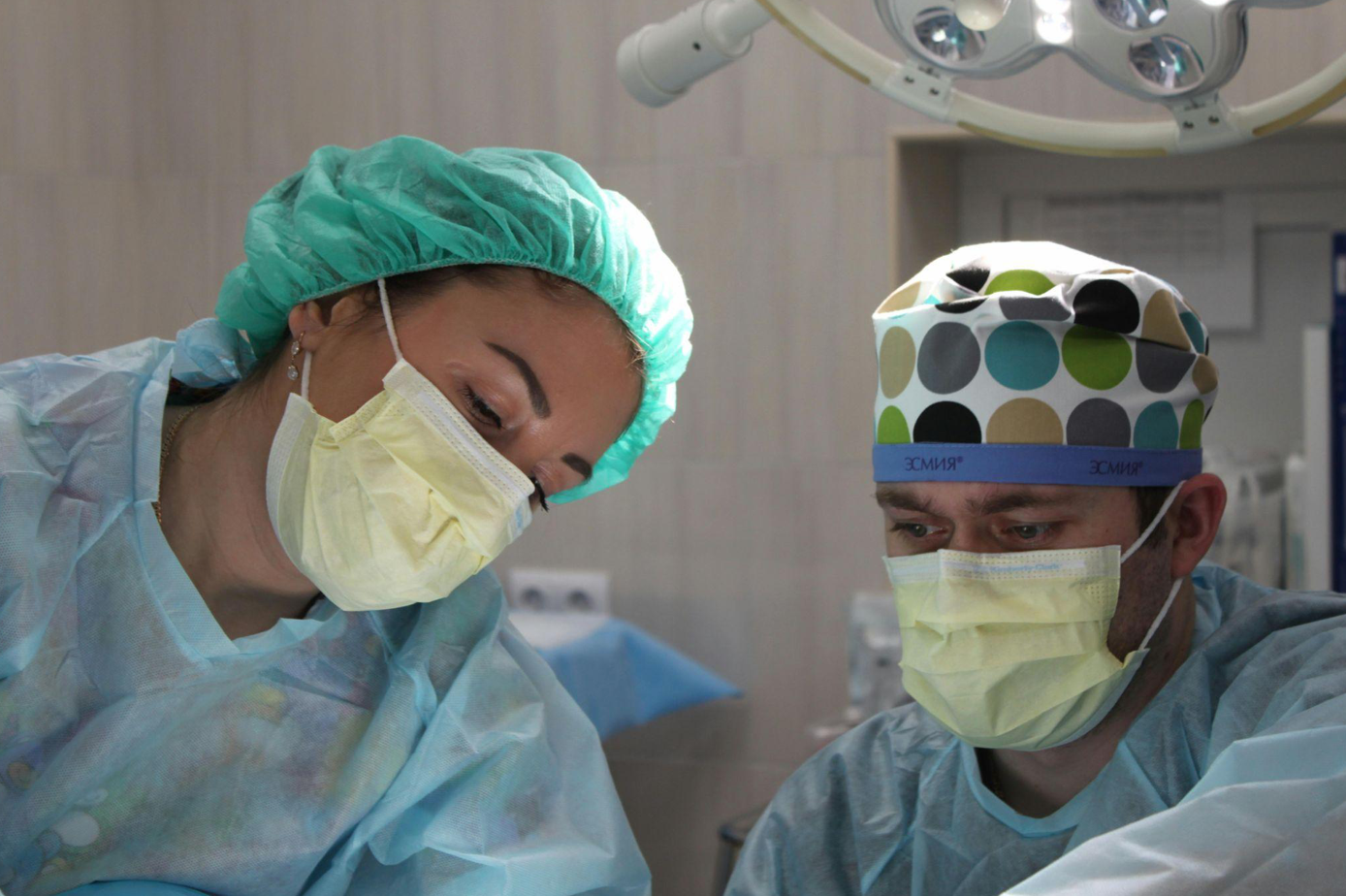
Clinical laboratories and hospitals (both government and private) are required to provide sterilised gear and follow PPE regulations, especially after the pandemic. There is no room for mistakes, considering the staff and governing bodies are professionals.
Mining
Respiratory equipment, protective footwear, and sun protection are among the key personal protective equipment (PPE) requirements in the mining industry. This industry requires a lot of workforce and physical strength, and as such, there is a high risk of accidents, making it another field for mandatory personal protective equipment (PPE) regulations.
Personal protective equipment is not just about keeping your workers safe. It also ensures your business and reputation stay intact. Understanding the liabilities and risks associated with non-compliance with PPE in Australia is essential for business owners. If you don’t, you’re not only risking the safety of your workers, you’re also putting yourself at risk of high-priced legal implications.
Join the conversation!