

Prenatal lead exposure linked to poorer memory and thinking decades later.
Prenatal lead exposure may have effects that last far longer than once believed, according to new research following people into their early 60s. A study released on February 18, 2026, reports that women who were exposed to higher levels of lead during pregnancy performed worse on later-life tests of memory and thinking skills. The findings were published in Neurology, the medical journal of the American Academy of Neurology. Researchers emphasized that the results show a link, not proof that lead directly caused the changes in thinking ability.
Lead exposure was far more common in the United States during the middle of the last century, especially from gasoline, paint, plumbing, and industrial pollution. Children born in the 1960s, 1970s, and early 1980s are now reaching an age when natural changes in memory and thinking often become more noticeable. Scientists have increasingly questioned whether toxic exposures early in life could shape brain health decades later.
The research was led by Ruby C. Hickman, PhD, who conducted the work while affiliated with the Harvard T.H. Chan School of Public Health. The study used a rare and unusual source of information: baby teeth. From 1958 through 1972, families in the St. Louis, Missouri area donated their children’s baby teeth as part of a separate project focused on radiation exposure. Those teeth were carefully stored for decades.
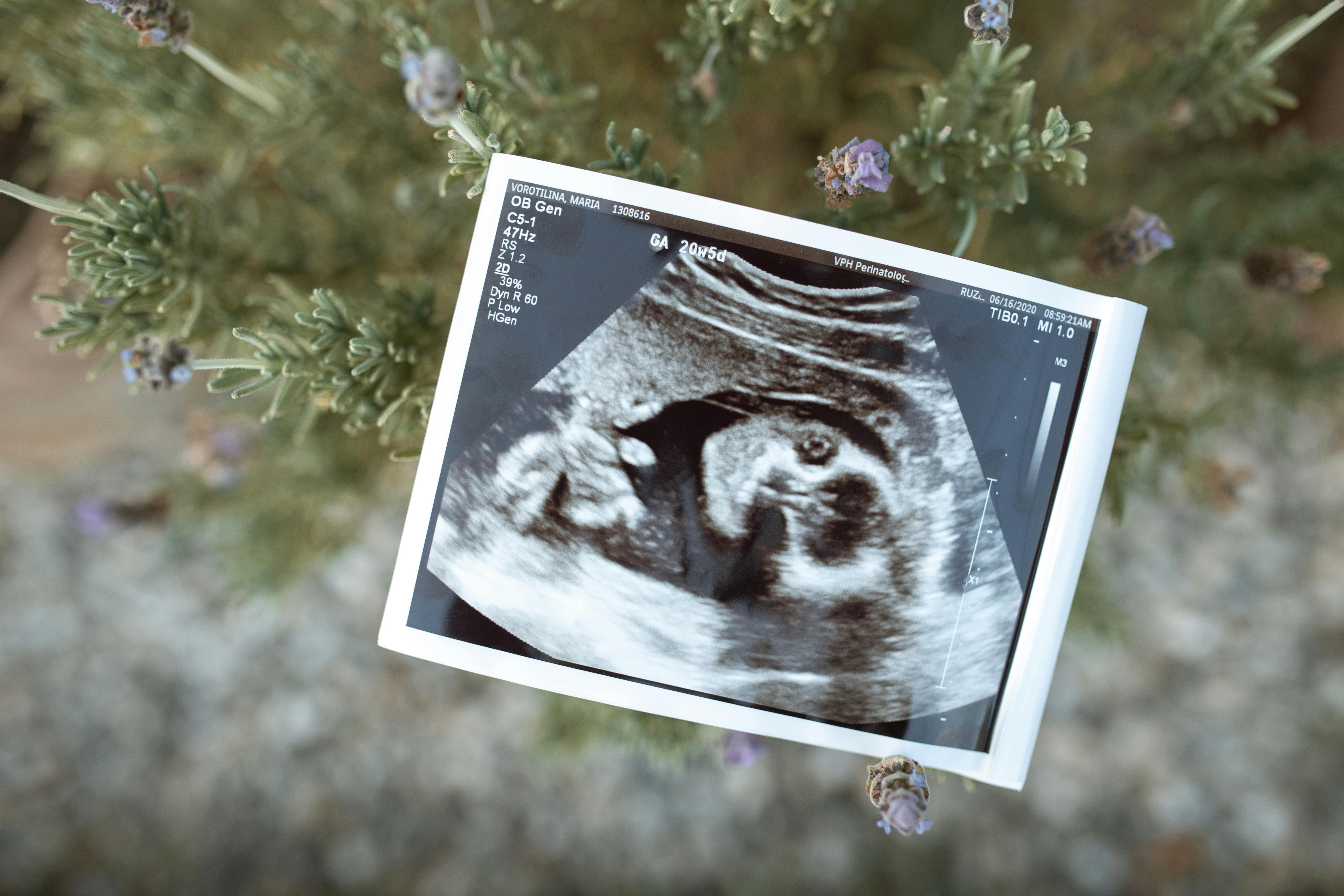
Because teeth absorb lead as they form, they act like a record of exposure during pregnancy and early childhood. Researchers were able to analyze the stored teeth to estimate how much lead participants encountered before birth and shortly after. The study team then tracked down the original donors more than 60 years later and invited them to complete memory and thinking tests using their home computers or other devices.
A total of 715 people were located and took part in the testing. Participants were an average age of 62 at the time of assessment. When researchers analyzed the teeth, they found that the middle level of lead concentration was 1.34 parts per million. For women in the study, higher lead levels during the second trimester of pregnancy were linked to lower scores on tests of thinking and memory later in life. Each one-part-per-million increase in lead was tied to a drop equal to what researchers observed with about three additional years of aging in their data.
The analysis took into account several factors that can influence cognitive test results, including parental education levels and childhood financial conditions. Even after adjusting for these influences, the association between prenatal lead exposure and later cognitive performance in women remained. The same clear pattern was not seen in male participants, a difference that researchers noted but could not fully explain.
Although lead exposure has dropped sharply in the United States over the past few decades, the study highlights that it has not disappeared. Events such as the Flint, Michigan water crisis and recent reports of lead found in cinnamon applesauce products sold to young children show that exposure risks still exist. Globally, lead remains a serious concern in many regions due to older infrastructure, unsafe manufacturing practices, and limited regulation.
The researchers also acknowledged limits to their findings. Most participants were white and grew up in households with higher education levels and stronger economic resources. Because of this, the results may not reflect what would be seen in more diverse or disadvantaged populations, where lead exposure has often been higher and more persistent.
Funding for the prenatal lead exposure study came from the National Institutes of Health and the National Institute of Environmental Health Sciences. While more research is needed to understand why women appeared more affected and how early exposure shapes the aging brain, the findings add to growing evidence that the environment before birth can influence health outcomes many decades later. The study suggests that protecting pregnant individuals from toxic exposures may not only benefit children but also shape brain health across an entire lifetime.
Sources:
Prenatal lead exposure linked to lower cognition six decades later
Join the conversation!