
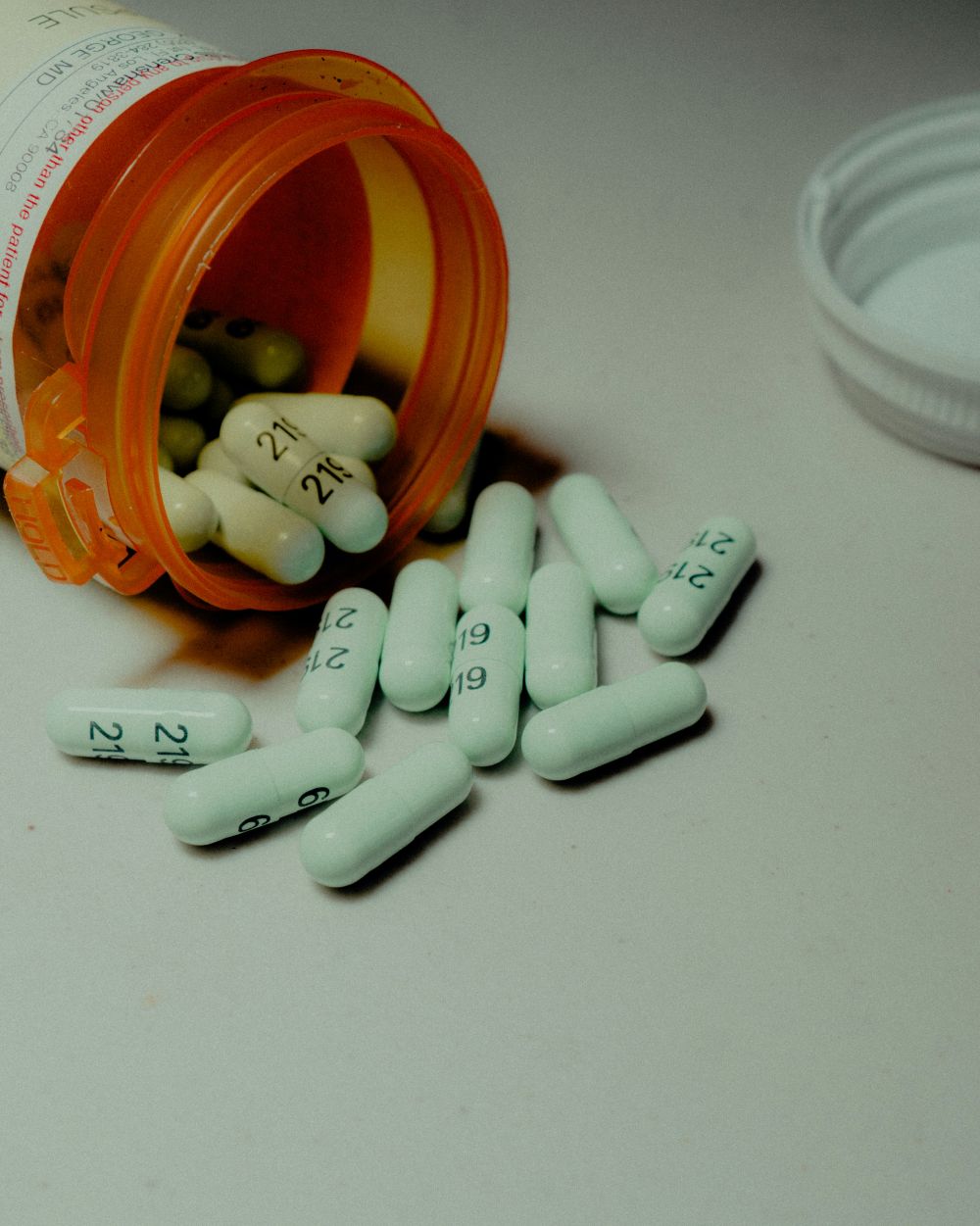
Judge’s approval moves Purdue settlement closer to long-awaited resolution.
A federal bankruptcy judge signaled that a long and bitter legal fight involving Purdue Pharma is nearing its end, marking another turning point in a struggle that has stretched across years and drawn in families, states, and local governments. The judge said court approval is coming for a settlement that would direct money to victims of opioid addiction while permanently removing the Sackler family from any future control of the company. The court approval came after a long list of hearings, emotional testimony, and sharply different views about how justice should look in a crisis tied to hundreds of thousands of deaths across the country.
The planned settlement calls for the Sackler family to pay up to $7 billion over 15 years. The sum replaces an earlier deal rejected by the Supreme Court, which took issue with protections that would have blocked lawsuits against family members. Under the new structure, anyone who chooses not to join the settlement may still bring legal action, though the family’s wealth, partly shielded in offshore trusts, may make such efforts hard to pursue.
The case has been described as one of the most tangled bankruptcy efforts in recent memory. It grew out of a wave of lawsuits filed by states, counties, cities, tribes, and individuals. These suits claimed that Purdue played a major part in fueling widespread addiction through the marketing of its well-known pain medication. Although the company has denied wrongdoing, the litigation has brought forward documents, statements, and a record that shows a long stretch of aggressive sales tactics and rising concerns within the medical world.

The settlement now drawing support has faced far less pushback than earlier versions. More than 54,000 people with personal claims cast votes on the plan, and only a small fraction objected. Many who spoke in court agreed that the arrangement is imperfect but saw it as the only realistic route to getting help to families harmed by addiction. Others voiced disappointment, insisting that the deal falls short both financially and morally. Several speakers in the courtroom called for criminal charges, though the judge reminded them that the bankruptcy process cannot decide such matters.
The distribution of funds is set to work in several ways. Roughly $850 million will go directly to individuals, including money marked for children born with withdrawal symptoms. Payouts are expected next year and will vary, with those who used Purdue products for longer periods receiving larger amounts. Even so, many families argue the payments barely scratch the surface of the losses they face after years of addiction or the death of loved ones.
State and local governments will receive most of the settlement money following court approval, building on earlier agreements with other companies that reached a combined total of about $50 billion. These funds are intended to support treatment, prevention, and recovery programs, though no national system exists to monitor how each community spends the money.
Under the settlement, Purdue would be renamed Knoa Pharma and transformed into a company with new leadership and a mission centered on fighting addiction. The Sackler family would surrender ownership and be barred from any business tied to opioids in the future. Company documents, including many normally protected by legal privilege, would be opened to the public so that a full record of decisions and communications becomes available.
Though the settlement cannot undo the damage caused across so many towns and families, supporters hope it will at least close one long chapter in a crisis that continues to shape lives nationwide.
Sources:
Judge says he’ll approve deal with Purdue Pharma, Sackler family members
Join the conversation!