
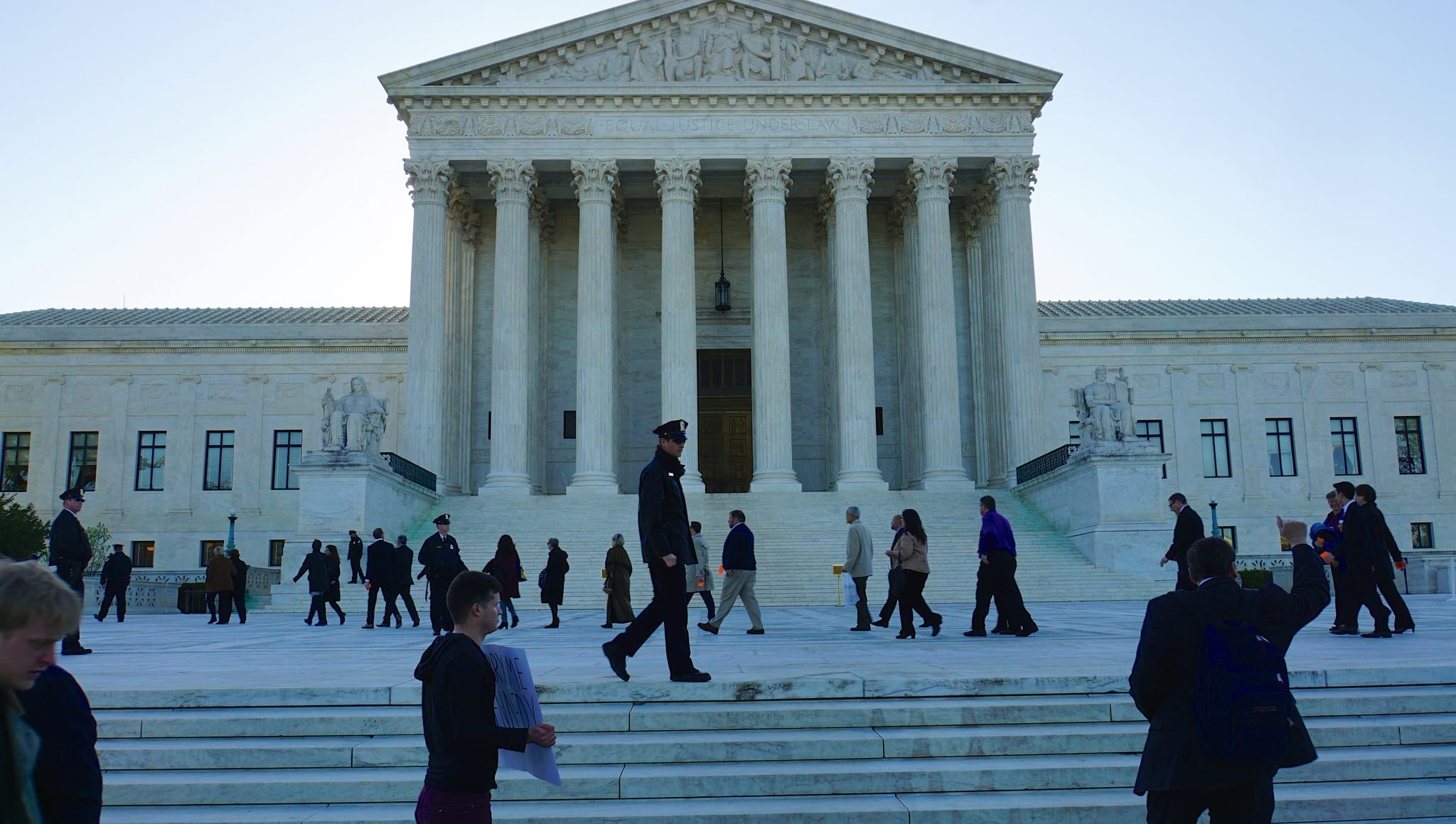
For crash victims and injury attorneys alike (whether negotiating a settlement or preparing for trial), the Supreme Court’s recently released decisions aren’t background noise. They’re part of the legal landscape shaping who pays, how much, and why.
Let’s be honest: most of us think the United States Supreme Court lives in a distant bubble, way up there, untouchable, like an archaeologist digging in dusty scrolls.
But that bubble bursts when nine judges in black robes make a decision that ripples into daily life. It can change how accident cases play out, how a Los Angeles metro accident lawyer plans their strategy, and how everyday people get the justice they deserve after a crash.
In 2026, the Court hasn’t been quiet. They’ve issued big rulings that will change how liability, rights, and responsibility are understood in every courtroom.
Let’s break down the most consequential decisions.
Supreme Court Says “Conversion Therapy” Ban Is Unconstitutional
Most people don’t link the word “conversion therapy” with car accidents, but this ruling matters because it redefines what counts as protected speech.
In Chiles v. Salazar, the Supreme Court ruled 8-1 that Colorado’s law banning “conversion therapy” for minors likely violates free speech under the First Amendment. The case focused on whether talking with a client (even about controversial or harmful subjects) is speech that the government can’t ban outright.
Justice Neil Gorsuch wrote for the Court that the law “regulates the content of speech based on viewpoint,” and therefore needs the highest level of judicial scrutiny from lower courts.
Why This Matters to Personal Injury Law
This isn’t just about LGBTQ+ counseling. It’s about how far the government can go to regulate behavior versus speech. If courts treat conduct that causes harm as mere “speech,” it makes it harder to regulate or prevent harm before it happens.
That has a direct impact on cases involving dangerous conduct, like trucking companies ignoring safety, or municipalities failing to maintain roads. If the legal trend favors protecting speech and expression in broad ways, then pushing back against powerful defendants in a Los Angeles truck accident lawsuit becomes even more about proving concrete harm, not just theoretical risk.
Supreme Court Protects Internet Providers from Massive Liability — & That Has Broader Ripples
In another major decision, the Supreme Court unanimously ruled in Cox Communications, Inc. v. Sony Music Entertainment that internet service providers aren’t automatically liable for copyright infringement by users unless they intended to encourage that misconduct.
In other words, just providing a service (even if some people misuse it) isn’t enough to hold a company liable for every abuse.
This ruling overturned a lower court’s billion-dollar verdict and tightened the standards for what counts as contributory liability.
How This Ripples Into Crash Law
If the Supreme Court sets a high bar for liability in copyright law, requiring intent, not just awareness, there’s a logical spillover into other liability debates. Defense attorneys are already trying to use similar logic: “We didn’t intend harm” rather than “We failed to prevent harm.”
This matters because in crash cases, proving negligence often hinges on showing that the defendant should have known better and failed to act accordingly. A Supreme Court trend that favors limiting liability can embolden insurance companies and big corporate defendants to raise new defenses in traffic injury cases.
Other Supreme Court Moves You Should Know
Beyond these headline rulings, the Court’s behavior this term has shown some rough patterns:
1. The Court Is Guarding Speech and Limiting Government Regulation
Whether it’s professional counseling or online conduct, the justices are showing a tendency to protect speech, even when public health groups and scientists warn of harm. That shapes how future laws on safety and prevention are judged.
2. The Court Is Narrowing Liability Standards
The Cox v. Sony decision makes it clearer that liability isn’t automatic — it requires more: intent or active inducement. That’s a trend that defense lawyers in personal injury suits will try to use.
3. States Still Hold Key Power for Personal Injury Protections
Because the Supreme Court is trimming federal authority in some areas, states like California become the real stage for protecting injured victims. That’s good news if you have a savvy Los Angeles metro accident lawyer who knows state law inside and out.
Real Talk: What This Means for Crash Victims
So why should someone hurt in a wreck, or someone thinking about a Los Angeles truck accident lawsuit, care about justices in Washington?
Here’s the truth:
- Liability is getting harder to pin down. If courts favor limiting how and when you can hold someone responsible, crash victims need even stronger evidence and a smart strategy.
- Defendants will argue technical defenses. “No intent to harm,” “speech protected by the First Amendment,” and similar arguments are already being floated in other areas, and they will seep into injury defense playbooks.
- State court strategy matters more. When the Supreme Court steps back from regulating safety and harm, state laws (like California’s negligence standards) become the real weapons for injury lawyers.
In plain words: the higher court is reshaping the battlefield. A strong lawyer in Los Angeles doesn’t just know local roads. They understand national trends that shape how judges and juries think about fault.

How Your Lawyer Should Think About This
Every good lawyer, especially those who handle big truck crash claims, needs to be thinking about three layers:
- State Law: What does California require to prove negligence, liability, and damages?
- Defense Tactics: Are defense lawyers borrowing Supreme Court logic to argue for limited liability?
- Public Policy Trends: What does the Court’s preference for broad protections mean for future safety regulations?
If your attorney isn’t looking at trends from cases like Cox or Chiles, and how they might be used or misused in defense arguments, then they’re not thinking big enough.
Final Thought: The Supreme Court Is Quiet, But Its Decisions Roar
You might not hear the word “Supreme Court” and think about car crashes on the 405, slip-and-falls in Malibu, or a client going up against a trucking giant. But for a Malibu accident and injury attorney, these connections are very real.
But here’s the reality: Every ruling that shifts how liability is understood … every precedent that tightens what counts as harm … makes a real difference in how justice is served in everyday courtrooms.
For crash victims and injury attorneys alike (whether negotiating a settlement or preparing for trial), the Supreme Court’s recently released decisions aren’t background noise. They’re part of the legal landscape shaping who pays, how much, and why.
If your next case is a Los Angeles truck accident lawsuit, you’d better be ready not just for the defendant, but for the legal logic they’ll bring straight from the nation’s highest court.
FAQs: Supreme Court Rulings & Accident Law
Q1: How do Supreme Court decisions affect accident lawsuits?
A: Think of it like sudden traffic on the freeway. These rulings shift liability rules, change how negligence is judged, and give defense lawyers new angles. Your case strategy has to adapt.
Q2: Why should I care about Supreme Court rulings if I’m hiring a lawyer?
A: What happens in Washington lands in local courts. National trends influence how judges interpret responsibility, and a smart lawyer knows how to use (or counter) them.
Q3: Can a local injury attorney use Supreme Court cases in my claim?
A: Yes. Even if a case seems unrelated, the Court’s reasoning affects how judges decide what counts as harm and responsibility. That’s real leverage in court.
Q4: Do Supreme Court rulings make it harder to win personal injury cases?
A: Sometimes. When the Court favors “intent over accident” or narrows liability, your lawyer has to bring sharper evidence and a stronger story.
Q5: Are companies using Supreme Court trends to limit responsibility?
A: Often. Big companies can cite rulings to argue they didn’t intend harm. That’s why a strong legal strategy is more important than ever.
Q6: Will federal rulings affect local crash or injury cases?
A: Yes. When federal oversight pulls back, state law becomes the main way to protect accident victims. That’s where local expertise really matters.
Q7: How do I find a lawyer who understands these trends?
A: Look for someone who tracks both national and state rulings and knows how they affect real-world cases. Experience and strategy matter more than fancy titles.
Join the conversation!