

The best lawyers today are the ones who see a good settlement as a major win rather than a backup plan.
Almost every attorney, whatever practice area they handle or field they work in, will eventually face the same pivotal decision: whether to settle the case or push it to trial. Today’s legal landscape is very different from what it once was in the past, with cases now being settled through mutual agreement. There has also been a documented decline in civil trials, which means that only a small fraction of cases actually proceed all the way to a jury. In reality, settlements are no longer a sign of weakness in this modern landscape but rather a carefully planned and successful outcome. These days, trial lawyers need to be strong advocates in court, while also being skilled risk managers who know how to guide a client through tough decisions.
Understanding Why People Make the Wrong Choice
It is a well-known fact that advising a client on a settlement offer is primarily about weighing the chances of success. But there are times when both the clients and the lawyers have been so overconfident that it has resulted in costly mistakes. Instead of falling for the “optimism bias” where emotions make most of the decisions, it’s best to look at hard and unbiased research data like empirical studies, historical case outcomes, and the cold, hard math of money involved.
A study comparing thousands of lawsuits found that many personal injury plaintiffs who rejected settlement offers ended up recovering less money at trial than they could have if they’d encouraged their clients to accept the original offer. The results of these findings highlight how unpredictable litigation can actually be and why it’s so important for clients and attorneys to carefully evaluate the risks and rewards of going to trial. Instead of relying on instincts or emotions, lawsuits should be handled more objectively with careful planning, thorough preparation, and realistic assessments of the actual strengths and weaknesses of the case.
The Real Cost of the Trial Tax
We all know that trials are very expensive. Often referred to as the “trial tax”, things like expert witness fees, deposition costs, court expenses, trial preparation, and time required to litigate the case are all taken out of the client’s net reward before they receive any compensation. That’s why it’s so important to look past the headline figure of a jury verdict and, instead, evaluate what the client will actually be able to receive after everything is factored in. In many cases, a carefully crafted settlement could provide a better financial outcome than a larger verdict that includes significant costs and a lot of uncertainty.
The Human Elements
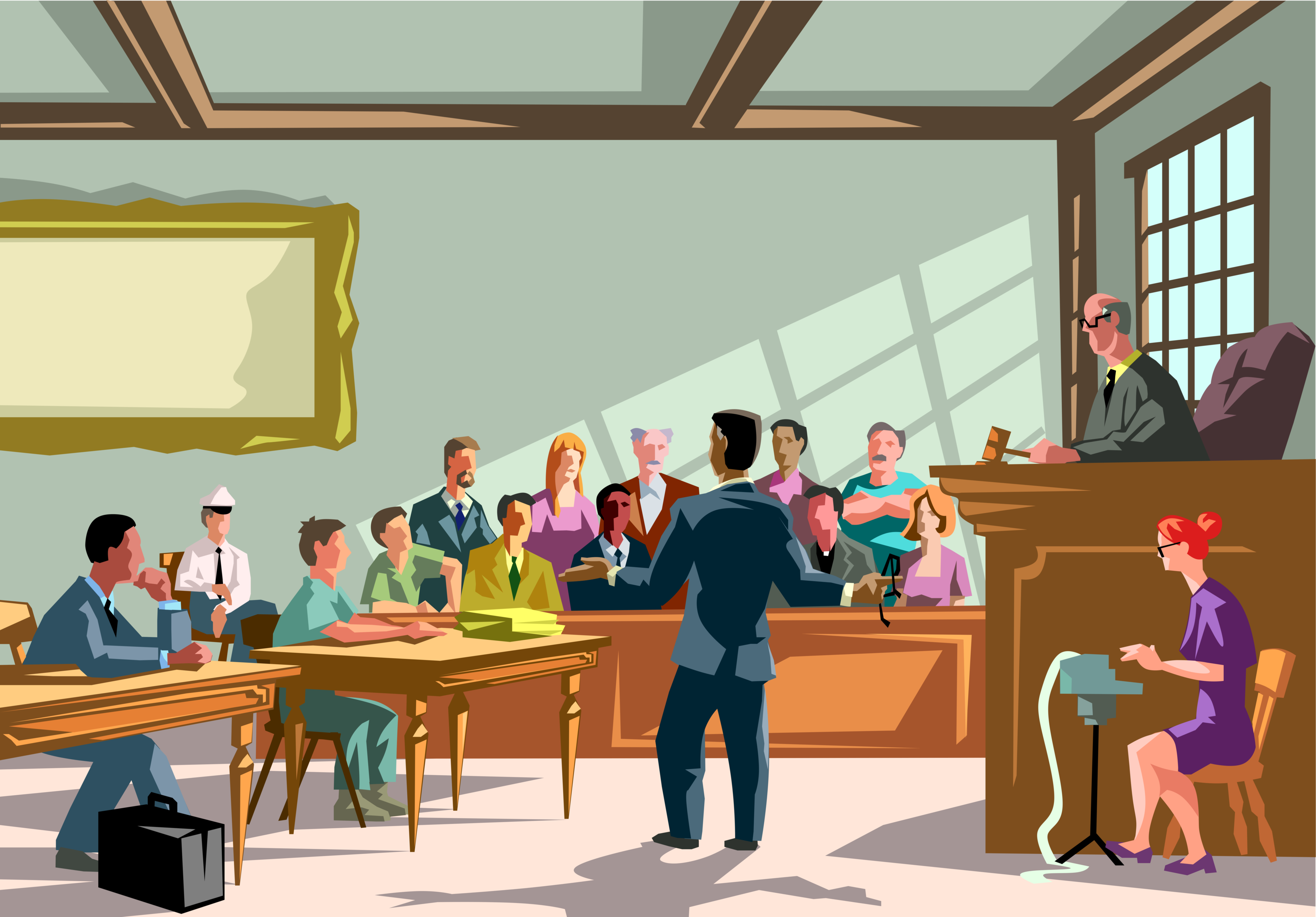
While the math is important, human factors can completely change the game. First, juries are always unpredictable. Putting a life-changing decision in the hands of twelve strangers is a gamble because they often compromise and split the difference on who is at fault, leaving nobody happy. How a witness behaves under pressure is also hard to predict. A nervous or angry client can hurt their own case during cross-examination, which is when the opposing lawyer questions them on the stand. Additionally, location matters. Jurors in small, conservative towns often view lawsuits and corporate responsibility very differently from jurors in big cities.
Because of these unpredictable elements, managing what the client expects is very important. While the lawyer decides the legal steps of the lawsuit, the client has the absolute right to decide whether to accept a settlement or go to court. Showing the client a simple worksheet that lays out the math side-by-side helps explain complex legal issues in plain English, empowering them to make a rational, confident decision.
Trying the Case to Settle It
One of the biggest truths in modern litigation is that the most secure settlements are earned through strategic leverage, instead of negotiations. Large companies and insurance companies usually choose to settle because of the uncertainties of going to court. However, if a lawyer is known for always settling rather than actually bringing the case to court, the other side becomes more likely to offer very little money. This is why every case should be treated as if a trial is imminent, whether the resolution results in a settlement or litigation. Strong preparation creates leverage for the attorney and guarantees they are making each decision based on the facts of the case instead of pressure or uncertainty. When an attorney is fully prepared to go to trial, they are in a better position to go after the best outcome for their client, whether that’s a settlement agreement or a courtroom verdict.
Advocacy That Prioritizes the Client
The courtroom is still a vital place to hold wrongdoers accountable, and sometimes a trial is the only way to get justice. But, as counselors, our main job is to protect our clients’ physical, emotional, and financial well-being. The best lawyers today are the ones who see a good settlement as a major win rather than a backup plan. By combining smart risk planning with supportive client counseling, we can guide the families we represent to the secure, maximum recovery they deserve.
Join the conversation!