
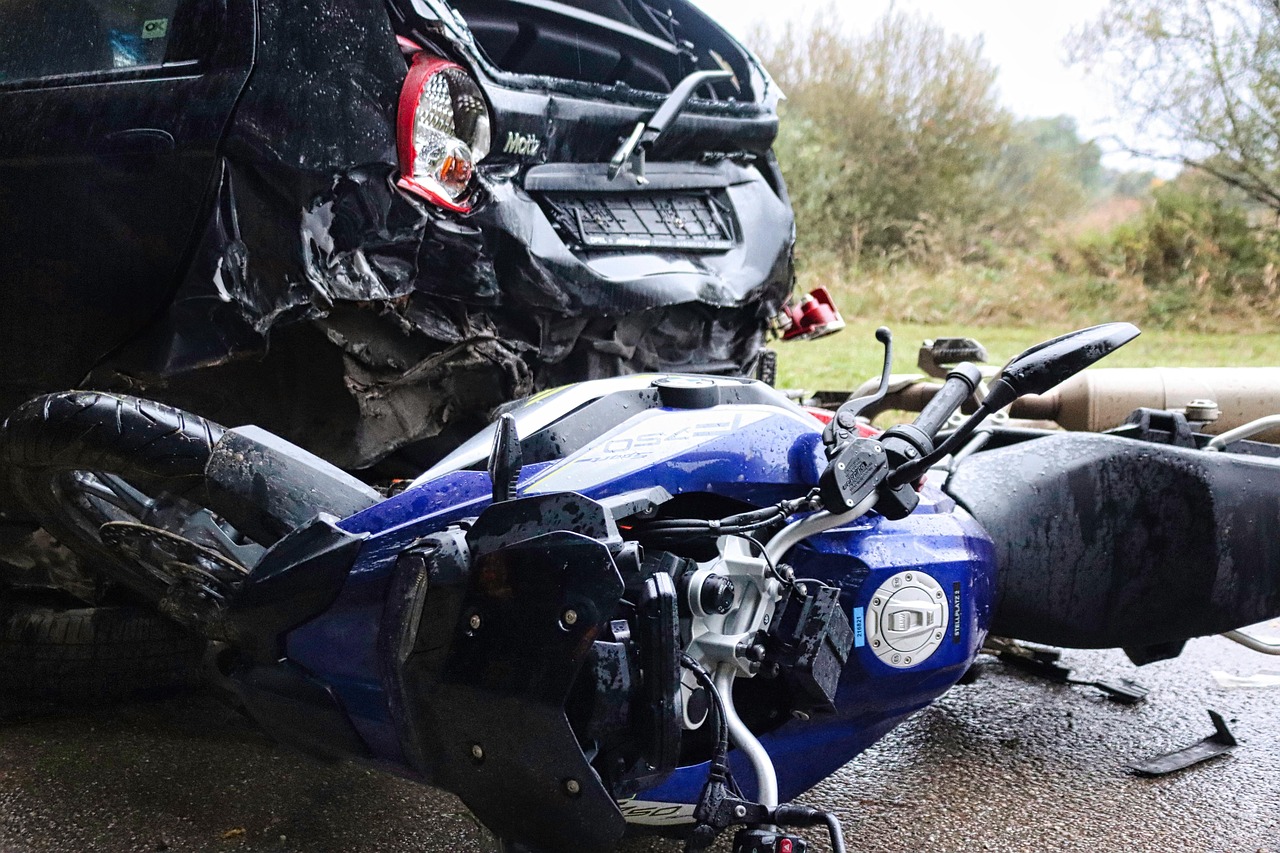
When relevant footage may exist, prompt identification of cameras and preservation of available information can help protect evidence that may later become important.
When a motorcycle collision occurs, an injured rider may face medical expenses, disputed liability, and questions about how the crash actually happened. A motorcycle accident lawyer may examine more than the police report when evaluating a potential claim, particularly when surveillance footage or other digital evidence could clarify what happened. Cameras outside businesses, traffic intersections, parking facilities, and nearby residences can sometimes capture critical moments before, during, or after a collision. However, that evidence may not remain available indefinitely.
Surveillance systems frequently operate through automatic recording and storage processes. Once available storage is filled, older recordings may be overwritten with newer footage. This creates an important evidence-preservation issue when a motorcycle crash is not investigated until days or weeks after it occurs.
Why Surveillance Footage Can Matter
Motorcycle collisions can happen within seconds, and witnesses may remember events differently. Video footage can provide information about vehicle positions, traffic signals, lane movements, speed, and the sequence of events leading to a crash.
For example, footage from a nearby business may show a vehicle turning across a motorcycle’s path. A traffic camera could establish the status of a traffic signal. A parking-lot camera might capture a vehicle entering or leaving an area immediately before or after the collision.
Video can also provide information that differs from statements made by drivers or witnesses. When accounts conflict, an objective recording may help investigators determine which version is consistent with the available evidence.
The existence of a camera, however, does not necessarily mean that useful footage is still available. Retention policies and storage limitations can result in recordings being deleted automatically.
How Automatic Overwriting Creates Problems
Many surveillance systems continuously record and retain footage for a limited period. Once the storage capacity is reached, older recordings may be replaced by newer material.
The length of time footage remains available varies considerably. Some systems may retain recordings for only a short period, while others may store them for longer depending on the equipment, storage capacity, business policies, and settings.
This can create a problem for an injured rider who does not immediately know that a camera captured the crash. By the time the potential importance of the recording becomes apparent, the footage may already have been overwritten.
The loss of a recording does not automatically establish wrongdoing. Whether the disappearance of evidence has legal consequences depends on the circumstances and the applicable law.
Understanding Spoliation of Evidence
Spoliation generally concerns the destruction, alteration, or loss of potentially relevant evidence when a legal duty to preserve that evidence exists.
The rules governing spoliation vary between jurisdictions. Courts may consider whether litigation was reasonably anticipated, whether the person or organization had control over the evidence, whether the evidence was intentionally destroyed, and whether the loss caused meaningful prejudice to another party.
Not every deleted surveillance recording amounts to spoliation. A business that routinely overwrites recordings before learning about an accident may be treated differently from a party that knows relevant litigation is reasonably foreseeable and deliberately destroys evidence afterward.
For that reason, the circumstances surrounding the disappearance of footage can be just as important as the fact that the recording is no longer available.
Why Early Evidence Preservation Matters
After a serious motorcycle crash, identifying nearby cameras can be an important investigative step. Potential sources may include businesses, apartment buildings, traffic intersections, gas stations, parking facilities, schools, and private residences.
A preservation request may notify the person or organization controlling a recording system that specific footage could be relevant to a legal dispute. Such a request may identify the approximate date, time, and location of the accident and ask that potentially relevant recordings be preserved.
The exact legal requirements and effect of a preservation request differ by jurisdiction. A request also cannot guarantee that a recording exists or that the entire event was captured.
Nevertheless, identifying potential sources of evidence quickly can reduce the possibility that useful footage disappears through routine deletion.
What If the Footage Has Already Been Deleted?
The disappearance of surveillance footage does not necessarily prevent an injured rider from pursuing a claim.
Other evidence may help reconstruct the circumstances of the collision. Investigators may consider photographs of the accident scene, vehicle damage, eyewitness accounts, police records, traffic-control information, dashcam recordings, electronic vehicle information, medical records, and physical evidence.
Nearby cameras may also provide indirect evidence. A camera might not capture the impact itself but could show the vehicles shortly before the collision. That information may help establish timing, location, traffic conditions, or vehicle movements.
Other recordings may also exist. A business camera facing one direction may miss the collision while another camera nearby captures part of the event.
Can Lost Evidence Affect Litigation?
Potentially, but the consequences depend on the applicable law and circumstances surrounding the loss.
Courts may consider whether a party had an obligation to preserve the evidence, whether the evidence was intentionally or negligently destroyed, and how significant the missing information would have been to the dispute.
Depending on the jurisdiction and facts, courts may have authority to impose various remedies. These can include evidentiary limitations, instructions to jurors, monetary sanctions, or other measures.
The distinction between routine deletion and deliberate destruction can therefore be significant. A recording automatically overwritten as part of an ordinary storage process may raise different legal questions from evidence destroyed after a party was specifically asked to preserve it.
Digital Evidence Goes Beyond Security Cameras
Surveillance video is only one form of electronic evidence that may be relevant to a motorcycle collision.
Depending on the circumstances, investigators may also consider dashcam footage, vehicle event data, GPS information, photographs, messages, social-media posts, or other electronically stored information.
These sources can potentially help establish timing, location, vehicle movements, or other circumstances surrounding a crash. Their availability, reliability, and admissibility depend on the specific evidence and applicable law.
Because digital information can be overwritten, deleted, or altered, identifying potentially relevant sources early can be important to preserving an accurate record of what occurred.
What Injured Riders Should Consider After a Crash
Someone involved in a motorcycle collision may not immediately know which evidence will become important in a later legal dispute. Several practical steps can help preserve potentially useful information.
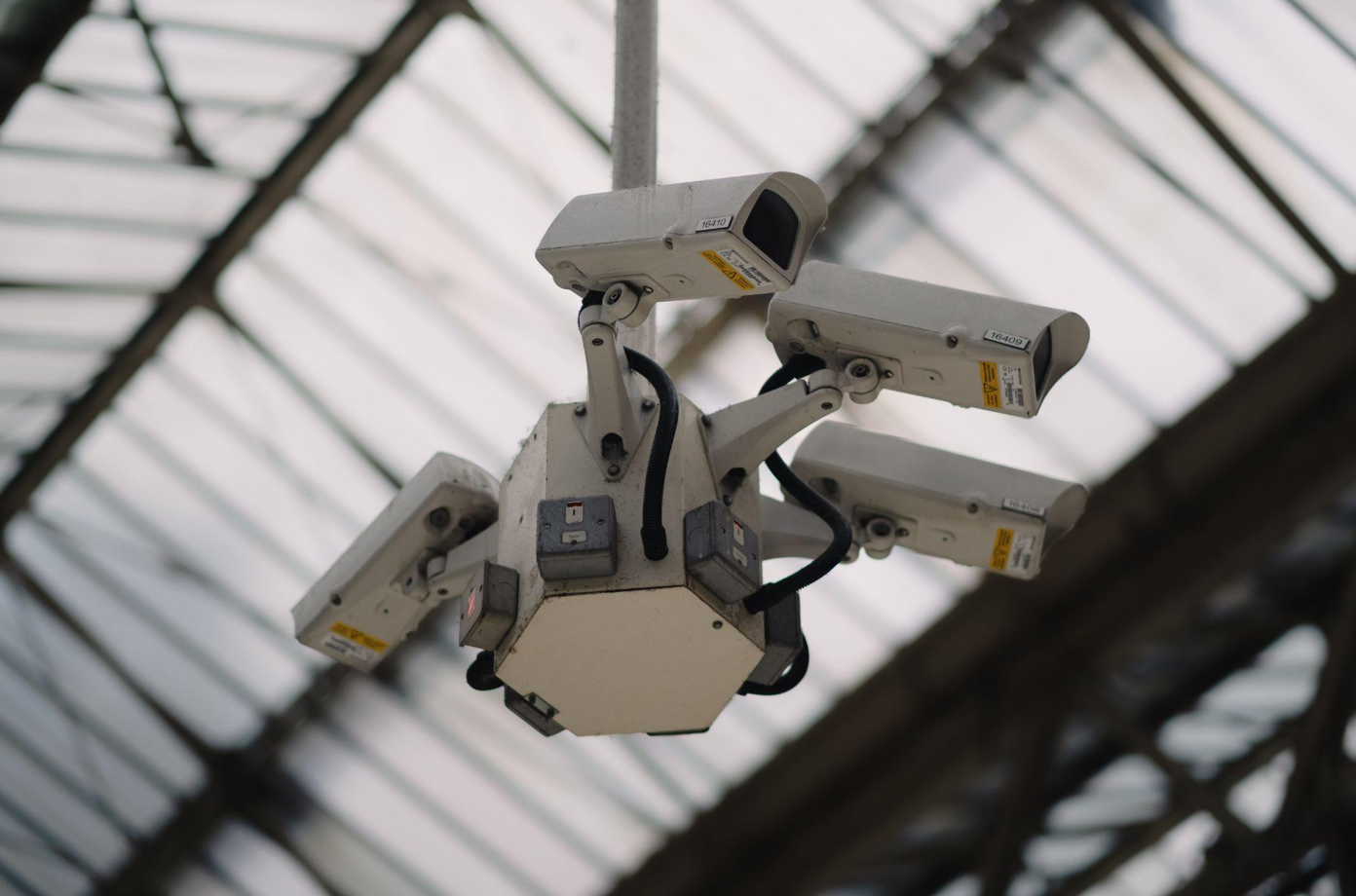
Photographs should be taken of the accident scene, vehicle damage, road conditions, traffic signs, and surrounding area when it is safe and appropriate.
Potential cameras should also be identified. Injured riders or witnesses may note nearby businesses, residences, parking facilities, intersections, or other locations that appear to have surveillance systems.
Relevant photographs, videos, messages, documents, and other records should be preserved rather than deleted. Records concerning medical treatment and accident-related expenses should also be maintained.
Because evidence-preservation rules differ by jurisdiction, obtaining advice about the specific circumstances of a crash can help determine what preservation steps may be appropriate.
Conclusion
Surveillance footage can become important evidence after a motorcycle collision, particularly when drivers or witnesses disagree about how an accident occurred. Yet many recording systems automatically overwrite older material, meaning potentially useful evidence can disappear before the parties understand its significance.
The loss of footage does not automatically establish misconduct or determine liability. Courts generally examine the circumstances surrounding the loss, including whether a duty to preserve the evidence existed and whether its absence caused prejudice.
When relevant footage may exist, prompt identification of cameras and preservation of available information can help protect evidence that may later become important. For injured riders dealing with disputed liability or missing evidence, a motorcycle accident lawyer can evaluate the available facts, explain applicable legal procedures, and determine what options may exist under the law governing the claim.
Join the conversation!