
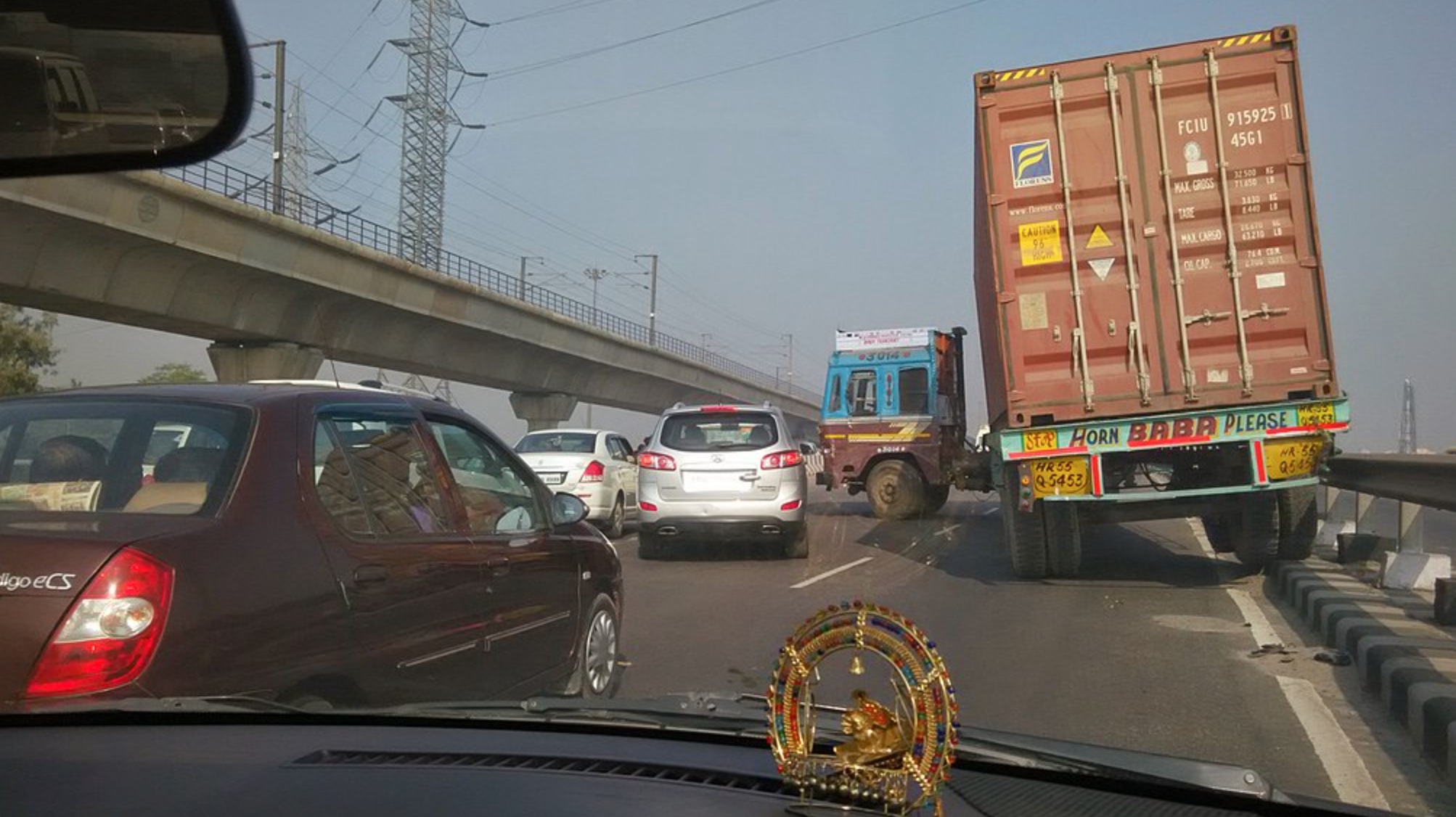
Commercial trucking accidents are rarely simple mistakes made in a vacuum.
When a massive commercial truck jackknifes or collides on the highway, most people immediately point the finger at whoever was behind the wheel. Yet, the mechanics of large vehicle crashes rarely boil down to a single driver’s mistake. Instead, a complex web of corporate entities, ranging from dispatchers and cargo loaders to maintenance shops and parts manufacturers, often shares the blame.
Sorting out commercial truck accident liability requires looking far beyond the cab of the truck. Behind every semi on the interstate sits an entire supply chain of management teams and operational policies that dictate how safely that vehicle travels.
Understanding who actually holds responsibility when tragedy strikes is essential for anyone trying to make sense of the aftermath. Legally speaking, this is known as shared liability, and it completely shifts how fault, insurance claims, and compensation play out in the freight sector.
What Is Shared Liability in Commercial Trucking?
Shared liability simply means that legal fault for a wreck isn’t dumped entirely onto one person. Instead, courts and investigators distribute accountability across multiple parties depending on who contributed to the crash.
Unlike a fender-bender between two commuters, commercial truck wrecks routinely pull in the motor carrier, the shipping facility, and third-party mechanics. Most jurisdictions operate under comparative fault frameworks, meaning financial recovery is divided according to each company or individual’s proven share of negligence. Furthermore, trucking companies are generally on the hook for the actions their drivers take while actively performing job duties under corporate vicarious liability principles.
Official Federal Motor Carrier Safety Administration data consistently shows that major collisions are driven by systemic issues, such as worn-out braking systems, overloaded trailers, or brutal delivery schedules enforced from corporate headquarters, rather than mere momentary distraction.
The Truck Driver: When Individual Actions Play a Role
Even with a network of companies involved, the driver remains the most visible element in any crash investigation.
Federal regulators enforce strict caps on driving hours to prevent drowsy driving, yet tight deadlines frequently tempt operators to push past safe limits. Texting, adjusting navigation units, or driving under the influence severely dampens reaction times when sudden traffic stops occur. Finally, failing to drop speeds during torrential rain or black ice creates immediate disaster, given the immense momentum of a commercial rig.
The Motor Carrier and Dispatcher: Pressure Behind the Wheel
Trucking companies and dispatchers pull the operational strings that dictate a driver’s daily reality. Their scheduling and safety cultures directly influence accident rates.
When dispatchers demand unrealistic arrival times, they implicitly incentivize speeding and skipping mandatory rest breaks. Companies that bypass thorough background checks, license verifications, or adequate training can be held directly accountable for negligent entrustment. Additionally, turning a blind eye to manipulated electronic logs makes the carrier an active partner in breaking safety laws.
Scouring internal emails, dispatch logs, and safety audits is typically the first move investigators make to uncover systemic corporate negligence.
Cargo Loaders and Third-Party Shippers: The Hidden Dangers of Freight
Few realize that the crew loading a trailer is frequently entirely separate from the company driving it. Shoddy loading practices create invisible, volatile hazards.
If cargo isn’t secured correctly, it shifts around corners, altering the truck’s center of gravity and causing sudden rollovers. Piling excess tonnage onto a trailer strains tires, axles, and stopping mechanisms until something snaps. Poorly contained industrial freight turns a standard highway collision into a toxic environmental hazard.
Cargo shift incidents trigger thousands of preventable highway crashes every year, directly implicating warehouse loaders and third-party shippers in the legal fallout.
Maintenance Providers and Parts Manufacturers: Mechanical Failures
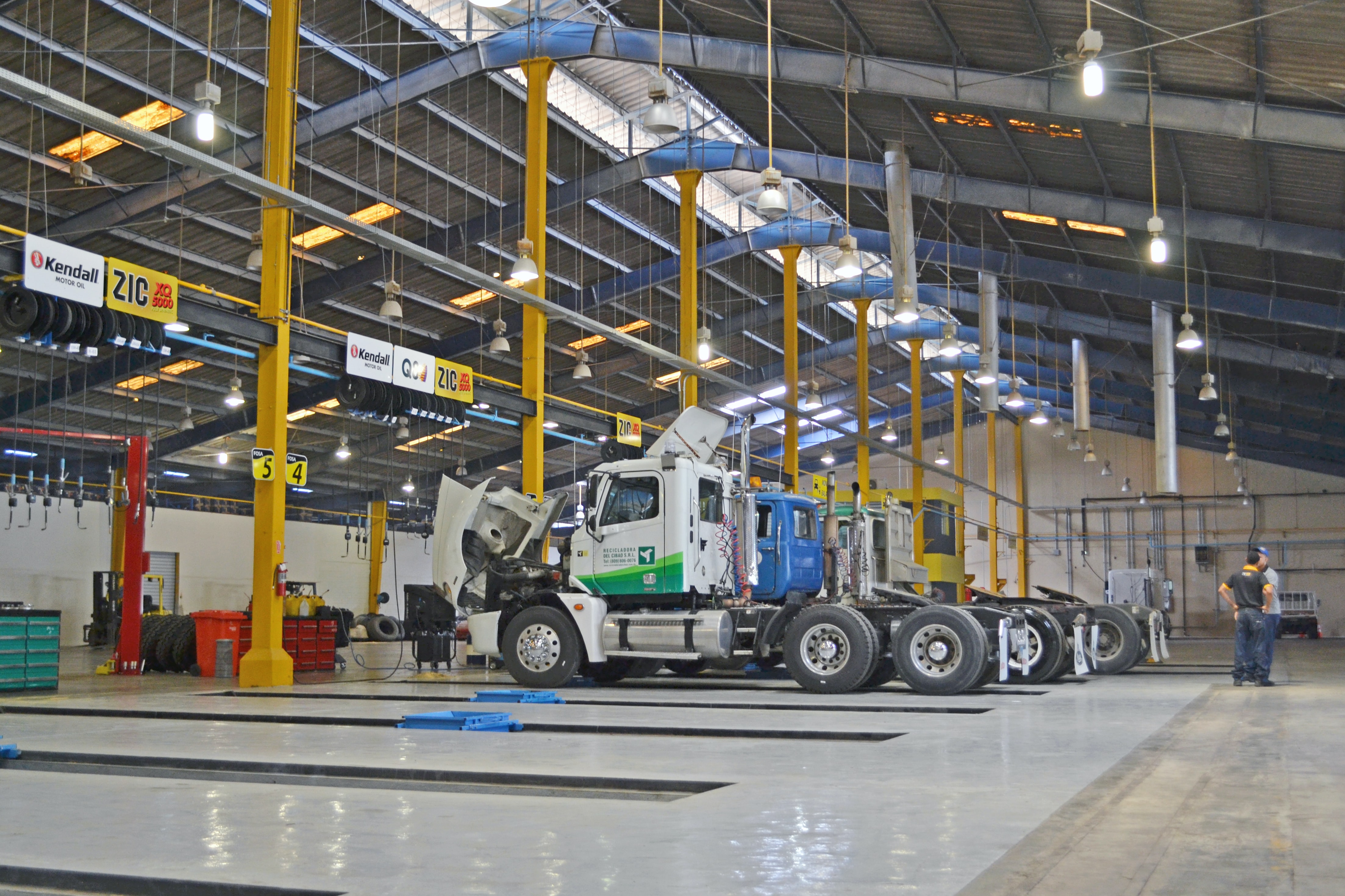
Commercial fleets log millions of miles annually, demanding rigorous, continuous upkeep. When a vital part gives out, the entities responsible for maintenance share the blame.
Worn tread separation, blown steering linkages, and overheated brake lines are notorious culprits in major truck crashes. Mechanics who slap on cheap aftermarket parts or rush through required inspections leave ticking time bombs on the highway. If a manufacturer pushes out a flawed steering column or coupling device, product liability laws kick in.
How Shared Liability Impacts Accident Victims
For anyone injured by a commercial vehicle, proving shared liability is both a massive hurdle and the key to securing fair compensation.
Commercial carriers carry multi-million dollar insurance policies necessary to cover severe medical bills, rehabilitation, and lost earnings. Insurance adjusters routinely try to pin 100% of the blame on the victim, but exposing corporate negligence dismantles those defense tactics. Attorneys pull black box data, cell records, GPS trails, and repair histories to map out every single actor who dropped the ball.
Navigating these heavily defended corporate structures demands a deep grasp of federal transportation rules and state tort law. Bringing in qualified legal representation ensures that every responsible party, from the parent corporation to the loading dock, answers for their part in the crash.
Conclusion
Commercial trucking accidents are rarely simple mistakes made in a vacuum. They are almost always the culmination of a chain reaction involving tired drivers, demanding dispatchers, careless loaders, and neglected maintenance. Acknowledging that liability stretches across the entire industry is the only way to drive real accountability, make our highways safer, and ensure victims get the justice they deserve.
Join the conversation!