
Study shows naloxone less effective against powerful synthetic opioid overdoses
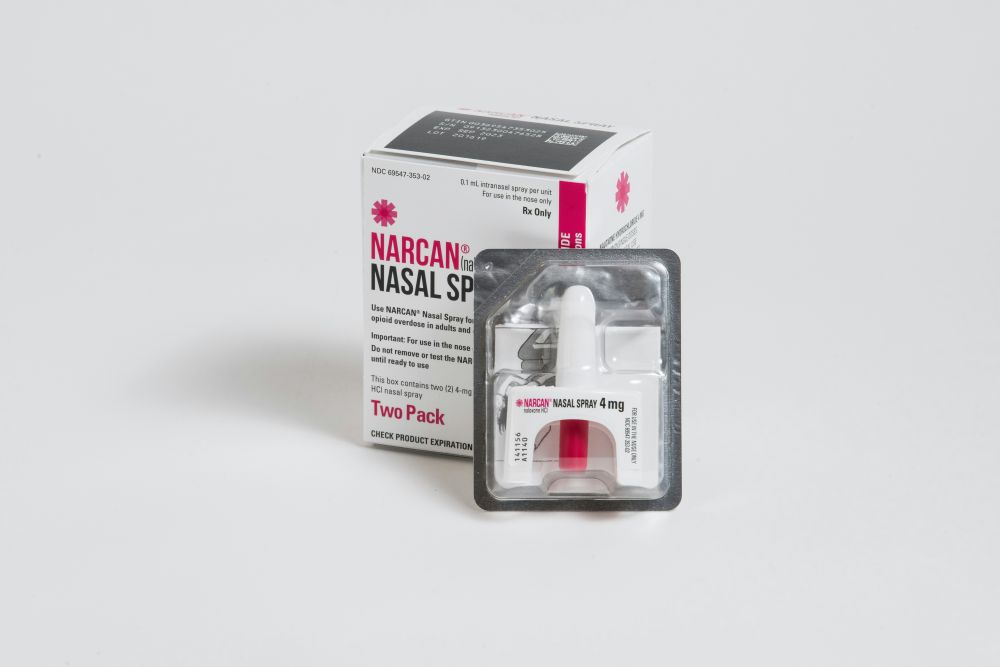
A widely used medication that can reverse opioid overdoses is facing new questions as stronger drugs continue to spread. Naloxone has long been known as a fast-acting treatment that can restore breathing and save lives during an overdose. It works by blocking opioids in the brain, allowing the body to recover from their effects. For years, it has been carried by first responders and even by members of the public in areas heavily affected by opioid use due to the drug’s effectiveness.
New research suggests that this medication may not carry the same effectiveness against newer synthetic opioids, however. Drugs like fentanyl have become a major part of the overdose crisis and are now linked to a large share of overdose deaths in the United States. These substances are far more powerful than older opioids and can affect the body more quickly and intensely. As a result, reversing their effects may be more difficult than it was with earlier drugs.
In a recent study, researchers looked at how naloxone performed when people were exposed to strong synthetic opioids. The study involved 30 participants, including both regular opioid users and those with no history of use. Each person was given controlled amounts of drugs like fentanyl until breathing slowed. After that, naloxone was given to see how well it could restore normal breathing.
The results showed that naloxone did help in every case, but its effects were not always complete. Breathing began to improve within a few minutes, which is consistent with how the drug is expected to work. However, further testing revealed that breathing was not fully back to normal for all participants. Some appeared awake and somewhat alert, but their bodies had not fully recovered from the drug’s impact.
One reason for this reduced effectiveness may be how synthetic opioids interact with the brain. These drugs attach very strongly to the same receptors that naloxone targets. Because of this tight binding, it can be harder for naloxone to push them aside and fully block their effects. This may explain why a single dose is sometimes not enough in cases involving newer substances.
The findings suggest that more than one dose of naloxone may be needed during certain overdoses. People responding to an emergency may need to act quickly and be prepared to give additional doses if the first one does not fully restore breathing. At the same time, calling emergency services remains a critical step, even if naloxone has already been used. Medical help is still needed because the drug’s effects can wear off, allowing the opioids to take hold again.
Health experts also note that current guidelines may need to change in response to these stronger drugs to increase naloxone effectiveness. Standard doses of naloxone were developed when less powerful opioids were more common. With the rise of synthetic opioids, there may be a need for higher doses or more widespread access to multiple doses at once. This could help improve outcomes during emergencies and reduce the risk of death.
The study demonstrates the ongoing challenge of keeping up with changes in the drug supply. As new substances appear, tools that once worked well may need to be adjusted. Naloxone remains an important part of the response to opioid overdoses, but it may not be enough on its own in every situation. Continued research and updated public health strategies will play a key role in addressing these risks.
Efforts to educate the public are also important. People who may witness an overdose should know how to recognize the signs and respond quickly. Having naloxone on hand can still save lives, especially when used promptly and combined with emergency care. Even with its limits, it remains one of the most effective tools available in overdose response.
As the opioid crisis continues to change, health systems, first responders, and communities are being pushed to adapt. The growing presence of stronger drugs has made overdose situations more complex and more dangerous. While naloxone still offers hope in many cases, the need for awareness, preparation, and updated guidance is becoming clearer.
Sources:
Naloxone’s OD-Reversing Powers Challenged By Today’s Opioids, Tests Show
Join the conversation!