
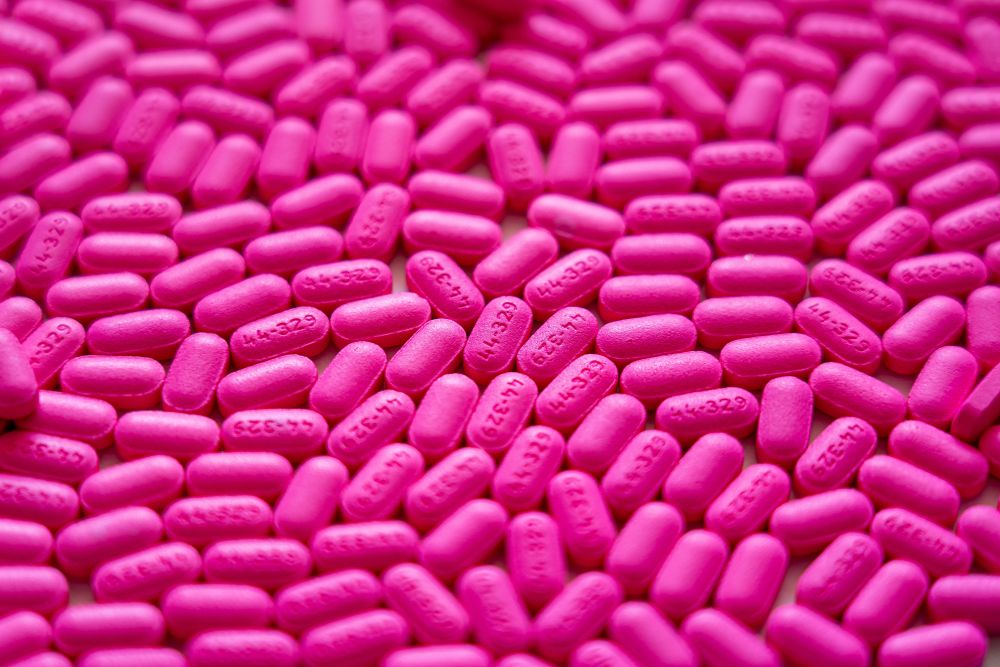
Officials warn families about dangers linked to common allergy medications.
Connecticut health officials are raising concerns after three children died over the past two months from apparent overdoses involving a well-known, common over-the-counter allergy medication. The deaths have led to warnings to parents about the risks associated with medications that are often viewed as safe just because they can be purchased without a prescription. The Connecticut Office of the Child Advocate confirmed that the children died after reportedly taking diphenhydramine, an antihistamine commonly sold under the brand name Benadryl. The medication is widely used to treat allergy symptoms such as sneezing, runny nose, itching, and reactions caused by colds or seasonal allergies. It is available in stores across the country and can be purchased without a doctor’s approval.
State officials said the deaths are believed to be linked to diphenhydramine overdoses, though details about the individual cases have not been publicly released. The Office of the Child Advocate has been working with the Connecticut Department of Public Health to discuss ways to prevent similar tragedies and educate families about medication safety. Dr. Gary Soffer, an allergist and immunologist with Yale New Haven Health, explained that high doses of diphenhydramine can lead to serious medical emergencies. Among the possible complications are seizures and dangerous heart rhythm problems.
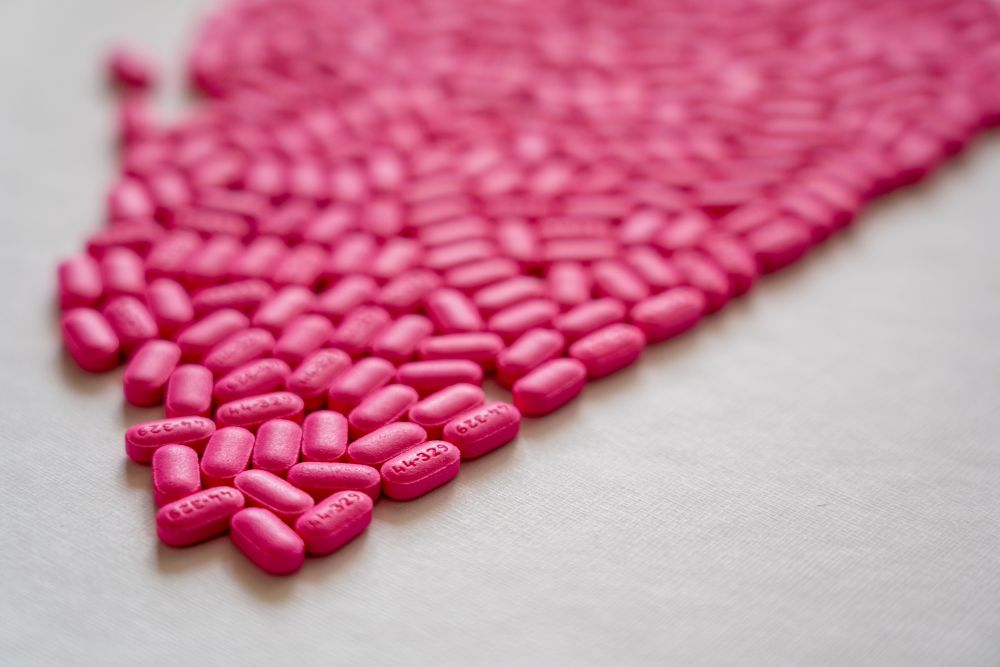
The deaths have also led to discussions about reports circulating online that suggest a social media challenge may have played a role. State officials said they have not been able to confirm this yet. At this time, authorities continue to focus on educating families about safe medication use rather than speculating about possible causes that have not been verified. Officials are encouraging parents to keep all medications, including non-prescription products, stored in secure locations where children and teenagers cannot easily access them.
The situation has brought renewed attention to how teenagers may experiment with medications without fully understanding the risks involved. Some young people may mistakenly believe that products sold without a prescription cannot cause serious harm. Health officials say that assumption can have deadly consequences.
Dr. Soffer suggested that newer allergy treatments may offer safer alternatives for many patients. He described Benadryl as a first-generation allergy medication and noted that newer products, including medications such as Allegra, are available and may carry fewer side effects. He added that many consumers never read medication labels carefully, which can leave them unaware of dosage limits and potential dangers.
The fact that the three deaths occurred in such a short period has alarmed healthcare professionals. Dr. Krishnan Narasimhan, head of family medicine at Stamford Hospital, described the number of deaths over two months as unusual. The cases have led doctors and public health officials to call for greater awareness about medication safety and responsible use.
The Office of the Child Advocate also indicated that an average of 17 children each day visit emergency departments in Connecticut because of self-harm or suicidal thoughts. Officials hope families will seek help when children are struggling and remain alert to warning signs that may indicate a need for support. As the investigation continues, health experts are reminding families that medications found in nearly every medicine cabinet should be treated with the same care and caution as any other drug.
Sources:
3 children in Connecticut dead due to allergy medication overdose
Connecticut warns parents after 3 children die from suspected Benadryl overdoses
Join the conversation!