
Legally, there are no strict federal rules preventing misuse of “Esquire.” However, state bar associations discourage non-lawyers from using it.
Legal titles like “Esquire” and others can be confusing, but they’re basically a way to show professional status in law. Simply put, Esquire is a title indicating that someone is a licensed attorney. Other titles, such as “Attorney at Law” or “Counselor,” serve similar purposes but may carry slightly different connotations depending on context.
This blog aims to help you understand the meaning of Esquire, along with other common legal titles, their origins, and how to use them correctly in everyday and professional situations.
What Does “Esquire” Really Mean?
The title “Esquire” is mostly used in the United States to indicate a licensed lawyer. When someone signs their name with “Esq.” after it, they’re signaling that they’re authorized to practice law. While it’s not a formal credential like “JD” or “LLM,” it carries professional respect in legal correspondence.
The origin of Esquire dates back to England, where it once referred to a social rank just below that of a knight. Over time, it became associated specifically with lawyers, and the tradition carried over to American law practice. Today, using “Esquire” is mostly symbolic, but it still helps clients identify legitimate attorneys.
How Do Other Legal Titles Differ?
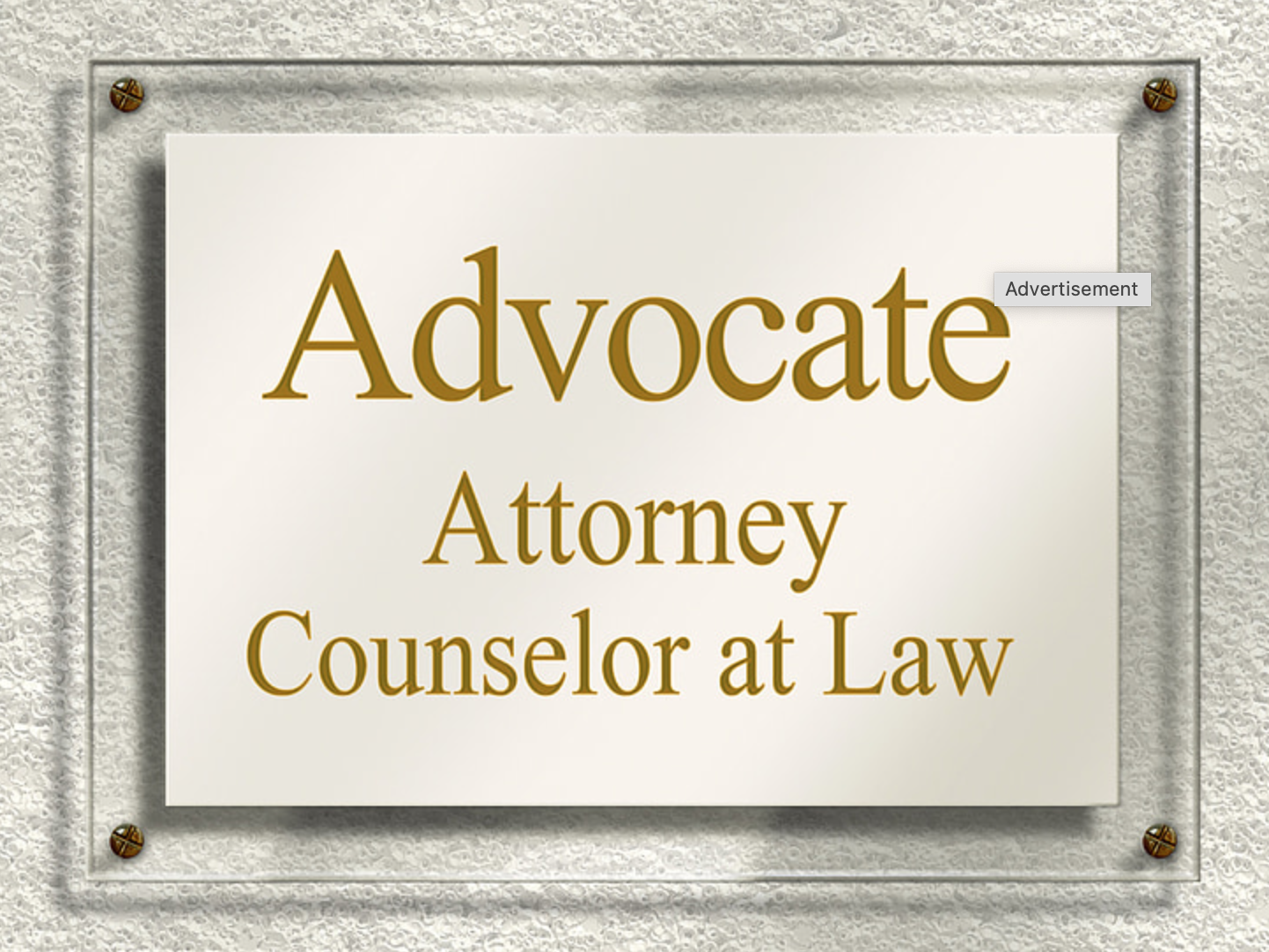
Not all legal titles mean the same thing. For instance, “Attorney at Law” explicitly denotes a person licensed to practice law. “Counselor” or “Counsel” can be used interchangeably, but may suggest a more advisory role. Understanding these distinctions prevents misuse in documents and formal communication.
Some titles reflect education rather than licensing. A “Juris Doctor” (JD) signals completion of law school, but without passing a bar exam, the person cannot practice. Meanwhile, “LL.M.” indicates a postgraduate law degree but does not confer practicing rights.
When Should You Use These Titles?
Using the correct legal title depends on context. In professional letters, contracts, or court filings, “Esq.” after a lawyer’s name is standard. For example, a contract might read: “Jane Doe, Esq., Attorney at Law.” Using the wrong title can confuse, but in casual conversation, first names or “Mr./Ms.” are sufficient.
Are There Rules About Using “Esquire”?

Legally, there are no strict federal rules preventing misuse of “Esquire.” However, state bar associations discourage non-lawyers from using it. Misrepresentation could be considered unethical or even illegal if used to imply the ability to practice law. For instance, the American Bar Association notes that misrepresenting legal credentials can carry penalties.
Why Titles Matter in Practice
Legal titles help establish trust and credibility. Clients often look for the “Esq.” designation to confirm that they are dealing with a licensed professional. In litigation or contracts, the proper use of titles clarifies responsibilities and authority.
Quick Facts About Legal Titles
- “Esquire” is symbolic in the U.S., not a formal license.
- “Attorney at Law” confirms bar admission.
- “Counselor” often conveys the idea of advisory work.
- JD and LL.M. denote education, not licensing.
- Misusing titles can result in ethical or legal issues.
Key Takeaways
- “Esquire” signals a licensed lawyer but is largely symbolic.
- Legal titles differ in meaning: some denote licensing, others education or advisory roles.
- Correct use of titles ensures professional credibility and legal clarity.
- State bars discourage non-lawyers from using “Esquire.”
- JD and LL.M. indicate law degrees, but only passing the bar allows practice.
- Titles like “Counselor” help identify advisory roles versus active practitioners.
- Understanding these distinctions prevents miscommunication in legal matters.
Join the conversation!