
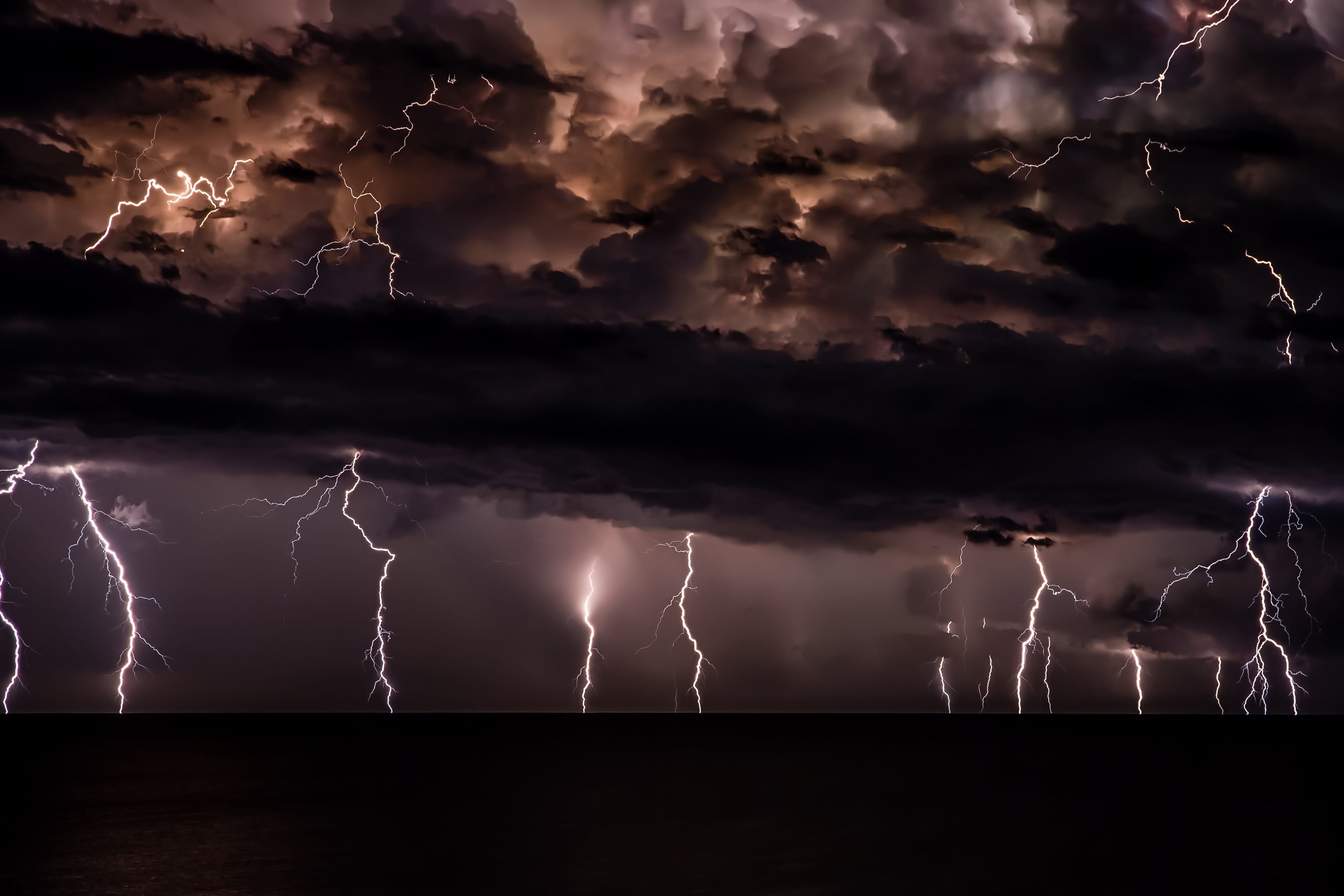
Landlords should be clear on their legal obligations when severe weather hits. So stay informed on your state laws and you’ll keep your tenants protected and avoid costly legal consequences.
Landlords and property owners are being sued more than ever. In fact, premises liability claims in the U.S. jumped from 4,516 cases in 2022 to 5,636 in 2024, a 25% rise in just two years. Although there are many reasons for this, severe weather events like storms, tornadoes, hail and high winds are increasingly driving these claims. This is because tenants can sue if their rental is damaged and their landlord doesn’t make the needed repairs. Landlords who know their obligations and act fast to carry them out are better placed to avoid disputes and costly legal action.
Repair obligations under the implied warranty of habitability
Landlords have to provide a habitable living environment for their tenants and that’s the case for all states in the U.S. This is known as the implied warranty of habitability, and it means landlords by law need to keep all their rental properties safe and fit to live in. Landlords still have to maintain and restore habitability even if damage caused wasn’t their fault and so severe weather can trigger this warranty immediately. How fast repairs then need to be made differ based on state laws. In New York, for example, landlords are legally mandated to fix “immediately hazardous conditions” (or, Class C violations) within 24 hours. But in Texas, landlords have seven days to fix health and safety issues once they receive written notice (according to Texas Property Code § 92.056).
That said, some repairs are more urgent than others and shouldn’t wait even seven days. In fact, between 70-90% of all insured residential catastrophe losses come down to roof damage above all, research from the Insurance Information Institute reveals. This makes roof damage one of the most urgent (and potentially expensive) repairs you can expect to have after extreme weather. Even a few missing shingles or cracked flashing can let water in and that can soon lead to major structural issues. Landlords should act quickly to document damage and get a professional to inspect the roof. A roof inspection reveals hidden damage early, so you can prevent small issues from becoming expensive and habitability-threatening problems.
Rent abatement: if a rental becomes uninhabitable
Tenants also don’t have to pay rent if the damage has made it impossible to live in the rental property. This is known as rent abatement. However landlords aren’t obligated to cover the costs of temporary housing, unless the lease terms say otherwise. But if the property is only partially affected, like one floor is damaged but the tenant can still live there, the rent can be reduced instead of suspended altogether.
Landlord insurance provides important protection here as it usually includes loss of rent cover, so you won’t be left out of pocket while the rental is being repaired. Landlord insurance doesn’t cover tenants’ belongings or displacement costs. That’s what renter’s insurance is for; this policy covers personal property damaged by extreme weather and temporary housing costs if the tenant has to move somewhere else while repairs are made. Many landlords actually require renters insurance as a lease condition to avoid disputes later.
What happens if landlords don’t act
Tenants in many states also have the right to withhold rent if landlords don’t make repairs in time after severe weather. But this law doesn’t apply everywhere. For example, if a tenant in Alabama or North Carolina stops paying rent, that’s a violation of lease terms and grounds for eviction. There’s also repair and deduct, which is codified in at least 29 states. This is where tenants can make repairs themselves and deduct the cost from their monthly rent. Limits on the amount that can be deducted vary based on state law, and there’s also strict requirements, like the tenant has to provide written notice first. Landlords should know that if a tenant doesn’t follow the correct procedure for either remedy, they can treat it as unpaid rent and pursue evictions as needed. But the easiest way for landlords to avoid all this is to act quickly and communicate well with tenants throughout the repair process.
Landlords should be clear on their legal obligations when severe weather hits. So stay informed on your state laws and you’ll keep your tenants protected and avoid costly legal consequences.
Join the conversation!