
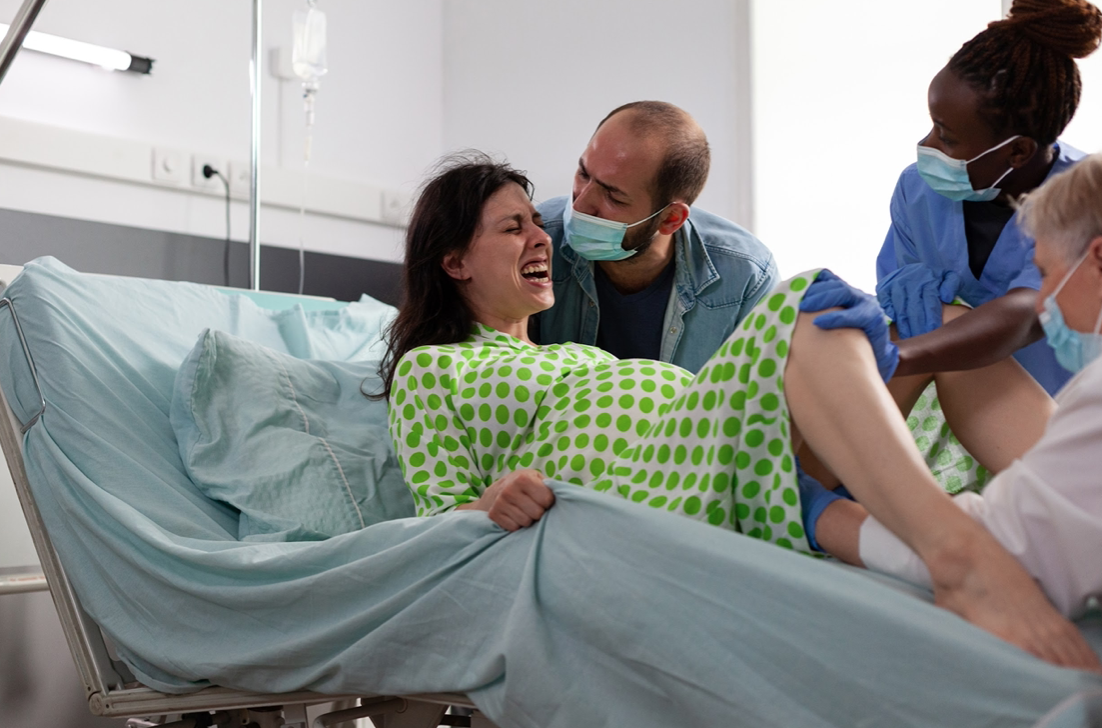
Proving negligence in a birth injury case requires clarity, structure, and specialized evidence, so families must demonstrate that a medical provider owed a duty of care.
When a newborn suffers a preventable injury during labor or delivery, families face a difficult combination of medical uncertainty, emotional strain, and legal complexity. This is because birth injury cases rely on a specific legal standard. Proving negligence requires demonstrating that medical professionals failed to meet the accepted standard of care, and that this failure directly caused harm. Understanding how negligence is evaluated and what evidence matters most helps families approach the process with clearer expectations and stronger footing.
- Establishing the Medical Provider’s Duty of Care
The first step in proving negligence is confirming that a doctor, nurse, midwife, or hospital owed a duty of care. Once a clinician accepts responsibility for prenatal care or delivery, they must act according to the established professional standards expected in their field.
Some of these duties include timely monitoring of fetal distress, appropriate response to complications, adherence to obstetric safety protocols, and maintaining awareness of maternal risk factors. This duty is not optional, and once this duty is not obliged to, patients have the right to file birth injury lawsuits as a means to get compensated for the damages done, whether known or unknown.
- Demonstrating a Breach of the Standard of Care
A breach occurs when a medical professional fails to act as a reasonably skilled personnel would under the same circumstances. Birth injury cases focus on specific clinical decisions or omissions that deviate from accepted practice, and these acts form the core of a negligence claim. Common examples include:
- Ignoring signs of fetal distress on monitoring strips.
- Delaying an emergency C-section despite clear indicators.
- Misusing vacuum extractors or forceps.
- Failing to monitor maternal infections or oxygen levels.
- Administering medication incorrectly or at unsafe intervals.
Most times, the problem is not because something went wrong, rather, it is that the personnel’s conduct fell below what competent professionals would consider acceptable. Medical experts play a crucial role in determining whether a breach occurred, and their analyses often decide whether a claim moves forward.
- Proving Causation Between the Breach and the Injury
This is often the most contested part of a birth injury case, because it requires showing that the personnel’s breach directly led to the injury. Many birth-related outcomes can arise from natural complications, as hospitals often argue that an injury would have occurred regardless of the medical team’s actions.
The goal is to connect the chain of events logically and medically. For instance, if a delay in responding to fetal distress resulted in brain injury, if misuse of forceps caused skull fractures or if improper medication led to respiratory depression, these links form the foundation of causation.

- Documenting the Extent of Damages
Finally, even when negligence and causation are proven, families must show damages representing the measurable impact of the injury. Birth injury cases often involve long-term or permanent effects, which require detailed assessment.
Accurate valuation depends on medical forecasting, economic analysis, and expert evaluations. Families should expect attorneys to gather comprehensive records to document not only present harm, but also the future burdens.
Endnote
Proving negligence in a birth injury case requires clarity, structure, and specialized evidence, so families must demonstrate that a medical provider owed a duty of care. While the legal path can be demanding, but a well-supported claim helps families obtain the resources necessary for long-term care.
Join the conversation!