

The burden-of-proof structure in Illinois first-party insurance disputes is more favorable to policyholders than many realize.
First-party insurance disputes — where the policyholder sues their own insurer for failing to pay a claim — follow a burden-of-proof structure that trips up many claimants. The policyholder who filed premiums on time, reported the loss promptly, and submitted every form the insurer requested can still lose their case if they don’t understand what the law requires them to prove, and in what order.
Illinois courts have developed a clear framework for allocating proof in these cases. Knowing where the burden sits at each stage of the dispute is essential for policyholders who want to move from frustration with their insurer to a position that can actually prevail in litigation.
The Policyholder’s Initial Burden: Covered Loss, Policy in Force
The foundational requirement is straightforward. A policyholder bringing a breach-of-contract claim against their insurer must establish three elements: a valid insurance policy was in effect at the time of loss, the loss falls within the policy’s coverage provisions, and the policyholder complied with the policy’s conditions (timely notice, cooperation, submission of a proof of loss where required).
That first element is rarely contested. The second is where most disputes begin. Coverage provisions in homeowner and commercial property policies use defined terms — “direct physical loss,” “sudden and accidental,” “windstorm,” “collapse” — and the meaning of those terms determines whether a loss is covered. The policyholder must demonstrate that their claimed loss fits within the policy’s insuring agreement. This isn’t just a factual question; it’s a question of policy interpretation, and courts evaluate the policy language under Illinois contract law principles.
The Burden Shift: Exclusions Belong to the Insurer
Here’s where the framework gives policyholders structural leverage they often don’t realize they have. Once the policyholder establishes a prima facie case — that the loss is covered under the insuring agreement — the burden shifts to the insurer to prove that an exclusion applies.
This allocation matters enormously. Insurance policies contain dense exclusion sections covering everything from earth movement to gradual deterioration to ordinance or law compliance. Insurers frequently deny claims by citing these exclusions. But the legal burden of establishing that an exclusion applies sits with the insurer, not the policyholder. If the insurer can’t demonstrate that the facts meet the exclusion’s terms, the exclusion fails, and coverage stands.
Illinois courts interpret exclusions narrowly. Ambiguous exclusion language is construed against the insurer and in favor of coverage. This is a product of the standard contract-interpretation principle that the drafter of an ambiguous term bears the consequences of that ambiguity — and insurance policies are drafted by insurers.
Where Cases Commonly Stall: Causation and Concurrent Causes
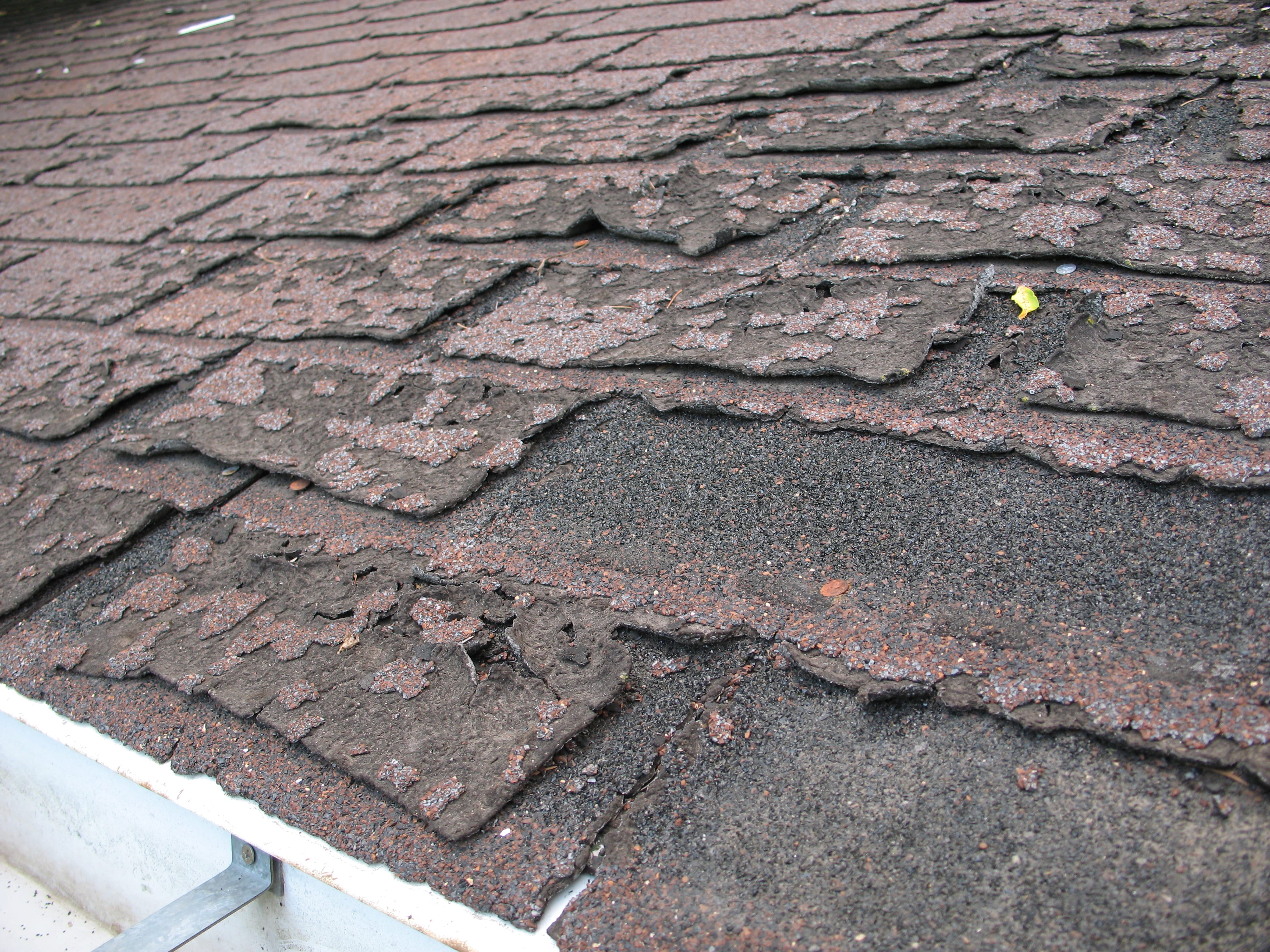
Even when coverage and exclusions are relatively clear, disputes often get stuck on causation. Property damage is rarely caused by a single event. A roof may be damaged by wind (covered) but also show signs of long-term wear (often excluded). A pipe burst may be sudden (covered) but related to maintenance issues the insurer characterizes as gradual (excluded).
Illinois follows the “efficient proximate cause” doctrine in many property insurance contexts. Under this approach, if a covered peril sets in motion a chain of events that leads to the loss, the entire loss may be covered — even if an excluded peril contributed to the damage along the way. However, the doctrine’s application depends on the specific policy language and the factual circumstances. Some policies contain anti-concurrent-causation clauses that attempt to override this framework by excluding coverage whenever an excluded cause contributes to the loss in any way, regardless of the sequence.
For policyholders, the practical implication is that causation disputes often require expert testimony. Engineers, contractors, and forensic consultants who can establish the timeline and mechanism of damage become critical witnesses. Courts expect the policyholder to present credible evidence about what caused the loss, not just evidence that the loss occurred.
The Documentation Gap That Undermines Valid Claims
Many first-party claims fail not because the loss wasn’t covered, but because the policyholder didn’t preserve the evidence needed to meet their burden. Illinois courts expect policyholders to document their losses with specificity. That means photographs taken before and after the damage, records of communications with the insurer, copies of the insurer’s correspondence (including any written denials or explanations), contractor estimates, and a sworn proof of loss where the policy requires one.
The National Association of Insurance Commissioners (NAIC) recommends that policyholders keep detailed records of every interaction with their insurer and document the claims process from the moment they report the loss. Regulatory guidance from the Illinois Department of Insurance similarly emphasizes that policyholders should contact the insurer first to request specific explanations for any claim decisions and keep copies of all correspondence.
This recordkeeping serves two functions. It establishes the factual predicate for the policyholder’s case, and it creates a paper trail that can later demonstrate whether the insurer’s handling of the claim was reasonable — which becomes relevant if the dispute escalates to statutory penalty claims under Section 155 of the Illinois Insurance Code.
Expert Evidence and the Cost-Benefit Calculation
The requirement for expert evidence in causation and damage valuation disputes creates a practical barrier that policyholders need to plan for. Retaining engineers, public adjustors, or forensic consultants to evaluate damage and testify about causation costs money. For smaller claims, those costs may approach or exceed the disputed amount, making litigation uneconomical.
This is one reason Illinois’s statutory framework matters. When an insurer’s denial or underpayment is found to be vexatious and unreasonable, the policyholder can recover attorney fees and additional statutory damages. That fee-shifting provision can change the economic calculus of litigation, making it financially viable for policyholders to pursue claims they might otherwise have to abandon.
For policyholders facing a substantial first-party dispute — particularly on property damage claims where the insurer is relying on exclusions or causation arguments that don’t hold up under scrutiny — working with Illinois insurance coverage litigation attorneys who understand the burden-of-proof framework and the evidentiary requirements is often the difference between a claim that stalls and one that recovers what the policy owes.
The Practical Takeaway for Policyholders
The burden-of-proof structure in Illinois first-party insurance disputes is more favorable to policyholders than many realize. The policyholder must show the loss is covered; the insurer must prove the exclusion applies. Ambiguities in policy language cut in the policyholder’s favor. And when an insurer’s denial lacks a reasonable basis, statutory penalties add teeth to the policyholder’s claim.
Where cases go wrong is usually in preparation, not in the law. Policyholders who document their losses thoroughly, preserve communications with their insurer, and understand the causation issues their claim will face put themselves in the strongest possible position — whether the dispute resolves in negotiation or goes to trial.
Join the conversation!