
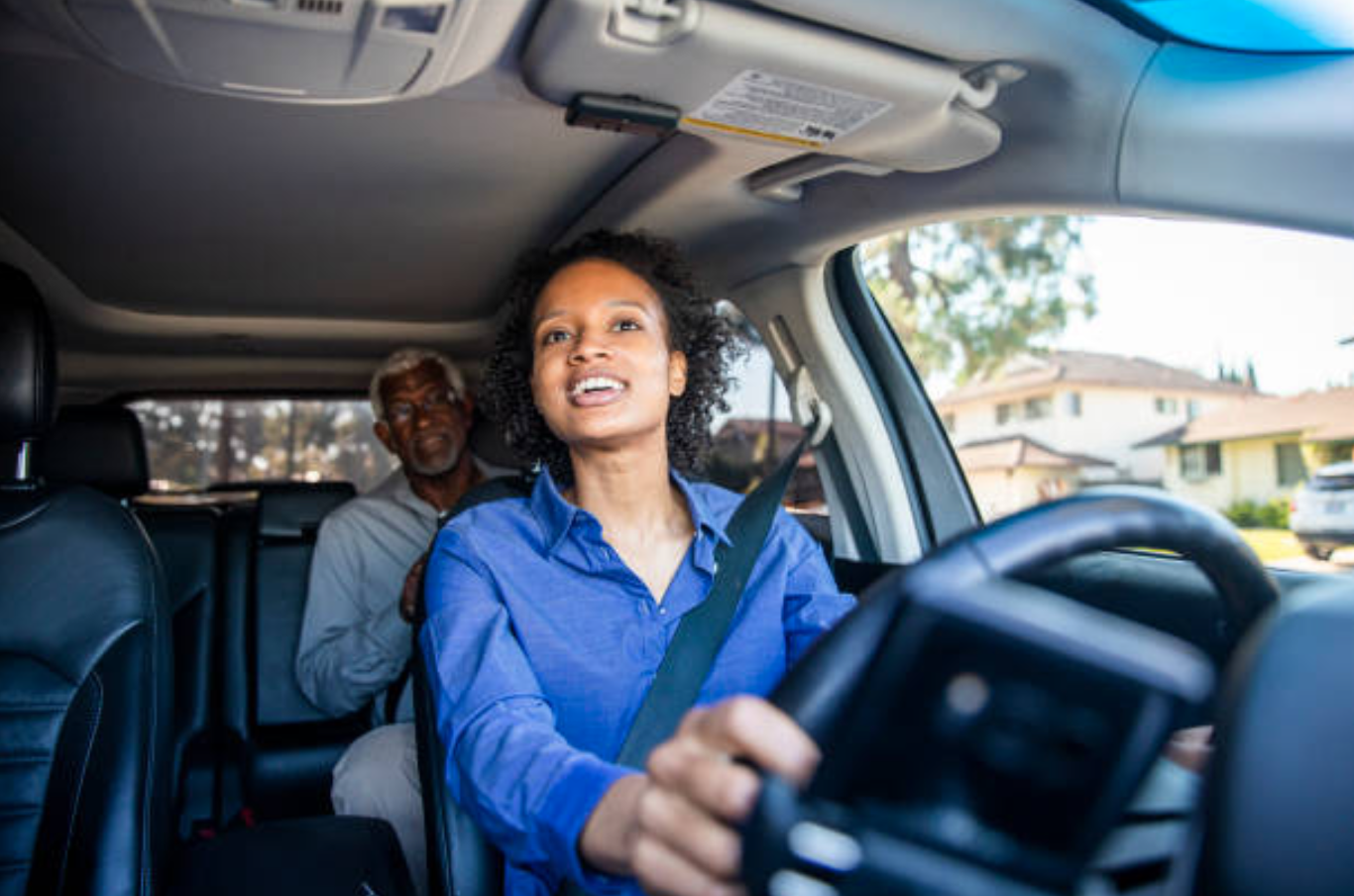
An offline driver, a driver waiting for a request, and a driver who has already accepted a passenger may be driving the same car on the same road. But under Texas law, available insurance coverage can differ significantly.
Rideshare accidents may look like ordinary car crashes, but the insurance issues can be very different.
When an Uber, Lyft, or other rideshare vehicle is involved in a Texas crash, one of the first questions is not simply, “Who caused the accident?” Another important question is: What was the rideshare driver doing in the app at the exact time of the crash?
That answer can affect which insurance policy applies and how much coverage may be available.
Knowing these differences may help passengers, rideshare drivers, and other motorists know what to expect after an accident. A Houston rideshare accident lawyer can guide you through the process of collecting on an injury claim.
Texas Has Specific Insurance Rules for Rideshare Drivers
Texas law refers to rideshare companies as transportation network companies, or TNCs.
Chapter 1954 of the Texas Insurance Code establishes special insurance requirements for rideshare drivers. Texas Occupations Code Chapter 2402 also regulates transportation network companies operating in the state.
The important point is that rideshare insurance changes depending on the driver’s status.
The Driver Is Not Logged Into the App
When a driver is using the vehicle for personal reasons and is not logged into a rideshare platform, the driver’s ordinary automobile insurance generally applies.
The special Texas rideshare insurance requirements are tied to the driver’s use of the transportation network company’s digital network.
The Driver Is Logged In but Has Not Accepted a Ride
Texas requires increased coverage once a rideshare driver logs into the app and is available to accept passengers.
During this period, Texas law requires at least:
- $50,000 in bodily injury coverage for one person
- $100,000 in bodily injury coverage per accident
- $25,000 in property damage coverage
The statute also addresses uninsured or underinsured motorist coverage and personal injury protection when Texas insurance law requires those coverages.
This period can create confusion because the driver may look like any other motorist on the road. The driver may not have a passenger and may not even be traveling toward a pickup location.
But the fact that the driver was logged into the rideshare app can change the insurance picture.
The Driver Has Accepted a Ride
The insurance requirements increase substantially after a driver accepts a ride request.
Under Texas law, a “prearranged ride” begins when the driver accepts a passenger’s request through the rideshare company’s digital network. It continues until the last requesting passenger leaves the vehicle.
During that period, Texas law requires automobile insurance providing at least $1 million in total liability coverage for each incident involving death, bodily injury, or property damage.
That means the $1 million requirement can apply before the passenger is physically inside the vehicle. For example, it can apply while the driver is traveling to pick up an accepted passenger.
Why App Status Becomes Important Evidence
In an ordinary car accident, investigators usually focus on evidence such as vehicle damage, photographs, witness statements, police reports, traffic signals, and electronic vehicle data.
Those things remain important in a rideshare crash.
But another piece of evidence becomes especially significant: the rideshare driver’s digital activity.
The relevant records may help establish:
- Whether the driver was logged into the app
- Whether a ride had been accepted
- When the driver accepted the ride
- Where the driver was headed
- When the passenger was picked up
- When the ride ended
Texas law requires transportation network companies to maintain individual ride records for at least five years after the ride occurs.
That makes rideshare records potentially important evidence when there is a disagreement over which insurance period was in effect.
A Driver’s Personal Auto Policy May Not Cover the Accident
One mistake people sometimes make is assuming that the driver’s normal personal auto insurance automatically covers a rideshare accident.
That is not necessarily true.
Texas law expressly allows personal automobile policies to exclude coverage while a driver is logged into a rideshare network, engaged in a prearranged ride, or otherwise transporting passengers for compensation. Insurers may choose to provide coverage or offer an endorsement, yet ordinary personal policies are not required to cover rideshare activity.
This is one reason an accident involving a rideshare vehicle can involve several potential insurance policies, not just one.
Who Is Responsible for a Rideshare Accident?
Rideshare insurance rules determine available coverage. They do not automatically determine who caused the accident.
Fault still depends on what happened.
For example, a rideshare driver may be responsible for an accident after:
- Running a red light
- Following another vehicle too closely
- Making an unsafe lane change
- Speeding
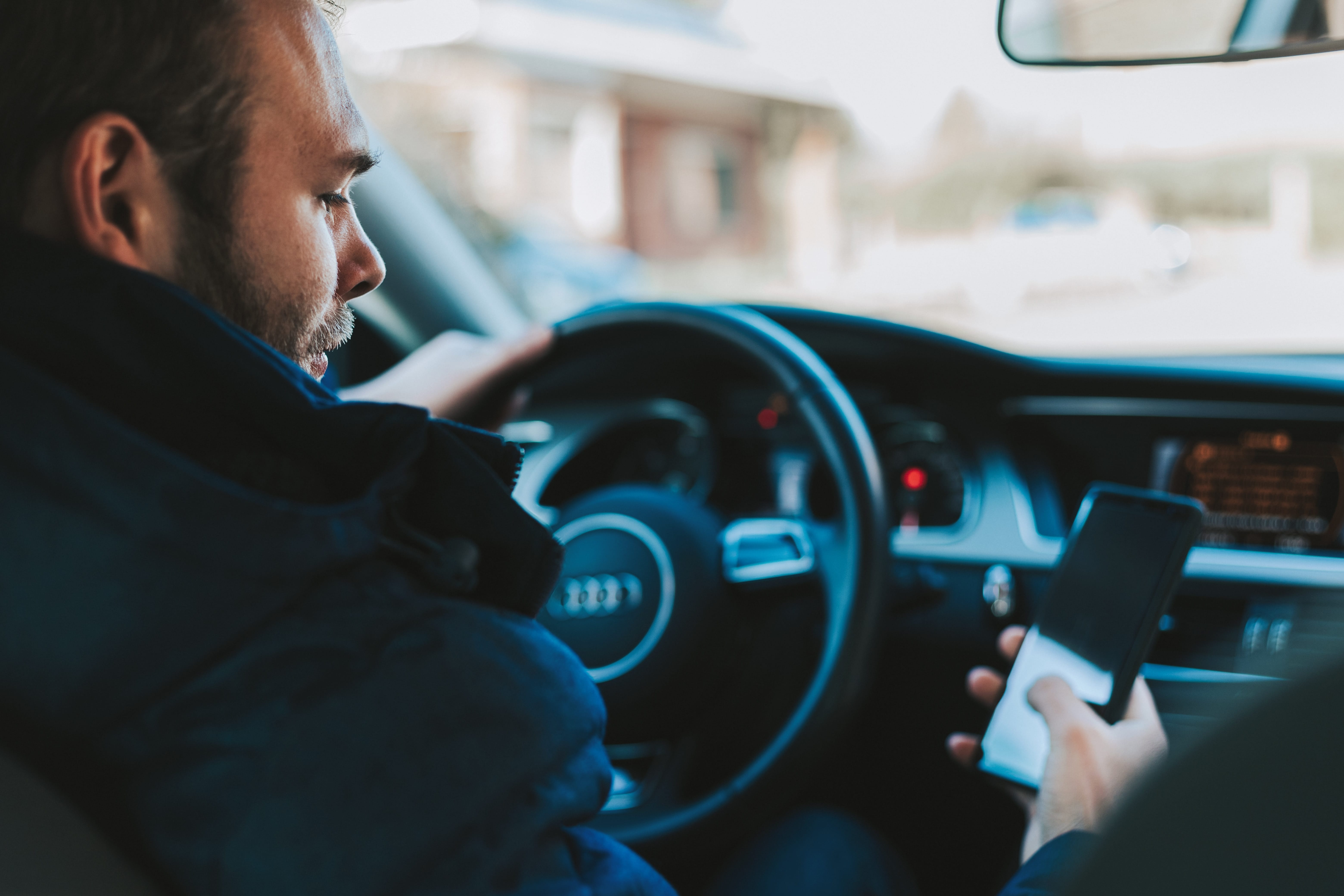
- Looking at a phone instead of the roadway
- Making an unsafe pickup or drop-off maneuver
But another driver may cause the collision instead.
That distinction matters for rideshare passengers. A passenger can be injured even though the rideshare driver did nothing wrong.
In some cases, multiple drivers may share responsibility.
Texas follows a proportionate responsibility system. A claimant generally cannot recover damages if the claimant’s own percentage of responsibility is greater than 50 percent. When responsibility is shared among several parties, the fault allocation can affect the amount recoverable.
What Should a Passenger Do After a Rideshare Crash?
Passengers frequently have one advantage over drivers after an accident: they are rarely responsible for how the collision occurred.
But passengers still need to document what happened.
Useful steps include getting medical care when needed, reporting the accident to law enforcement when appropriate, taking photographs, getting information from each driver involved, and preserving information about the rideshare trip.
That can include screenshots showing:
- The driver’s name
- The vehicle
- The license plate
- Pickup and destination information
- The ride receipt
- The time of the trip
Texas law requires rideshare platforms to provide passengers with information identifying the driver and vehicle before the passenger enters the vehicle.
Keeping that information can make it much easier to identify the correct driver, vehicle, rideshare company, and insurance coverage later.
What If Another Driver Caused the Accident?
Suppose someone is riding in an Uber or Lyft when another motorist runs a red light and crashes into the rideshare vehicle.
The claim may initially be made against the at-fault driver’s automobile insurance.
But the investigation should not necessarily stop there.
Serious injuries can exceed an individual driver’s liability limits. Uninsured or underinsured motorist coverage may also become relevant, depending on the policies involved and the facts of the accident.
This is another reason determining the driver’s rideshare status at the moment of impact is important even when the rideshare driver did not cause the collision.
Police Reports Can Help, but They Are Only Part of the Evidence
Texas law requires investigating officers to submit reports to the Texas Department of Transportation for qualifying crashes involving injury, death, or at least $1,000 in apparent property damage.
TxDOT keeps these reports through its Crash Records Information System, commonly called CRIS.
A crash report can contain useful information about drivers, vehicles, insurance, witnesses, roadway conditions, and contributing factors.
Still, the police report usually will not contain all of the digital information available from the rideshare platform. App and trip records may therefore become an additional layer of evidence in a rideshare accident investigation.
Texas Usually Has a Two-Year Deadline for Personal Injury Lawsuits
Texas generally requires a personal injury lawsuit to be filed within two years after the claim accrues. Wrongful death actions generally also have a two-year limitations period, although the accrual rules and exceptions can vary depending on the circumstances.
The legal deadline matters, but evidence can disappear long before it arrives.
Vehicles may be repaired, witnesses may become difficult to locate, video can be overwritten, and electronic records can become harder to obtain.
Preserving evidence early can therefore be just as important as knowing the filing deadline.
The Biggest Difference in a Texas Rideshare Accident
For most Texas car accidents, the basic questions are straightforward: Who caused the crash, what injuries resulted, and what insurance coverage is available?
A rideshare accident adds another question:
What was happening inside the rideshare app at the moment of the collision?
That one fact can determine which insurance requirements apply.
An offline driver, a driver waiting for a request, and a driver who has already accepted a passenger may be driving the same car on the same road. But under Texas law, available insurance coverage can differ significantly.
For anyone involved in a rideshare crash, recording both the accident and the driver’s rideshare status is therefore an important part of understanding the claim.
Join the conversation!