
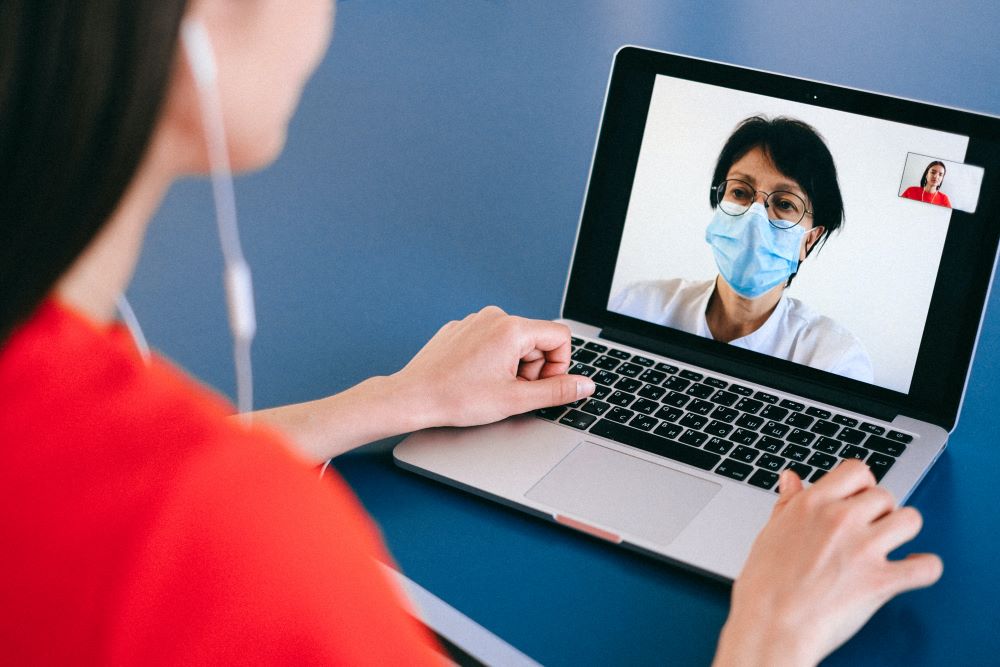
When telehealth is used responsibly, it can be a safe and effective option, but patients should also know their rights if negligence or misconduct leads to harm.
Telehealth has become a normal part of healthcare for many people in Washington. For patients, it can mean faster appointments, less travel, and easier follow-ups. For providers, it can improve access and reduce delays. But even though telehealth feels simple on the surface, the legal rules behind it are not always obvious.
Understanding how telehealth is regulated in Washington can help patients make safer choices, protect their privacy, and know what to do if something goes wrong. While most telehealth visits go smoothly, mistakes, misunderstandings, and medical oversights can still happen, and the legal system treats telehealth medical care seriously.
Telehealth in Washington is Regulated Like In-Person Medical Care
One of the biggest misconceptions about telehealth is that it is somehow “less official” than an in-person appointment. In Washington, telehealth is generally treated as a legitimate form of medical care. That means providers are expected to meet professional standards, just as they would in a clinic or hospital.
Patients should understand that a remote appointment is not casual advice. If a licensed provider is diagnosing you, recommending treatment, or prescribing medication, the visit carries real medical responsibilities. This is important because it affects everything from medical recordkeeping to liability if negligence occurs.
Telehealth is also regulated in ways that may surprise people. The state has rules about how providers establish a relationship with a patient, what information must be collected, and when telehealth is considered appropriate. In many situations, telehealth is encouraged, but it is not always the right fit for every medical problem.
Who Can Provide Telehealth Services in Washington
A key legal issue is licensing. In general, healthcare professionals must be properly licensed to treat patients in Washington, even if the appointment happens through video, phone, or another remote method.
This matters because telehealth can sometimes blur geographic lines. Patients may assume that if a service is available online, it is automatically legal and properly regulated. That is not always true. The provider should have the correct license and authority to practice in Washington, and patients should feel comfortable asking about credentials.
Washington’s licensing expectations apply to a wide range of healthcare professionals, including physicians, nurse practitioners, mental health counselors, and other specialists. If someone is offering treatment without the proper license, it can raise serious legal and safety concerns.
Telehealth Standards of Care Still Apply
Telehealth does not remove a provider’s duty to provide competent medical care. Providers are still expected to act reasonably, make careful decisions, and use professional judgment. That includes knowing when telehealth is appropriate and when an in-person evaluation is necessary.
If a provider fails to recognize warning signs, ignores symptoms, or provides inadequate follow-up, the fact that the appointment was remote does not automatically excuse the mistake. Telehealth can make some assessments harder, but it does not eliminate responsibility.
At the same time, patients should understand that telehealth has natural limitations. Some conditions are difficult to diagnose without a physical exam, lab tests, imaging, or hands-on evaluation. A responsible provider will acknowledge those limits and refer the patient for in-person care when needed.
This is where patients benefit from understanding the Washington state telehealth background, because it helps clarify why the rules exist and what they are designed to protect.
Patient Consent and Communication in Telehealth Visits
Consent is another important issue. In many cases, telehealth providers are expected to inform patients about the nature of telehealth care, including how it works, what risks exist, and what alternatives may be available.
This does not always require a lengthy legal form, but patients should be told basic information such as whether the visit is being recorded, how the provider will protect medical privacy, and what steps to take if there is a technical failure.
Communication is also essential. Telehealth can lead to misunderstandings, especially if the patient feels rushed or if the provider relies too heavily on written questionnaires rather than direct discussion. Patients should not hesitate to ask follow-up questions, request clarification, or describe symptoms in detail.
A strong telehealth appointment should feel like real healthcare, not a quick transaction.
Privacy, Security, and Patient Rights
Medical privacy still applies in telehealth, and Washington patients are protected by federal and state privacy rules. In most cases, healthcare providers must follow strict requirements for safeguarding patient information, including medical history, diagnoses, and prescriptions.
Telehealth creates extra privacy concerns because the appointment is conducted through technology. Patients should consider whether they are using a secure device, whether their internet connection is private, and whether anyone else can overhear the conversation.
Providers should also use secure systems for video calls, messaging, and record storage. While not every privacy issue becomes a lawsuit, serious data breaches can lead to legal consequences, especially if patients suffer harm from stolen medical information.
Patients should also remember that privacy rights do not only apply to digital data. Even something as simple as a provider conducting the call in a public area or leaving confidential information visible on screen can raise concerns.
Prescriptions and Controlled Substances Through Telehealth
Many patients use telehealth for medication refills, new prescriptions, and follow-up treatment plans. Washington allows providers to prescribe medications through telehealth in many cases, but the rules can vary depending on the type of medication and the situation.
Certain controlled substances may require additional steps or stricter standards. This is because controlled substances carry risks of misuse, and telehealth prescribing can be a legal and safety concern if not handled carefully.

Patients should be cautious if an online provider offers strong medications too quickly, without asking detailed questions or reviewing medical history. Legitimate telehealth care usually involves appropriate screening, clear documentation, and careful decision-making.
If a provider prescribes irresponsibly and the patient is harmed, the case may involve both medical negligence issues and regulatory violations.
When Telehealth Mistakes Become Legal Claims
Not every bad experience in telehealth becomes a legal claim. Some issues are minor, such as a delayed appointment, technical difficulties, or an unhelpful provider. However, when telehealth leads to serious harm, the legal consequences can be significant.
Examples of situations that could lead to legal claims include:
- A misdiagnosis that delays urgent treatment, such as missing signs of a stroke, infection, or internal injury.
- A provider prescribing medication that causes severe side effects without proper screening.
- A failure to refer a patient for emergency care when symptoms clearly require it.
- A provider ignores warning signs or fails to follow up after abnormal symptoms are reported.
In these cases, the legal question often comes down to whether the provider met the standard of care. If a reasonable provider had acted differently, and the patient was harmed as a result, a malpractice claim may be possible.
What Patients Can Do to Protect Themselves
Patients can take practical steps to reduce risk during telehealth visits. One of the simplest is to prepare. Writing down symptoms, keeping a medication list, and being ready to answer medical history questions can improve the quality of the appointment.
Patients should also pay attention to how the provider communicates. A good telehealth provider asks clear questions, explains options, and makes sure the patient understands the next steps. If the provider seems dismissive or rushed, it may be worth seeking a second opinion.
It also helps to keep records. Patients can save appointment summaries, screenshots of instructions, and messages from the provider. While patients do not need to assume something will go wrong, having documentation can be helpful if a dispute arises later.
If the patient feels their safety is at risk, they should seek in-person care or emergency care without delay.
Final Thoughts
Telehealth has expanded healthcare access in Washington, but it comes with legal rules that protect patient safety, privacy, and quality of care. Patients should treat telehealth appointments as real medical visits, ask questions, and understand that providers still have a duty to meet professional standards. When telehealth is used responsibly, it can be a safe and effective option, but patients should also know their rights if negligence or misconduct leads to harm.
Join the conversation!