
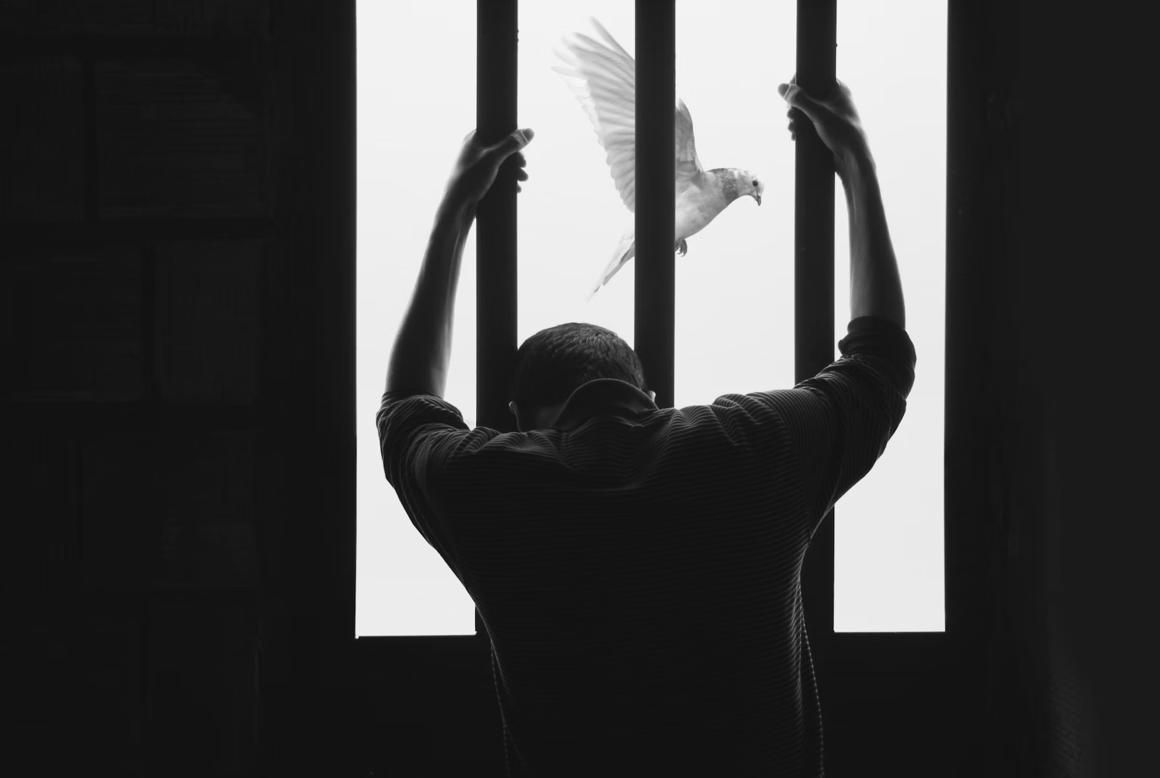
This April 20, dispensaries will celebrate how far cannabis has come. Elsewhere, tens of thousands of people will spend that same day in a cell.
This April 20, dispensaries across the country will run promotions, break sales records, and celebrate how far cannabis has come. What was once a countercultural protest is now a mainstream holiday and a billion-dollar industry.
Somewhere else, tens of thousands of people will spend that same day in a cell.
Millions more will carry cannabis convictions that create lifelong barriers to employment, housing, education, and economic opportunity. That is the central contradiction of modern cannabis policy in America: legalization has created enormous wealth, while many of the people most harmed by criminalization have been left entirely behind.
The War on Drugs left deep scars. Millions were arrested, families were fractured, and communities, particularly communities of color, bore the heaviest enforcement. Despite similar rates of use, Black Americans were arrested for cannabis offenses at far higher rates than white Americans. Those disparities did not disappear when the laws changed. The legacy lives on in every prison sentence still being served, every record still following someone home.
At the Last Prisoner Project, our work centers on three things: freeing people still incarcerated for cannabis offenses, clearing the records of those still carrying the burden of past convictions, and supporting people as they rebuild their lives. Through legal advocacy and pro bono partnerships, we have helped secure releases, reduce sentences, and support the clearing of hundreds of thousands of cannabis records. We believe legalization alone does not repair harm; justice requires going further.
Progress has been real but uneven. 41 states have now implemented some form of legal cannabis, but criminal justice relief has not always kept pace. In many states, record-clearing processes are complicated or require individuals to navigate expensive legal systems. In others, people remain incarcerated under unjust, outdated sentencing laws.
And at the federal level, cannabis remains classified as a controlled substance despite shifting public opinion and state-level reforms. In recent years, there have been meaningful signs of progress. In 2025, President Joe Biden issued sweeping, long-overdue clemency actions by commuting the sentences of over 2,500 individuals, including those serving disproportionate sentences for cannabis. During President Donald Trump’s first term, he granted clemency to individuals convicted of cannabis offenses while also championing the bipartisan First Step Act aimed at reducing excessive sentencing.
Two-thirds of Americans support the legalization of cannabis, an overwhelming shift in attitude over the last few years that hasn’t been reflected in the policies passed in that same time. Our elected leaders must start by prioritizing clemency and resentencing for individuals still incarcerated for cannabis offenses. No one should remain in prison for conduct that society has now decided should be legal. If we are serious about ending the harms of previous cannabis policies, reform must extend beyond legalization alone.

States should implement automatic record clearance wherever possible. Requiring individuals to petition courts to clear past cannabis convictions creates unnecessary, unjust barriers that prolong the consequences of these outdated policies. At the same time, policymakers must invest in reentry support and economic opportunity for those most impacted by criminalization, ensuring access to housing, employment, and financial stability for people returning home after incarceration.
The legal cannabis industry also has a role to play. Its growth has been extraordinary. But it was built on the foundation of policies that devastated communities, and it would be beneficial to the community as a whole to actively support expungement programs, clemency efforts, and justice-focused organizations as part of doing business.
4/20 should remain a day to celebrate how far we’ve come. The shift in public attitude toward cannabis over the past decade has been remarkable, and lives are genuinely better for it. But the celebration is incomplete. The story of cannabis legalization in America is still being written, and right now, thousands of people are waiting to find out whether it will include them.
Until the last cannabis prisoner is free, our work is not done.
Join the conversation!