
Construction accident laws differ from state to state, so it is important for injured workers to keep any evidence that may arise and to seek the counsel of a skilled lawyer in the jurisdiction where the accident occurred.
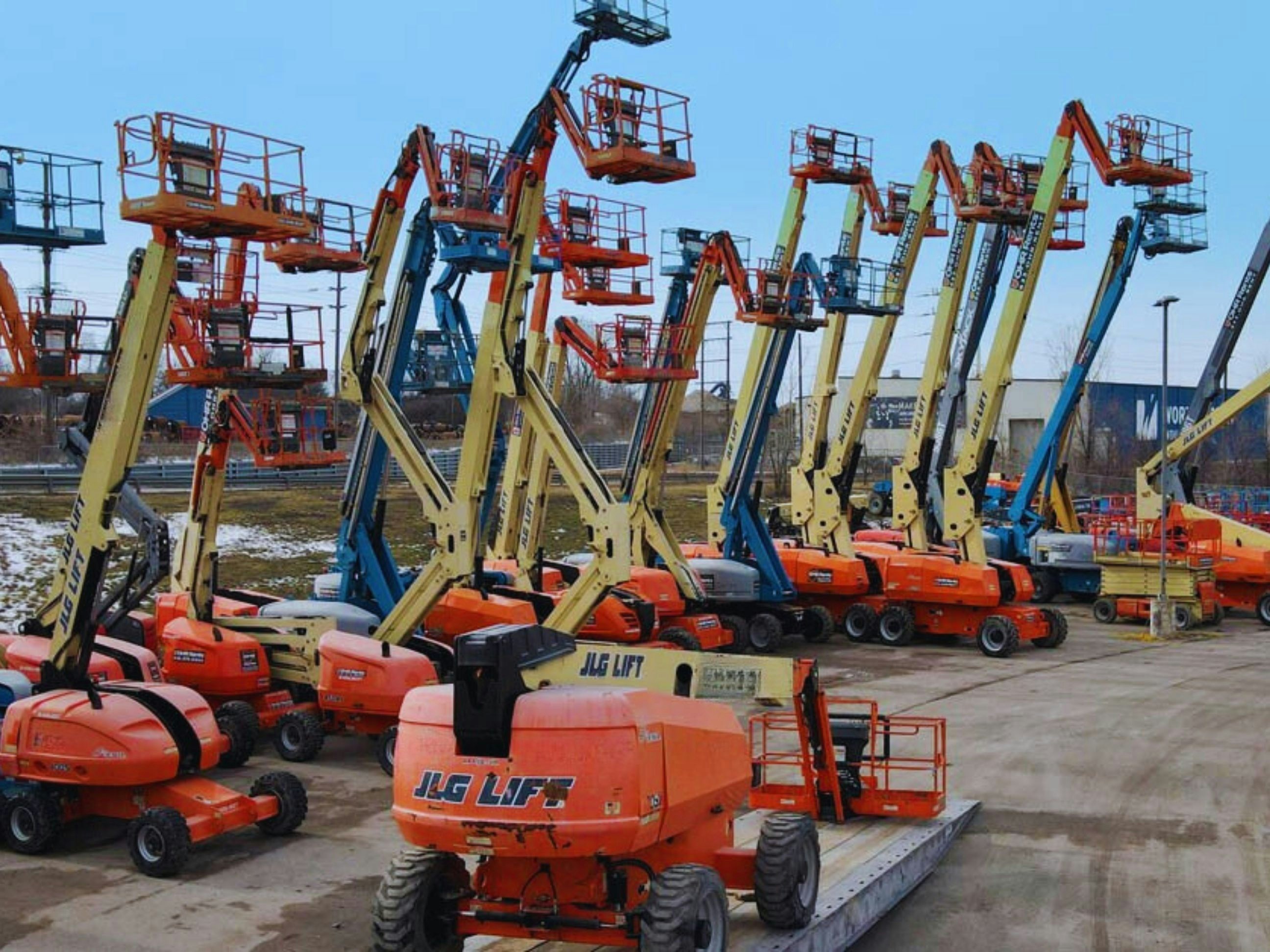
On construction sites, aerial lifts are commonly used for a variety of applications including electrical installation, building maintenance, painting, roofing and structural work. These machines enable workers to safely access higher elevations but can result in a serious risk when setup incorrectly. An improper lift can cause the load to tip over, collapse, hit an overhead hazard or cause a worker to fall.
If an accident happens, figuring out who was at fault will be very complicated. Who provided the equipment, who was in charge of the work site, who set up the equipment, or if the proper safety measures were not taken may be responsible.
What is a poor Aerial Lift Setup?
The set-up can include several errors. A lift can be placed on unstable or uneven ground, over near a slope or excavation and without correct deployment of outriggers. Additional issues may be operating above the equipment’s capacity, not inspecting the work area or deploying the lift near overhead power lines.
OSHA suggests conducting a job-site inspection for hazards like unstable surfaces, holes, slopes, overhead power lines, obstructions, etc. before using an aerial lift. In addition, employers should also verify that equipment is checked before use and that employees are aware of the equipment’s operating conditions.
These measures are essential as even the correctly operating aerial lift can be unsafe if it is not positioned correctly.
When is the Employer Responsible?
Where the accident was caused by inadequate training, supervision, inspection or safety procedures the construction employer will have considerable responsibility.
By convention, employers are expected to offer the proper training and make sure workers use equipment in a safe manner in accordance with the manufacturer’s instructions and standards for safety. Other issues covered by OSHA’s construction requirements include authorized operation, daily control testing, load limits, and fall protection.
However, if an employer allows an untrained worker to use an aerial lift or knowingly uses a lift on an unsafe surface, this could be a factor in determining liability.
But an employer is not necessarily liable for all aerial lift accidents. The facts in each case and the state law must be taken into account.
Is a Rental Company liable?
An equipment rental company can be liable for a claim if their rental equipment is defective or not maintained properly, and plays a role in an accident. Records of maintenance, inspection and rental can provide evidence of whether the equipment has been maintained and inspected in line with operator’s requirements prior to arriving at the site.
But renting the lift does not imply that the rental company is responsible for the way the lift is set-up or used by the customer.
If contractors require temporary equipment for elevated work, an aerial lift rental could allow them to access the equipment they need without the expense of ownership. However, choosing the right lift is a very significant safety decision. Before renting equipment, contractors should keep the following factors in mind: working height, horizontal reach, platform capacity, terrain and ground conditions, and other site-specific needs.
What About the Operator?
Operators also have responsibilities with the use of aerial lifts. They should be restricted to load limits, follow manufacturer’s instructions, make necessary inspections and wear appropriate fall-protection equipment.
Unsafe practices like standing on platform rails, or using ladders or other means to reach greater heights, are not allowed by OSHA. It is also important to be mindful of overhead hazards and other workers or equipment that is nearby.
An operator who knowingly disregards safety measures may be a contributing cause to an accident. But employers can still be held liable if the operator is not properly trained, not adequately supervised or encouraged to work in an unsafe manner.
General Contractors and Subcontractors
Many construction projects are undertaken by multiple companies and this can also make liability easier. A general contractor can use a subcontractor to complete the electrical, roofing, maintenance or other activities that are at height.
The subcontractor may have control over the subcontractor’s employees and equipment, and the general contractor may be responsible for coordinating the overall site and known hazards. Because of these considerations, contracts, safety policies, supervision and evidence of the person in control of the work area can prove to be significant when determining responsibility.
Depending on the circumstances, more than one party can have liability.
There is evidence that can determine responsibility
Preservation of evidence is important after an aerial lift accident. Records that can be useful include:
- Record of equipment inspections and maintenance.
- Rental agreements
- Operator training records
- Manufacturer instructions
- Photographs and videos of the worksites
- Safety meeting records
- Job hazard analyses
- Witness statements
- Accident reports
Photographs of the lift’s position, ground conditions, outriggers, near by structures and overhead hazards can be of great value as the worksite may change after an accident.
Reduce Liability by Practicing Better Safety Practices
The most effective solution to aerial lift liability is to not set up unsafe conditions in the first place. Construction teams should carry out a site inspection, ensure that the equipment used is suitable for the job, assess the ground and consider overhead hazards before operating a lift and ensure that the operator has received appropriate training.
Employers are also responsible for maintaining equipment and taking out of service any equipment that is defective until it is repaired. Frequent safety meetings and job hazard analyses are crucial for spotting the problem early before it becomes a hazard.
In the end, it is not just about who owned the equipment and determining who was at fault can involve examining the whole situation. Depending on the situation, the responsibility of each of the following parties may differ: Employers, contractors, subcontractors, rental companies, operators, and manufacturers.
Construction accident laws differ from state to state, so it is important for injured workers to keep any evidence that may arise and to seek the counsel of a skilled lawyer in the jurisdiction where the accident occurred. By thoroughly investigating the incident, it’s possible to establish who was responsible for the unsafe condition, and if that was a contributing factor, the accident.
Join the conversation!