
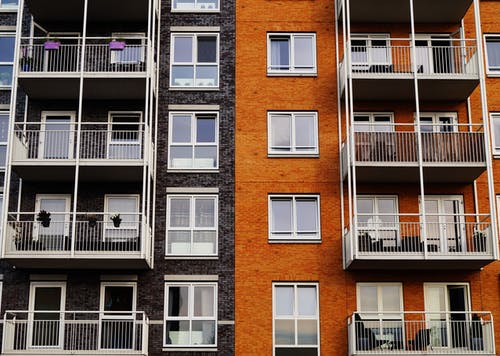
Clear rules, open communication, and shared effort make repair responsibilities easy to manage.
Have you ever asked yourself who should handle a repair in a rental home, the landlord or the tenant?
It’s a common question in rental life. When something needs fixing, both sides want clarity. The good thing is that rental laws and agreements usually explain responsibilities clearly. When everyone understands their role, things stay smooth and respectful.
Repairs are a normal part of living in any property. Over time, small fixes and regular upkeep are expected. Legal guidelines are there to keep things balanced and fair.
They help landlords maintain safe housing and allow tenants to enjoy a comfortable home. When both sides follow the agreement and local rules, it creates a healthy rental relationship.
Understanding Basic Legal Responsibilities
Rental laws in many regions share similar principles. Landlords are responsible for keeping the property in good living condition, and tenants are responsible for taking care of the space they use. These rules are usually written in the lease agreement, which works as the main reference point for both sides.
The goal of these laws is simple. They make sure the property remains safe, clean, and suitable for living. They also make sure responsibilities are shared practically.
Landlord Responsibilities For Major Repairs
Landlords usually handle repairs that affect the structure and main systems of the property. These include things that keep the home functional and comfortable. For example, issues related to plumbing systems, electrical wiring, roofing, and heating systems are generally part of the landlord’s responsibility.
If a pipe inside the wall needs fixing or the electrical panel needs attention, it falls under the landlord’s duty. The idea is that landlords maintain the overall structure and core systems because they own the property.
In most legal systems, landlords are also responsible for ensuring the property meets basic safety standards. This includes working locks, safe staircases, and proper ventilation. Keeping these elements in good condition supports a positive living environment.
Tenant Responsibilities For Daily Care
Tenants also play an important role in maintaining the property. Daily use means small responsibilities naturally fall on them. Simple things like replacing light bulbs, keeping the space clean, and handling minor wear are usually part of tenant care.
If something happens due to regular use, tenants are expected to manage small fixes within reason. For example, tightening a loose cabinet handle or changing batteries in smoke alarms can be considered part of routine upkeep.
Tenants are also expected to use the property responsibly. Taking care of appliances, avoiding misuse, and reporting issues on time helps keep the home in good condition.
What The Lease Agreement Says
The lease agreement is the main document that clearly defines repair responsibilities. It outlines what the landlord agrees to maintain and what the tenant agrees to manage. Reading this document carefully helps avoid confusion later.
Every rental agreement may have slight differences, but most follow similar patterns. Clear wording in the contract supports smooth communication between both sides.
Why Clear Communication Matters
Open communication is key in rental relationships. If something needs attention, informing the other party early helps keep everything organized. Many landlords encourage tenants to submit maintenance requests through written communication so there is a proper record.
When a tenant reports an issue clearly, it helps the landlord arrange repairs quickly. On the other hand, landlords who respond in a timely and supportive manner create trust and comfort.
Common Types Of Repairs And Who Handles Them
It helps to look at practical examples. This makes things easier to understand in daily life.
Structural repairs such as roof leaks, foundation concerns, or external wall damage are generally handled by the landlord. These relate to the building itself.
Plumbing system repairs, such as fixing pipes or addressing water supply systems, are also commonly the landlord’s duty, as long as the issue is not caused by misuse.
Electrical system repairs, including wiring and circuit issues, are typically part of the landlord’s responsibility.
On the tenant side, small maintenance tasks like cleaning drains, keeping fixtures in good condition, and handling everyday cleanliness are usually expected.
If an appliance was provided by the landlord as part of the rental agreement, its repair often falls under the landlord’s care. However, if a tenant brings their own appliance, they manage its upkeep.
Legal Balance And Fairness
Rental laws aim to create balance. The property owner ensures that the building remains safe and functional. The tenant ensures that daily use is responsible and respectful.
Respecting Each Other’s Roles
When both sides understand their role, repairs become less stressful. If a tenant notices an issue and reports it early, the landlord can plan the repair without delay. Early reporting keeps problems small and manageable.
Landlords who schedule repairs properly show commitment to maintaining quality housing. Tenants who keep the home clean and report issues on time support the overall care of the property.
Handling Repairs In A Practical Way
In real life, not every situation fits perfectly into a rule. That is why communication and common sense matter. Many landlords and tenants work together to find simple solutions.
Steps That Help Keep Things Smooth
First, always check the lease agreement. It usually explains who handles what.
Second, communicate clearly. Describe the issue properly so there is no confusion.
Third, keep records. Written messages or emails help both sides remember details.
Fourth, allow a reasonable time for repairs. Landlords often need to arrange professionals, so a little coordination helps.
Building A Positive Rental Experience
Repairs are part of property life. Instead of seeing them as problems, they can be seen as routine care of the home. When handled properly, they strengthen trust between landlord and tenant.
Creating Long-Term Clarity
Clarity is the foundation of a stable rental experience. When both sides know their responsibilities, daily living feels calm. Tenants enjoy a safe and comfortable space. Landlords feel confident that their property is respected.
Simple habits like regular communication, quick reporting, and fair handling of repairs create a healthy environment. Over time, this understanding builds mutual respect.
Rental laws and agreements are there to guide both sides. They are not complicated when explained in simple words. Landlords handle structural and system-related repairs. Tenants handle daily care and minor upkeep. Together, this balance keeps the property in good shape.
At the end of the day, a rental home works best when both landlord and tenant act responsibly and thoughtfully. Clear rules, open communication, and shared effort make repair responsibilities easy to manage. When everyone understands their part, the rental experience feels stable, comfortable, and well-organized.
Join the conversation!