
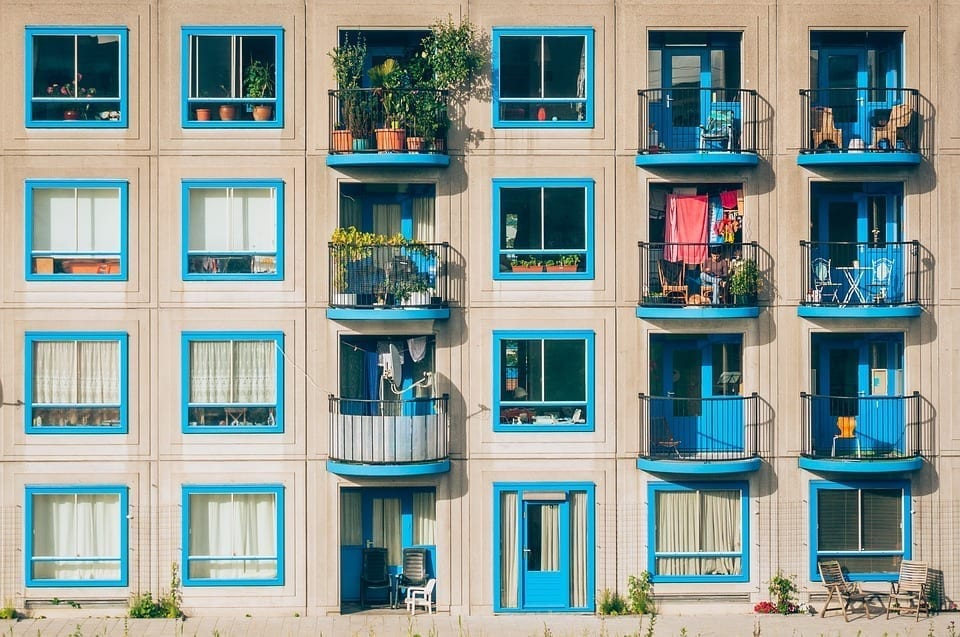
When you know your rights and responsibilities as a tenant, you can take steps to sort out repair issues that come up and avoid unnecessary stress.
70% of tenants are happy with their landlord’s service overall, but problems do still happen. In fact, government research shows that around 15% of rental units in the U.S. have significant maintenance issues, like no heat or water, or even rodent infestations. Landlords have a duty to keep their properties in good repair, especially when tenant health or safety is at risk. The good news is that when you know your rights and responsibilities as a tenant, it can be easier to get emergencies handled fast and without too much stress.
What’s the landlord responsible for?
Landlords in all states are legally required to handle rental property maintenance and repairs. That obligation falls under state law, which includes what’s known as the implied warranty of habitability. This is essentially a guarantee that rental homes remain safe and liveable for tenants. Although state laws vary in how exactly they define “liveable”, landlords are generally required to fix issues that affect tenants’ health and safety. This includes emergencies like burst pipes and no heating, for example. Once notified of an emergency, landlords must act fast to address the issue within a reasonable timeframe.
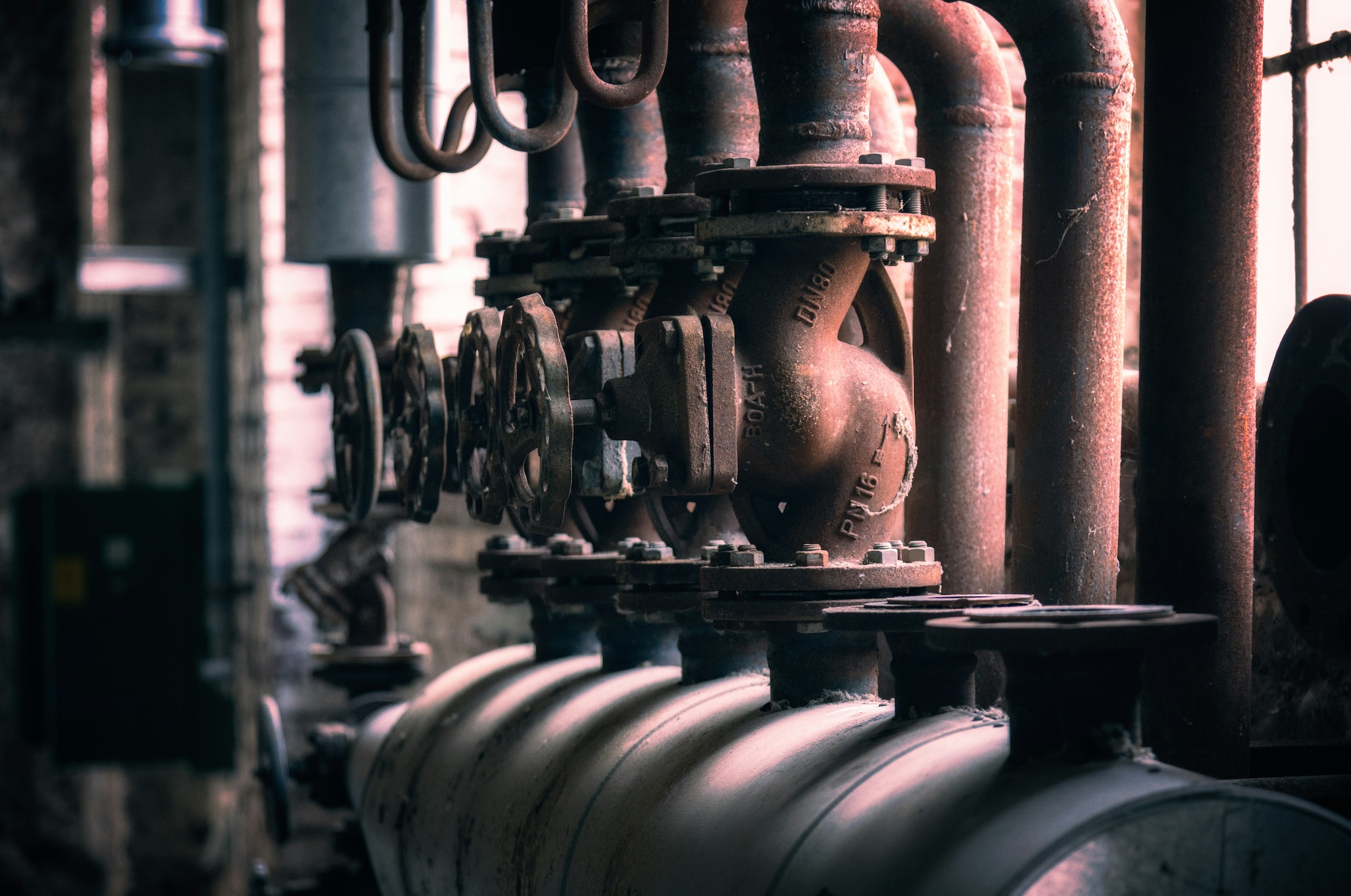
Beyond emergencies, landlords must also handle routine maintenance to prevent minor issues from escalating into major ones. A common maintenance issue that can quickly turn into an emergency is a failing boiler. In fact, research shows that 80% of boiler breakdowns leave people without heat or hot water for at least a day. For this reason, industry professionals recommend a boiler service at least once a year to prevent unexpected breakdowns. It also helps landlords meet their legal obligations to tenants and avoid costly emergency repairs.
Tenant responsibilities (and when to report damage)
Tenants also have a responsibility to keep their rental in good condition. As part of this, you should make repairs to fix any damage you cause (this means damage that’s more than the usual deterioration that naturally happens over time). If you cause damage, you’re liable for the cost of repairs. Most leases also say the tenant should let the landlord know about any damage, so they can inspect it and arrange repairs. The landlord might also use your security deposit to cover the cost of repairs, but that’s only if the lease and local laws allow it. Along the same lines, you should also report other maintenance issues and emergencies to the landlord right away. Again, this is usually spelled out in the lease and state law.
What tenants can do when landlords fail to repair
Landlords are generally expected to fix problems in a timely manner, based on the nature of the issue and local laws or the terms of the lease. If it’s a serious emergency like a gas or water leak, they usually need to act fast to resolve it, within 24-48 hours. Less pressing issues can be left for a bit longer, but usually should be dealt with within a few days to several weeks. If the landlord fails to fix things in the expected timeframe, tenants in many states have another option: repair and deduct. This rule in landlord-tenant law lets tenants subtract the cost of repairs from their next rent payment.
Specifics about how this law applies vary from state to state. In California, for instance, tenants can use repair-and-deduct twice in one year, but they need to give written notice first, and costs deducted can’t exceed more than a month’s rent. In Texas, on the other hand, tenants may deduct up to one month’s rent or $500 (whichever is greater) from their next rent payment to cover the cost of eligible repairs after written notice. Tenants in Texas may also be able to break their lease if the landlord doesn’t make repairs within a reasonable timeframe. Even in states without repair-and-deduct, you may be able to break your lease or use civil action to recover damages. To protect yourself, no matter where you reside, you should ideally check the state law or talk to a lawyer before you act.
Everyone deserves a safe and comfortable place to live where repairs and maintenance are a given. When you know your rights and responsibilities as a tenant, you can take steps to sort out repair issues that come up and avoid unnecessary stress.
Join the conversation!