
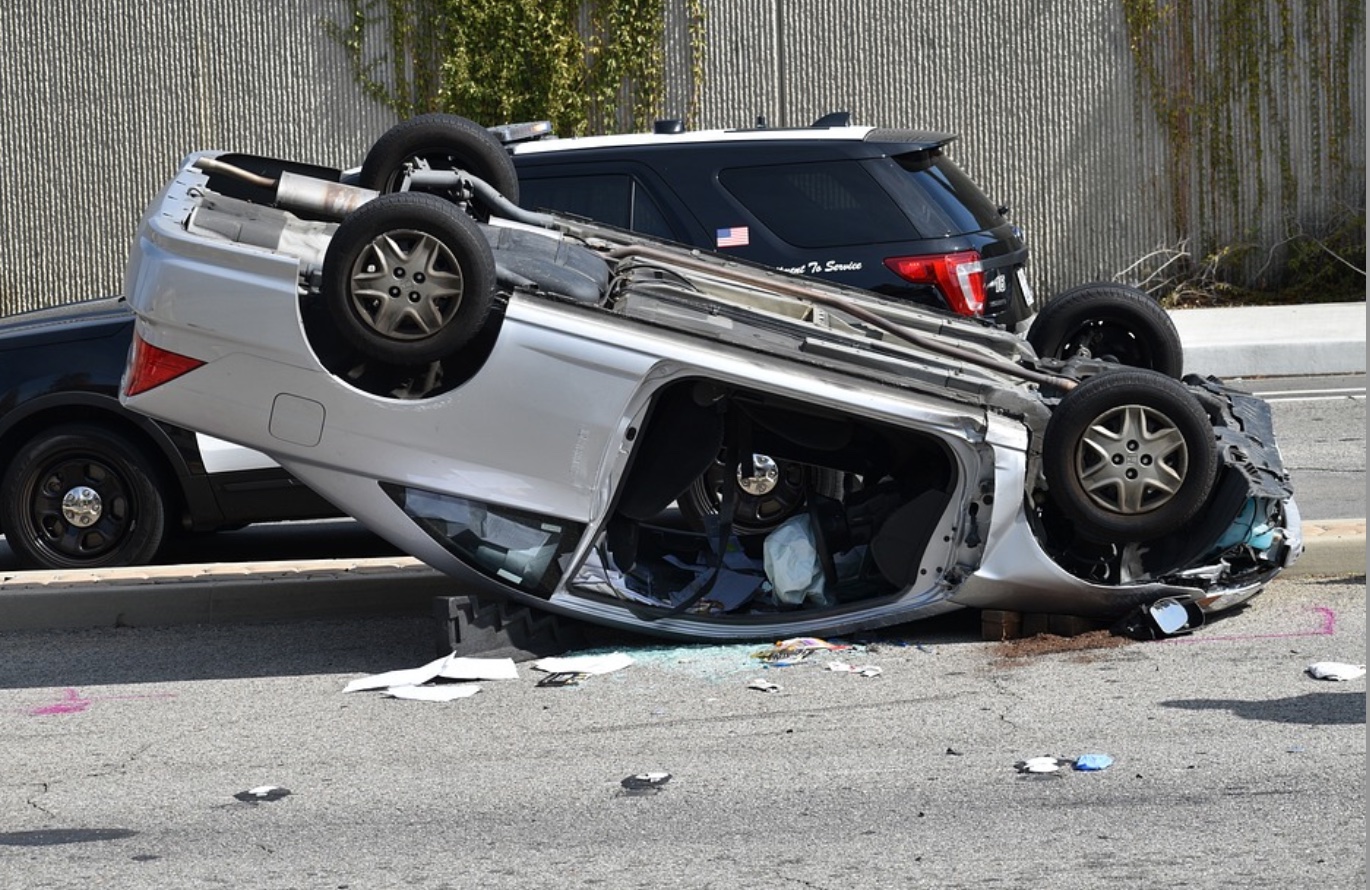
Until meaningful change is made, families will continue to face not only heartbreaking loss, but a long and complicated path through the legal system.
Every year, tens of thousands of people lose their lives on American roads. In 2022 alone, nearly 42,800 people died in motor vehicle accidents in the United States.
While this was a slight drop from the year before, the U.S. remains an outlier when compared to other developed nations. In fact, when examining car crash deaths per year worldwide, the U.S. consistently ranks among the most dangerous countries for drivers, passengers, pedestrians, and cyclists alike.
But why does the legal process following these crashes feel just as daunting as the crash itself? The answer lies in the complex, often overwhelming nature of fatal car crash litigation in the United States.
Multiple Parties, Conflicting Interests
Unlike a fender-bender involving two drivers and a straightforward insurance claim, fatal crashes often involve layers of liability.
In addition to the driver who may have caused the crash, fault could also lie with:
- An employer (if the driver was on the clock)
- A car manufacturer (if there was a mechanical failure)
- A government entity (for poorly maintained or dangerously designed roads)
- A rideshare company, contractor, or other third party
- A tech company or autonomous vehicle developer (if the crash involved self-driving technology)
The number of potential defendants can make it difficult for victims’ families to know who to hold accountable and how to do so.
Insurance Companies Are Not on Your Side
Insurance companies have a legal obligation to defend their policyholders, but that doesn’t mean they’re looking out for the victims. In cases involving wrongful death, the financial stakes are high, and insurers often push back hard against claims.
They may:
- Deny liability outright
- Downplay the value of the claim
- Attempt to shift blame to the deceased
- Offer lowball settlements early, before families understand the full value of their case
For grieving families, fighting with a billion-dollar insurance company can feel impossible, especially when they’re also facing funeral expenses, lost income, and emotional trauma.
State Laws Add Another Layer of Difficulty
One of the biggest legal hurdles in fatal crash litigation is the lack of consistency across state lines. Each state has its own rules governing wrongful death claims, including:
- Who is eligible to file (spouse, children, parents, estate representative)
- What types of damages can be recovered (economic loss, pain and suffering, loss of companionship)
- The statute of limitations (which can vary from one to several years)
These complex laws can make legal outcomes wildly different depending on where the crash occurred, even if the facts are nearly identical.
The Emotional Toll of Proving a Case
Fatal car crash cases are also deeply personal and emotionally taxing. The person most able to explain what happened is no longer alive.
That means families and attorneys must rely on accident reconstruction specialists, eyewitnesses, vehicle data recorders, surveillance footage, and police reports to piece together what happened.
And yet, they must also relive the trauma of their loss while navigating depositions, court appearances, and legal battles that can stretch on for years.
Why the U.S. Falls Behind
The high number of fatal crashes and the volume of resulting litigation also reflect a broader issue: road safety in the U.S. remains alarmingly poor compared to other wealthy nations.

While yearly car accident deaths have dropped dramatically in places like Spain, Germany, and Japan, the U.S. has seen only modest progress since the 1990s.
Contributing factors include:
- A car-centric culture that deprioritizes pedestrian and cyclist safety
- Limited investment in public transportation
- Inconsistent enforcement of traffic safety laws
- A fragmented civil justice system that leaves many families without clear answers
What Needs to Change
If the U.S. hopes to lower its road death rate and ease the legal burden on victims’ families, it will require a combination of better infrastructure, stronger safety regulations, and more victim-centered legal reforms.
At the same time, families navigating these cases deserve better support. That means access to experienced legal professionals, streamlined court procedures, and more transparency in the insurance claims process.
Behind every fatal crash statistic is a devastated family left to fight for answers and justice. While many countries are making progress, the U.S. continues to lag behind both in road safety and in the systems meant to support victims after a tragedy.
Until meaningful change is made, families will continue to face not only heartbreaking loss, but a long and complicated path through the legal system.
Join the conversation!