
Property insurance claims can be denied for a variety of reasons, including missing documentation, policy exclusions, or delayed reporting.
Property insurance is designed to protect homeowners and property owners against unexpected damage. Whether it’s a storm, fire, or sudden structural issue, insurance coverage is supposed to provide financial relief during stressful situations. However, many claims don’t get approved as easily as people expect.
In areas like Miami, where severe weather and property risks are more common, insurance claims can become complicated quickly. Policies often contain detailed requirements, and insurance companies carefully review every claim before approving compensation. When certain details are missing or policies are misunderstood, claims may be delayed or denied altogether.
So, without further ado, let’s look at several factors that frequently lead to denied claims.
1. Damage Not Covered by the Policy
One of the most common reasons insurance claims are denied is simply because the damage falls outside the policy’s coverage. Many homeowners assume their insurance covers all types of damage, but policies often include exclusions.
For example, flooding, earthquakes, gradual wear and tear, or maintenance-related damage may not be included in standard coverage. Unless additional policies or endorsements were purchased, the insurer may reject the claim.
This is why reviewing policy details regularly is important. Understanding coverage limits and exclusions before an incident occurs can prevent confusion later.
2. Lack of Proper Documentation
Insurance companies rely heavily on documentation when evaluating claims. Without clear evidence, it becomes difficult for adjusters to verify what happened or determine how severe the damage actually is.
That’s where proper documentation helps prove both the cause and extent of property damage. Photographs taken immediately after the incident, contractor estimates, and written records all support the legitimacy of a claim.
This is also where legal guidance can become valuable. Legal guidance can also help strengthen this process. In fact, according to an experienced property insurance claim lawyer in Miami, careful documentation is often a key part of building a solid claim. Attorneys who handle insurance disputes frequently assist with reviewing policy language, organizing supporting evidence, and communicating with insurance companies when questions arise. Firms such as Vargas Gonzalez Delombard often help clients evaluate denied or underpaid claims and address disputes with insurers, particularly when policies are complex or the damage is substantial.
3. Delayed Reporting of the Damage
Another common reason for claim denial is waiting too long to report damage. Most insurance policies require policyholders to notify the insurer within a reasonable timeframe after an incident occurs.
When reporting is delayed, insurance companies may argue that the damage worsened due to neglect or that the true cause of the loss cannot be verified. In storm-prone regions, this issue can arise frequently because damage may not be noticed immediately.
Reporting damage quickly allows adjusters to investigate while the evidence is still clear.
4. Maintenance Issues or Property Neglect
Insurance policies typically cover sudden and accidental damage, not problems caused by long-term neglect. For instance, if a roof has not been maintained for years and eventually fails during a storm, the insurer may argue that poor maintenance contributed to the damage.
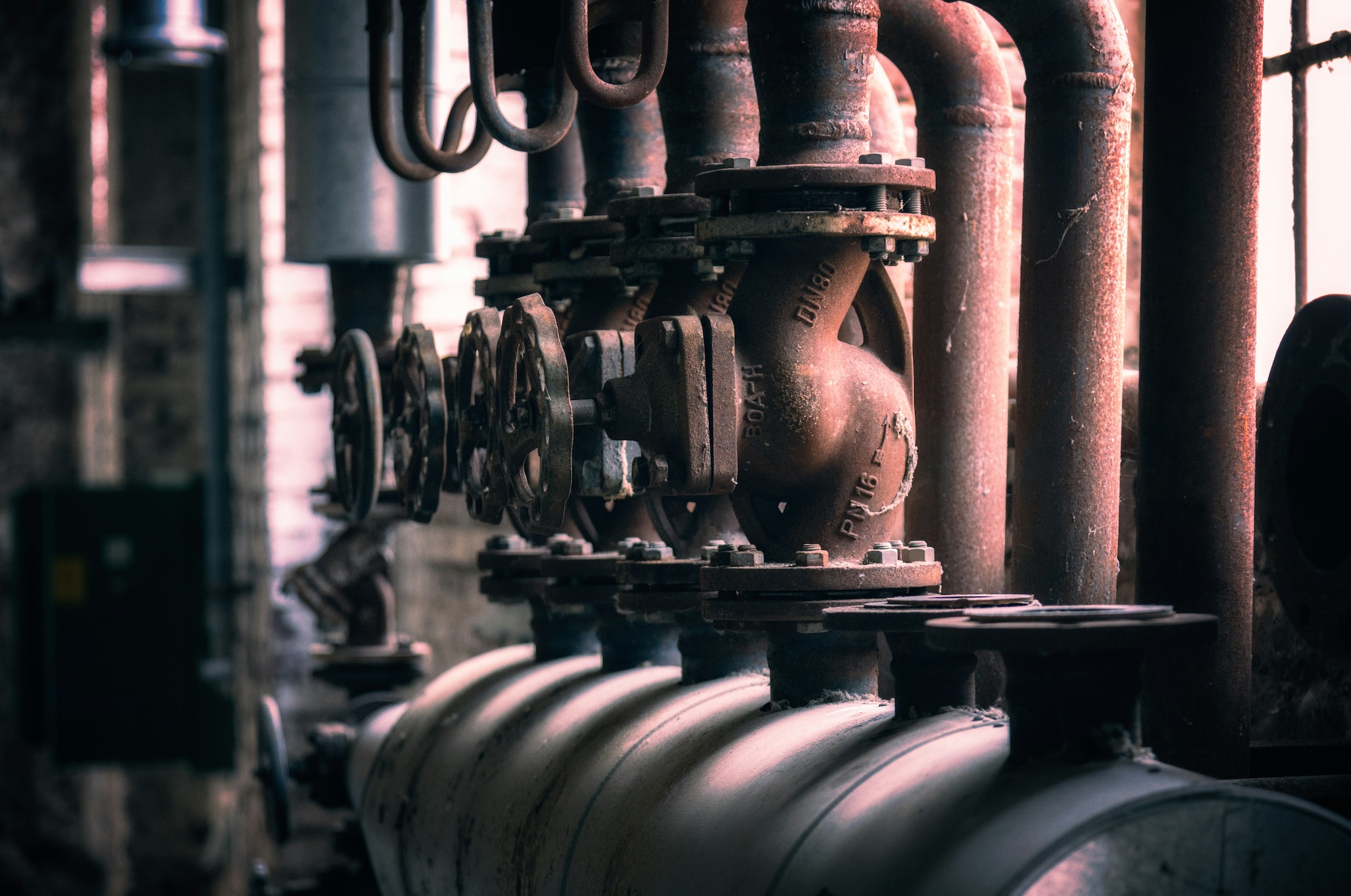
Similarly, plumbing leaks that develop gradually or structural problems that have existed for a long time may fall outside coverage. Insurance companies expect property owners to keep their buildings in reasonable condition.
Routine maintenance and inspections can reduce the risk of disputes when filing a claim.
5. Filing the Wrong Type of Claim
Insurance policies contain different categories of coverage. Filing a claim under the wrong category can lead to delays or denials.
For example, water damage from plumbing issues may be treated differently from flood damage caused by natural disasters. If the policyholder misunderstands the coverage type, the insurer may reject the request.
Understanding how the policy defines different types of damage helps avoid these mistakes.
6. Suspicion of Fraud or Inconsistent Information
Insurance companies investigate claims carefully, especially when the information provided appears inconsistent. If repair estimates vary widely, statements conflict, or damage appears exaggerated, insurers may flag the claim for further review.
In these cases, adjusters may conduct additional inspections or request more documentation. While investigations are a normal part of the process, they can delay the claim and, in some cases, result in denial.
Accuracy and transparency throughout the claims process are essential.
7. Policy Lapse or Missed Payments
Insurance coverage only applies when a policy is active. If premium payments were missed or the policy lapsed before the damage occurred, the insurer may deny the claim in its entirety.
Sometimes, policyholders are unaware that their coverage has expired, particularly if billing notices were overlooked. Keeping payment records organized and regularly verifying policy status helps prevent this issue.
Conclusion
Property insurance claims can be denied for a variety of reasons, including missing documentation, policy exclusions, or delayed reporting. Understanding how insurers evaluate claims gives property owners a better chance of navigating the process successfully. By reviewing policy details, thoroughly documenting damage, and addressing issues promptly, property owners can reduce the risk of claim denials and better protect their property in the event of unexpected events.
Join the conversation!