

Loneliness and social isolation may reduce healthy life expectancy, particularly mental health years.
Loneliness and social isolation may shorten the number of years people live without serious physical or mental health problems, according to a new study from Tulane University. Researchers found that adults experiencing both conditions could lose nearly six years of life free from mental health disorders, while also facing fewer years without major physical illnesses. The findings add to growing concerns about the health effects of limited social contact and unsatisfying relationships. Although loneliness is often viewed as a personal or emotional struggle, researchers say it may also have lasting effects on physical and mental well-being.
An individual doesn’t have to be entirely alone to feel lonely. A 2023 report estimated that roughly half of American adults experienced loneliness, while nearly as many reported feeling socially isolated. Despite these figures, both conditions have received less attention as public health concerns than other known health risks. Researchers from Tulane University’s Celia Scott Weatherhead School of Public and Tropical Medicine examined how loneliness and social isolation relate to the number of years people can expect to live without certain major illnesses. The study, published in Nature Communications, provides new information about how these experiences may affect healthy life expectancy.
The team analyzed information from 277,489 adults between the ages of 40 and 69. At the beginning of the study, participants did not have any of seven major health conditions: diabetes, heart disease, lung disease, dementia, cancer, depression or anxiety. Using age 50 as a reference point, the researchers examined how loneliness and social isolation were associated with the number of years participants could expect to remain free from physical and mental illnesses.
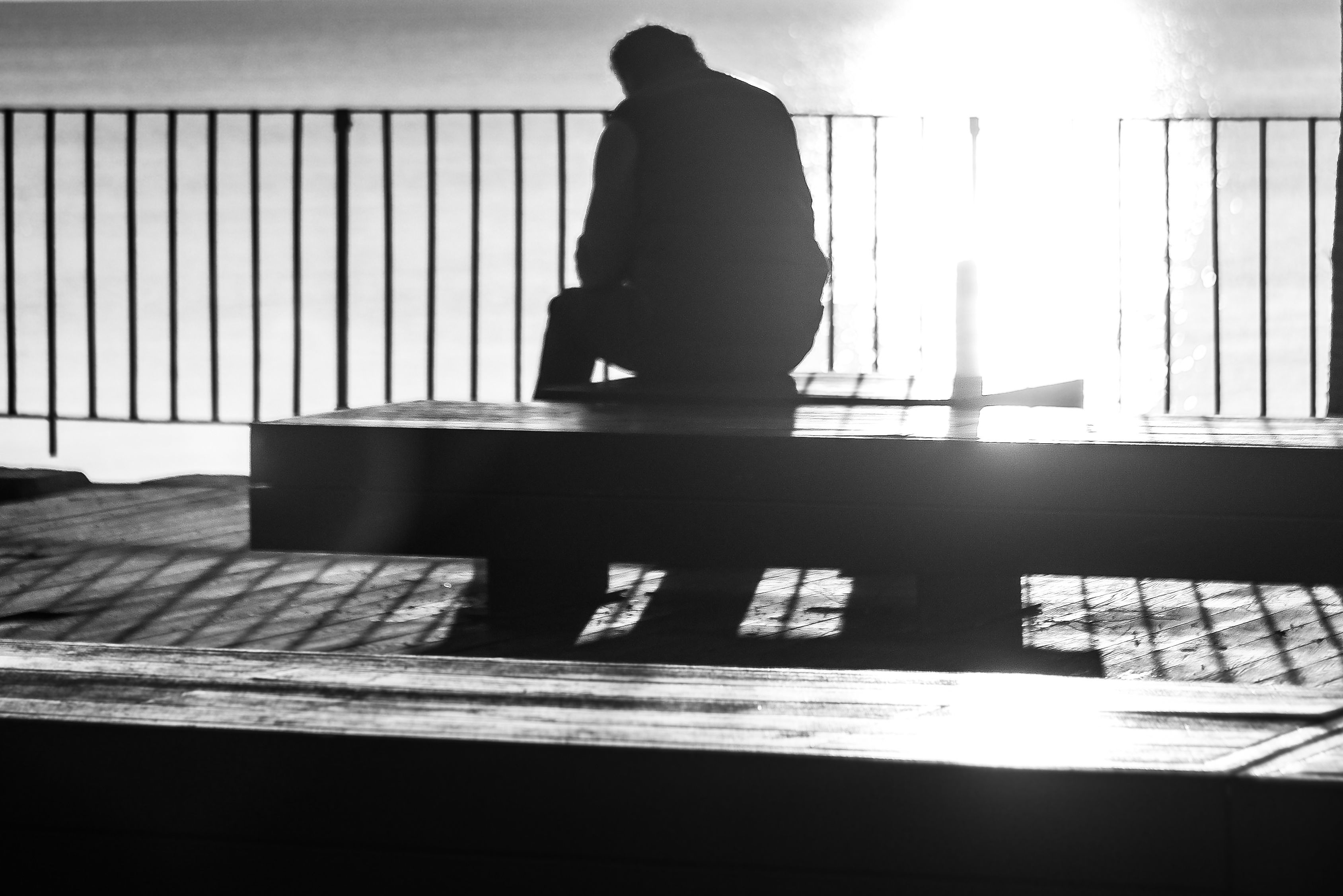
Although the two conditions are closely related, they describe different experiences. Social isolation refers to the amount of contact a person has with other people. Someone who lives alone, rarely sees friends or has few social connections may be considered socially isolated. Loneliness, on the other hand, describes how a person feels about their relationships. A person may have frequent contact with family members, coworkers or friends and still feel lonely if those relationships do not provide the closeness or support they need. The distinction matters because a person can experience one condition without necessarily experiencing the other. Researchers examined both experiences to better understand their separate and combined associations with health.
The results showed that people who experience both loneliness and social isolation had fewer expected years free from physical disease than those who experienced neither condition. Women in this group were estimated to have 2.4 fewer years without physical illness, while men had 1.7 fewer years. The differences were larger when researchers examined mental health. Women experiencing both conditions were estimated to lose approximately 3.7 years free from mental disorders. For men, the estimated loss was about 5.8 years.
The study’s lead author, Lu Qi, a professor at Tulane University and the HCA Regents Distinguished Chair, said the findings were consistent with earlier research linking loneliness and social isolation to early death. The study adds to that evidence by examining the number of years people may live without major physical and mental health conditions. Researchers also examined whether everyday health habits affected these associations. They considered factors such as diet, exercise, sleep and smoking.
The findings suggested that people with healthier lifestyles experienced a smaller loss of disease-free years associated with social isolation. This difference suggests that maintaining physical health may not fully address the emotional effects of feeling disconnected from others. Regular exercise, balanced meals and adequate sleep may support overall well-being, but they may not replace the need for meaningful relationships and emotional support. The researchers also reported differences between men and women. Men appeared to be more affected by loneliness, while women generally had longer life expectancy.
Future research will examine different groups of people and investigate whether loneliness and social isolation directly contribute to health problems. The research team also plans to explore these questions through clinical trials. For now, the findings suggest that social connection deserves greater attention in discussions about long-term health. Understanding how relationships, emotional well-being and daily habits interact may help researchers develop approaches that support healthier lives.
Sources:
Loneliness Erases Nearly 6 Healthy Years
Lonely? Socially isolated? It may cost you six healthy years of life.
Join the conversation!