
The grid may be unpredictable, but by fighting for your rights and knowing legal ways to cut costs, you can secure the future of your business and spark positive change in your community.
For rural small businesses already hanging by a thread, sudden spikes in grid tariffs are not just a monthly expense, but a real threat to their survival. Keeping the lights and power on has become the biggest single expense for these micro-enterprises, pushing them into a state of financial distress known as energy poverty. According to a recent study, electricity and gas take up 15 to 35 percent of a small business’s budget. The research also shows that more than 40 percent of what these businesses pay on their electric bills goes towards government taxes and additional fees, rather than the actual energy that they consume.
To avoid energy poverty, owners of rural micro businesses must act against sudden jumps in electricity prices to have security and longevity, and not just survive until the next billing cycle. If you’re running a rural small business, here’s how to fight unfair grid tariff spikes, and what you can do to cope with rising energy costs.
Why Take Action Against Sudden Energy Cost Hikes?
Rural small and medium businesses in the US are often left out of regulatory protections, and most of them absorb an unfair portion of electricity and infrastructure costs compared to larger corporations. The rapid expansion of AI data centers, for instance, requires massive power generation and grid upgrades. Typically, power companies divide the cost of these upgrades with all their regular customers. Larger companies can hire lawyers for special discount deals or ring-fenced tariffs, but most rural small business owners don’t have the capacity to hire legal teams to negotiate custom deals. As a result, these micro-enterprises end up paying for the majority of the cost of the infrastructure upgrades for these data centers, while the tech giants avoid paying their full share.
Also, unlike residential customers who pay strictly for the energy they consume, commercial grid tariffs come with heavy demand charges. These charges are based on a business’s peak rate of power consumption during a single 15- to 30-minute interval in a billing cycle, and the spike sets the price. For example, if an independent food processing plant typically uses a small amount of electricity every month, but turns on all its heavy machines at the exact same time for 30 minutes, then that one spike sets a high penalty fee for the entire month. These penalties or demand charges may account for 30 to 70 percent of a commercial customer’s total electricity bill.
The Right to Claim Tax Exemptions and Federal Energy Relief
Understanding energy rights and tariff structures not only protects your rural business from exploitation, but it also helps you find legal ways to save on electricity costs. As a rural small business owner, it’s important to know that there are no federal regulations that grant universal grid tariff exemptions for micro-enterprises in the US. However, if your business consumes a large amount of energy, you can still save on electricity costs through state tax exemptions and local relief initiatives. Most states, like North Dakota, Georgia, and Utah will grant a 100 percent sales tax exemption on the entire energy bill if more than 50 percent of the utility is used directly for production.

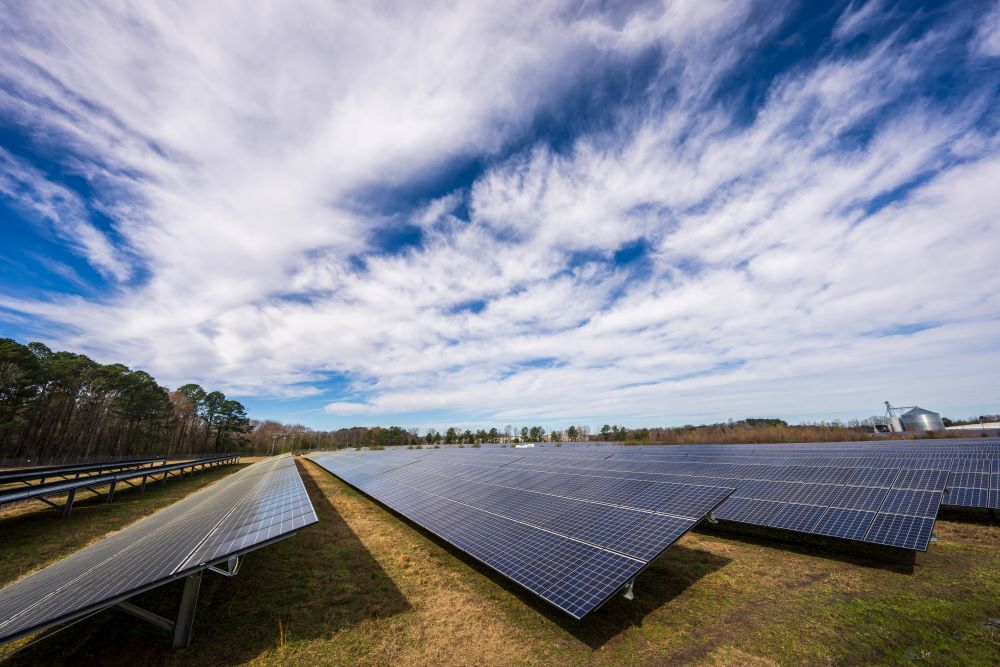
Another way to slash electricity bills is to switch to clean energy. Some small businesses like independent wineries are reducing energy costs by installing solar energy panels. Apart from reducing their carbon footprint, this shift also allows them to rise above the competition as there is a greater demand for sustainably made wines. In the US, switching to green energy frees you from the grid, and it also allows you to claim a federal tax credit up to 30 percent of the cost for installing clean energy systems like solar panels.
The Right to Dispute Incorrect Energy Charges
If your electricity bill seems to be incorrect or if you suspect fraudulent activity from your provider, you have every right to file an official dispute. There are well-documented cases of rural small businesses disputing energy charges across the country, and the disputes are typically caused by erroneous meter readings, extreme weather events, or third-party energy fraud.
In Allen, Texas, for instance, a small business owner received an astronomical $82,000 electricity bill from a time period when millions of people in the area actually had no power due to a winter storm. There was also an incident about nearly a decade ago wherein a tax accountant operating a small business in Arizona received three separate, simultaneous bills that totaled over $9,300 from the Arizona Public Service. The utility provider claimed that the meter was unreadable, despite the fact that it was working quite well.
If you suspect that there are errors in your bill, contact your utility provider immediately and state that you are formally disputing the charges. Then, request a meter check or an investigation. You can also file a complaint with your state’s regulatory body if your provider isn’t taking action.
Rural small businesses deserve to have affordable and reliable energy. The grid may be unpredictable, but by fighting for your rights and knowing legal ways to cut costs, you can secure the future of your business and spark positive change in your community.
Join the conversation!