
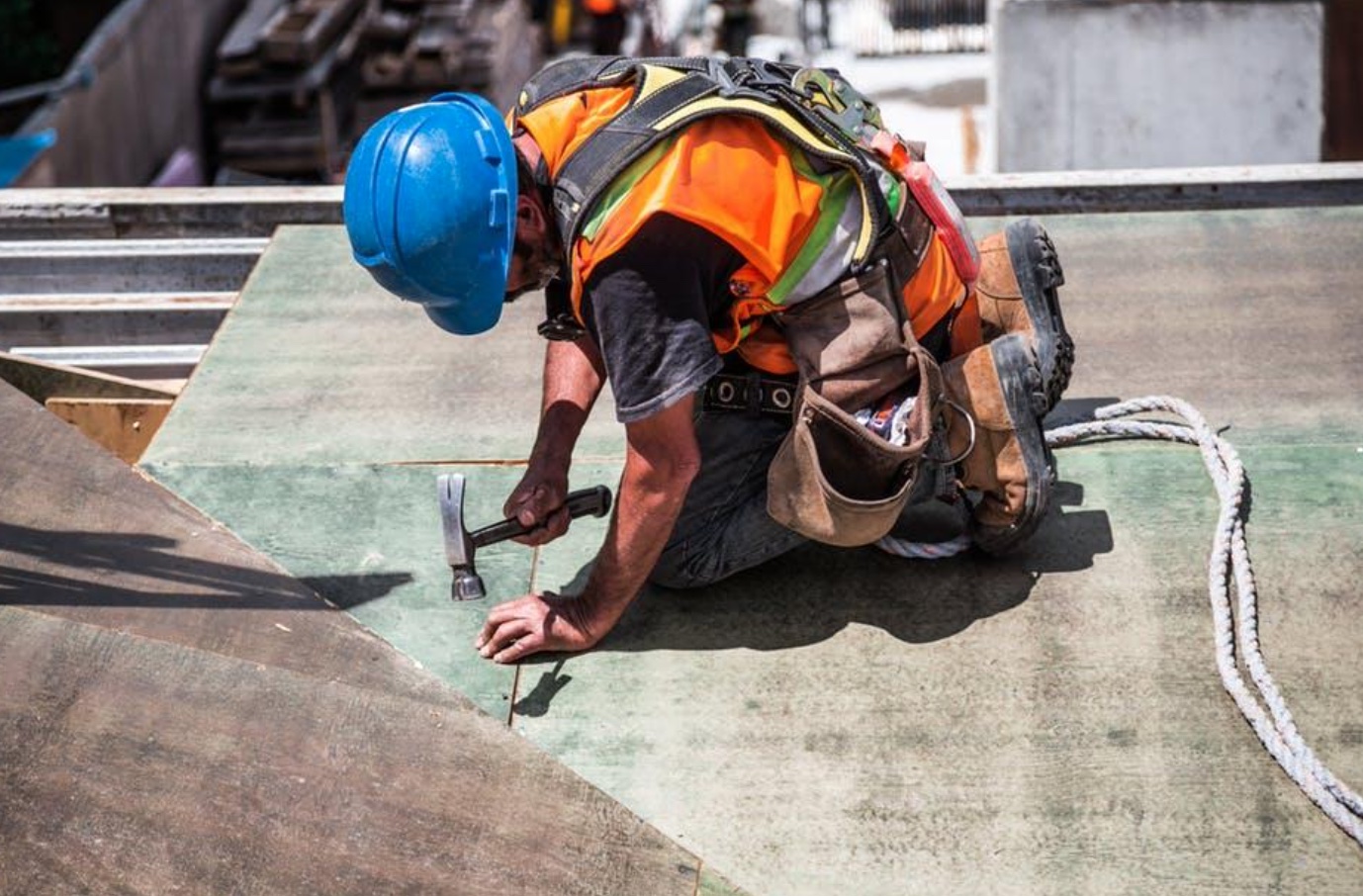
Most people focus on the earnings their jobs provide, rarely considering the inherent risk of injury that exists in any profession.
Construction is one of the most dangerous industries, where life-threatening risks are a daily reality. Working conditions and the level of employee protection depend on organizational structures. Undoubtedly, the presence or absence of a labor union is a decisive factor.
To illustrate, NYCOSH reports show that up to 86% of those killed on private job sites in New York are non-union workers. We understand that this form of employment directly affects a worker’s level of risk.
Our article aims to provide deep insights into the differences between unionized and non-unionized working conditions, the value of labor union and how it helps during workplace accidents. You will learn about construction accidents and pathways to securing equitable compensation.
Labor Union and Their Significance
A labor union is an association that unites employees to safeguard their rights at work. Their aim is to confront management collectively rather than individually.
Unions exist to balance the power between workers and employers. In isolation, workers lack the leverage to protect their rights and challenge management; it is far more effective to have an organization that provides reliable support.
“Unions advocate for workers to ensure they have compensation, safe working conditions, reasonable hours, paid leave, and job security,” said the attorney Brian White. “They also negotiate with employers to establish agreements that benefit all members. This helps set transparent standards and prevents arbitrary changes or unfair treatment.”
Furthermore, a great advantage of union membership is full representation of its constituents during disputes involving wrongful termination, discrimination, or labor law violations. They strive to ensure all workers receive fair treatment and comply with the law.
Labor unions provide strength in numbers, fostering workplace stability and guaranteeing that all concerns are effectively addressed.
Construction Accidents and Safety Risks
Compared with other fields, the construction industry is considered one of the highest-risk sectors due to the high volume of potential occupational hazards. They involve high-altitude tasks, heavy equipment operation, and restricted-space environments.
As a rule, union members are less likely to sustain injuries on construction sites because they benefit from mandatory safety training, rigorous compliance protocols, and access to essential protective equipment (PPE).
Conversely, workers in non-unionized environments face a higher risk of workplace accidents with severe, long-term implications.
The Benton Law Firm data reports that workplaces with a strong union presence have fewer safety violations and breaches of industry standards. This indicates a higher level of occupational health and safety (OHS) compliance than non-union counterparts.
Below is a list of the most common types of construction accidents:
- Falls from heights
- Struck by objects or equipment
- Caught in or between objects
- Electrocutions
- Machinery and equipment accidents
- Trench or structural collapses
- Fires and explosions
- Slips and trips
- Exposure to hazardous substances
If you or someone you know has been involved in a workplace accident, be aware that you have the right to claim compensation, irrespective of your union membership status.
Compensation Options for Injured Construction Workers
When it comes to getting compensation, the distinction between union members and non-union workers plays a major role. For union members, the terms of protection are outlined and strictly enforced. Their agreements often include provisions for greater injury compensation, including higher disability payments, additional medical support, and a streamlined claims process.
It is common for such organizations to provide legal counsel and represent the interests of injured workers throughout the legal process. However, unionized workers are often far better informed about their rights, which helps prevent their claims from being rejected or underpaid.
For the sake of objectivity, non-union workers are entitled to compensation as well, but they struggle with complex paperwork and procedural delays. In other words, they must independently handle injury reporting, collect all medical evidence, and manage all communications with insurance adjusters.
Obviously, lacking representation, employees may overlook potential entitlements. These informational gaps lead to underpayment or the loss of certain compensation components. Especially if the employer actively tries to downplay the situation to avoid full financial responsibility.
Additional Compensation and Third-Party Claims
An injured worker may receive additional compensation beyond standard workers’ benefits if a third party is liable for the accident. This situation is frequent in multi-employer environments where various contractors operate alongside machinery leased from external companies.
Third parties can be subcontractors, site owners, or equipment rental firms. This category further encompasses manufacturers and suppliers of tools and machinery.
Thus, if an accident results from faulty scaffolding installation, the installation contractor could be responsible. Similarly, if the cause is a defective hoist or safety gear, a lawsuit against the manufacturer or vendor is possible.
“It is worth noting that a third-party claim provides access to broader compensation,” said Adam Zayed, Founder of Zayed Law Offices. “This includes not only medical bills and lost income but also non-economic damages, such as pain and suffering and emotional trauma. For catastrophic injuries, such claims can significantly exceed basic insurance payouts.”
Getting extra compensation does not preclude the right to standard benefits, though there is an interaction between the two systems. Insurers might request a refund of benefits paid if the employee wins a third-party lawsuit. They consider this when distributing the final sum.
One should realize that to pursue these claims, legal experts must conduct a detailed investigation into the accident, establish specific third-party liability, and compile robust evidence. This is the reason why injured workers frequently seek legal counsel from attorneys specializing in construction injuries and third-party claims.
When to Contact a Construction Accident Lawyer
People should immediately contact a construction accident lawyer after an accident occurs. Especially when medical treatment is necessary or impairs the ability to perform regular work duties. An attorney will conduct a detailed case review to discuss your legal options.

Seeking legal counsel is advisable when facing delayed payments or attempts to minimize compensation. An accident lawyer will instruct and help gather evidence, record the details of the event, and guarantee compliance with all legal procedures.
Don’t put off consulting a specialist, even if the injury is minor. It will be essential to verify the accuracy of your application and look over all possible payments.
Not everyone can navigate complex bureaucratic requirements on their own. One improperly drafted form could cost you rightful compensation. Try not to postpone addressing these concerns through professional guidance.
Conclusion
Most people focus on the earnings their jobs provide, rarely considering the inherent risk of injury that exists in any profession. No matter whether you’re a part of the union or not, you should be aware of your rights and the full scope of benefits you can claim after an incident on the job. A construction accident lawyer will be your guide, helping you obtain the maximum compensation possible.
Join the conversation!