
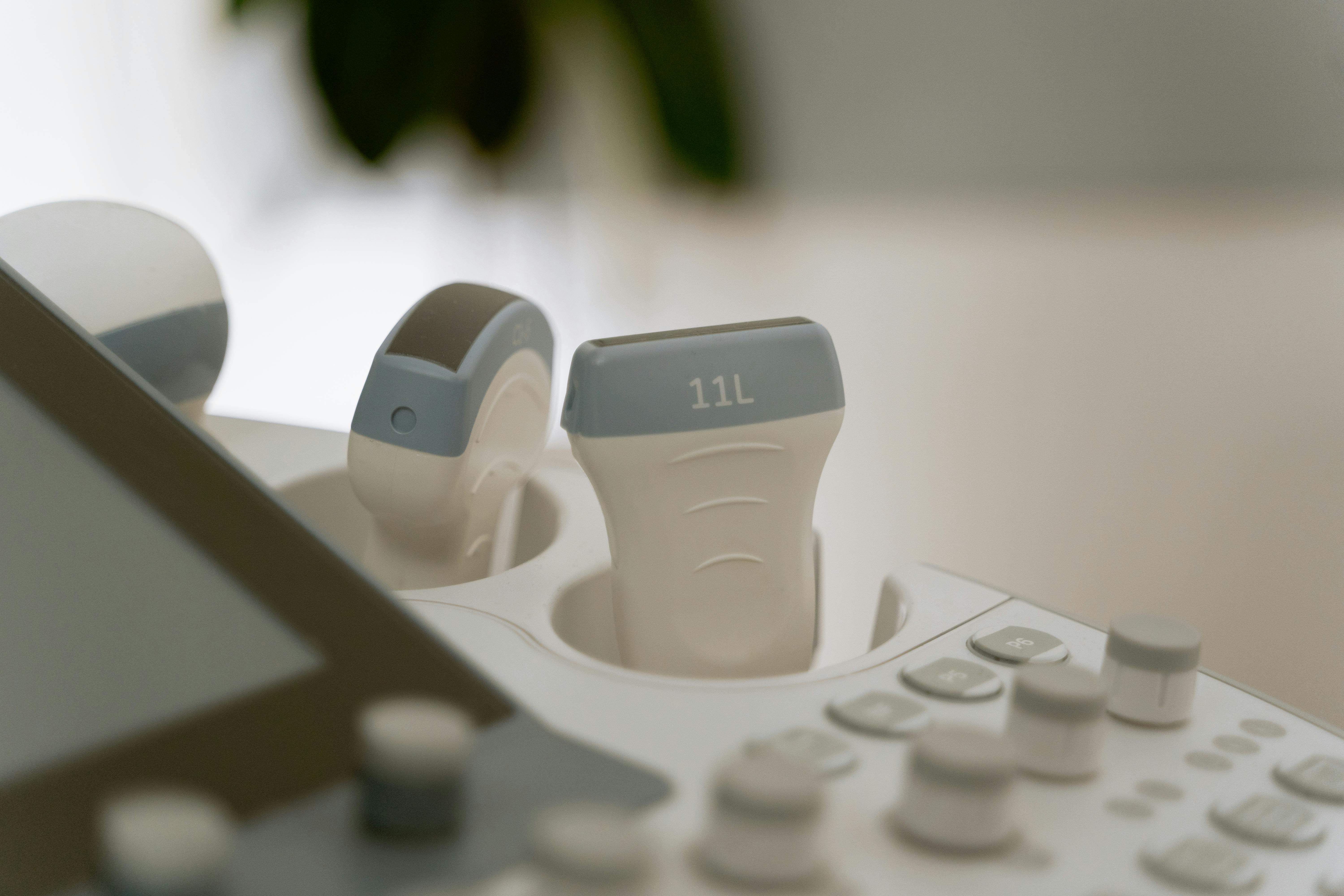
Better prenatal imaging helps families prepare earlier for congenital heart disease.
A new study involving ultrasound advances is giving hope to families and doctors who face the challenge of detecting congenital heart disease before birth. Published in The Annals of Thoracic Surgery, the research shows that prenatal screening for heart defects has improved in recent years, largely due to better use of ultrasound technology. By adding extra heart views during pregnancy scans, doctors have been able to find more defects earlier, giving families more time to prepare for care after delivery.
The study drew on data from more than 100,000 infants who had heart surgery during the past 17 years. Researchers compared detection rates before and after a key ultrasound advances in 2013. The results were clear: conditions that often go unnoticed on the standard four-chamber view were being found more often once outflow tract views were added. This shift highlights the impact of changes in practice and training, showing that updates to long-standing protocols can make a meaningful difference in real-world care.
Still, the findings show that gaps remain. Detection rates are not the same across all regions or all types of defects. Some parts of the country continue to lag behind, and certain lesions are still under-detected even with modern imaging. These differences reflect broader issues in prenatal care, including access to advanced equipment and the experience level of sonographers. While technology has advanced, reaching consistent results across all patients remains a challenge.
Dr. Jeffrey Jacobs, a professor of surgery and pediatrics at the University of Florida and lead author of the study, explained that the data make it possible to pinpoint where progress has been made and where more effort is needed. His team noted that while detection rates are rising overall, the gains are uneven, suggesting that training, resources, and regional standards continue to influence outcomes.
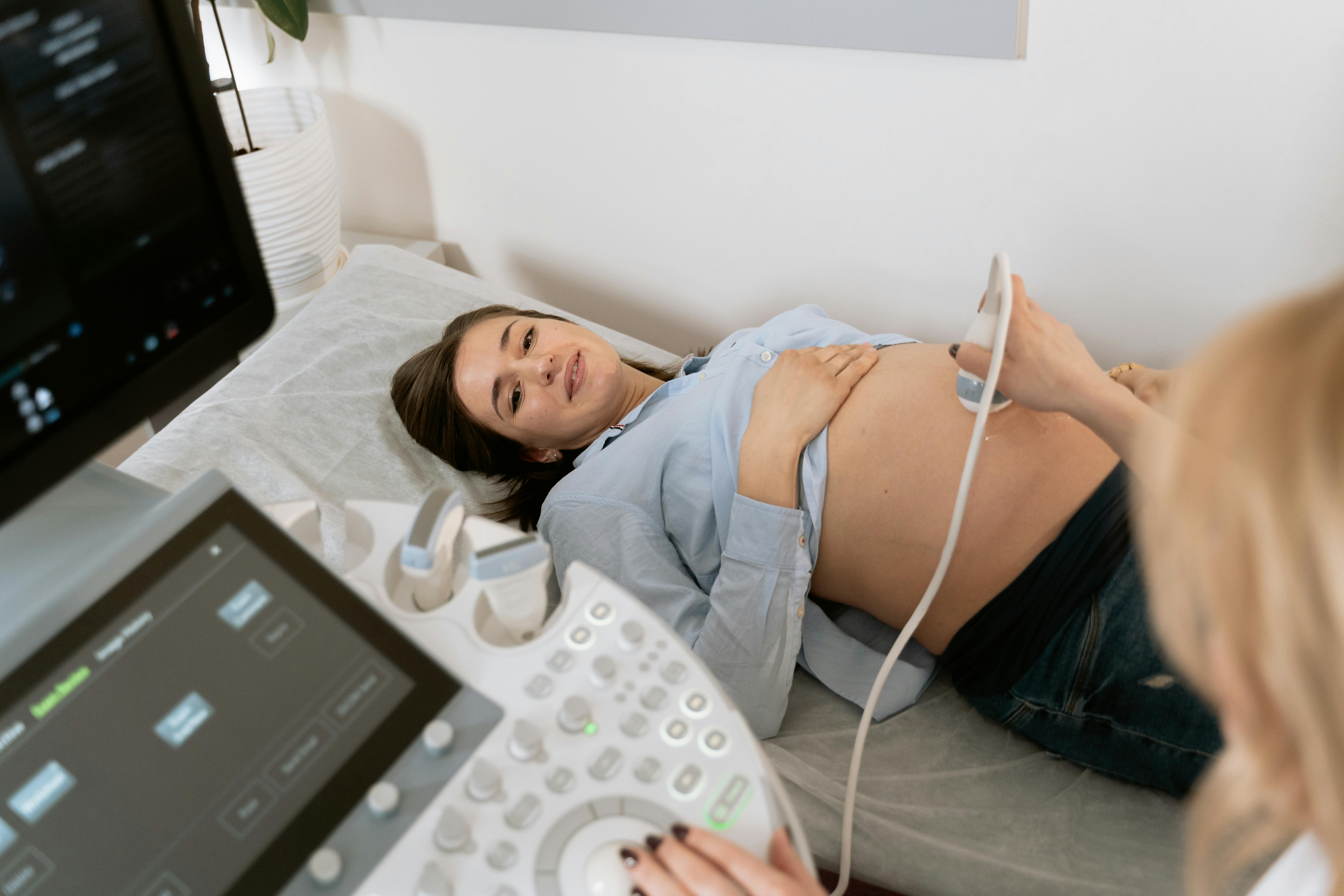
The implications of earlier detection are significant. Identifying heart disease before birth can change how and when babies receive treatment. It may affect the timing of surgery, the delivery plan, and even long-term survival rates. For parents, knowing ahead of time allows for preparation—both emotionally and logistically—for what may be a difficult road after birth. Hospitals can also ensure that specialists and resources are ready when a child is delivered, which can be lifesaving in severe cases.
The researchers emphasized that continued study is needed to understand whether higher detection rates directly translate into better health results. While it seems logical that early diagnosis would improve outcomes, more data are needed to measure its full impact on surgical success and long-term health. They also stressed that equitable access to quality imaging is critical. Without trained staff and proper equipment in every region, families may face very different experiences depending on where they live.
This study reflects a larger trend in medicine: the use of improved imaging and evolving guidelines to push diagnostic boundaries. What once was missed in a standard scan can now be caught with a more detailed approach. Still, detection is only one part of the picture. Ensuring that all families benefit equally from these advances will depend on how hospitals and health systems respond to these findings.
The research offers both reassurance and a reminder. Prenatal detection of congenital heart disease has improved in measurable ways, proving that updated protocols and broader imaging views make a difference. Yet the persistence of gaps shows there is work left to do. For families, these improvements bring a greater chance of early answers. For doctors, they reinforce the need to keep refining screening practices. And for the healthcare system as a whole, they highlight the importance of making sure that progress is not limited to certain regions or certain patients.
Sources:
Advances in ultrasound improve prenatal detection of congenital heart disease
Join the conversation!