
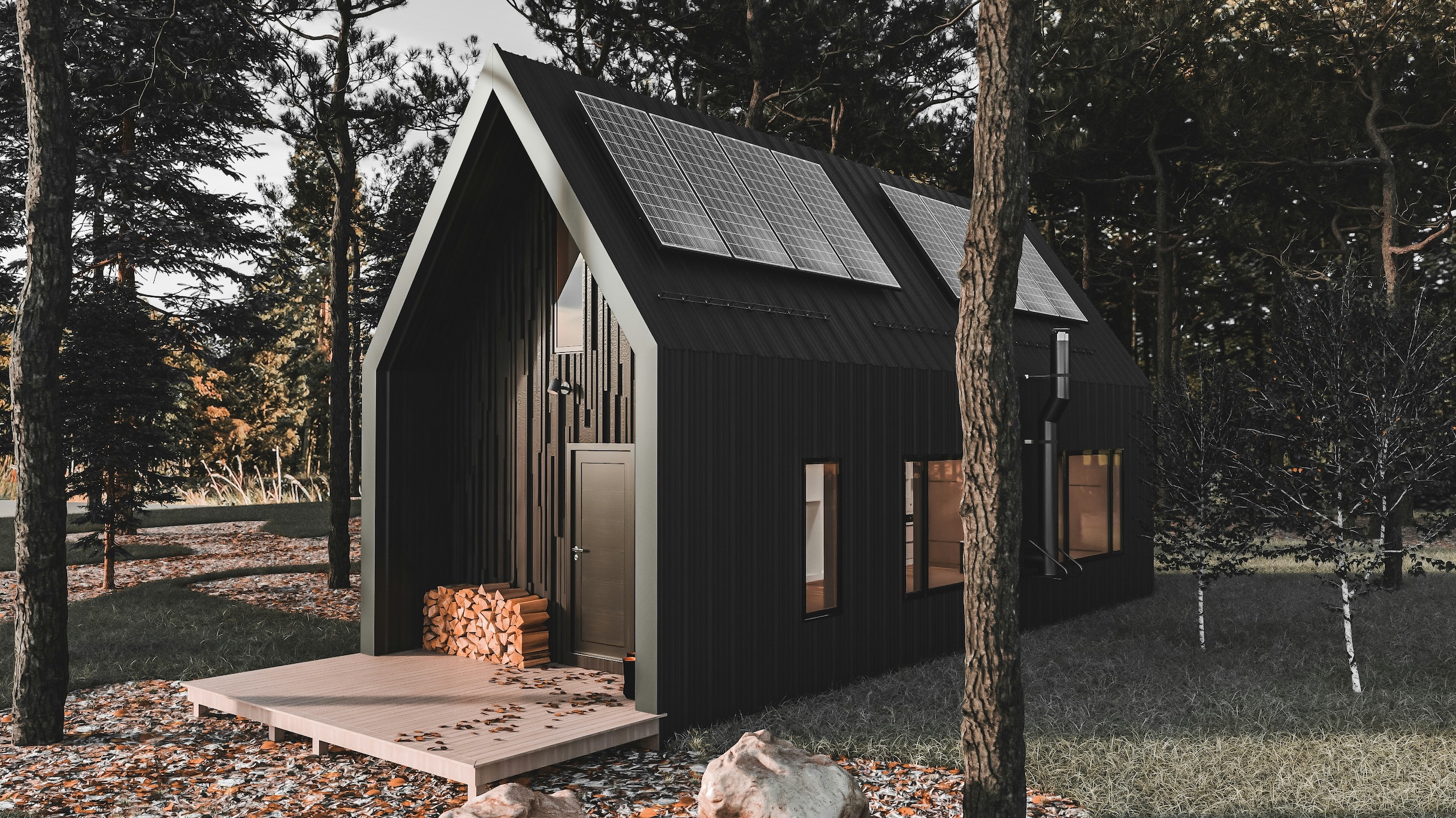
ADUs are no longer just a creative workaround, but one of the core parts of California’s housing strategy.
Accessory dwelling units, or ADUs, are now a common sight across California. A garage converted into a rental, a basement finished as a studio, or a backyard unit tucked behind the main house are all part of the state’s answer to a growing housing shortage. If you take a walk through almost any neighborhood, chances are you’ll see one.
The rules around ADUs keep shifting. Some laws define who needs to live on the property. Others push cities to hold pre-approved designs so homeowners don’t get stuck waiting months. And in certain cases, you can even sell an ADU on its own.
What Qualifies as an ADU?
The state’s housing department says an ADU is a separate home located on the same lot as the primary house. To be recognized, it has to stand on its own: a kitchen, a bathroom, and a private entrance. Without those, the city will count it as just another room or a home extension.
Size and placement also matter. California allows both attached and detached units, as well as ADU garage conversions. Nevertheless, it still needs to meet local building codes for safety, ventilation, and accessibility.
It’s also worth noting that ADUs come in different forms:
- Detached new construction as a small house or cottage in the backyard.
- Attached units as an addition connected to the main home, like a side wing.
- Conversion units as spaces reworked into a separate dwelling.
Each has its permitting process with the end goal of ensuring self-sufficiency and legal habitability.
Rules for Building an ADU in California
Objective standards. Cities must approve ADUs that meet their written rules through a ministerial review, no hearings or special discretion. If your plans comply, the city has 60 days to finish its review.
Where can you build? Almost all residential lots qualify. In 2024, ADU statutes were recodified into the Gov. Code §§ 66310–66332. If you see older citations, they’re from the pre-2024 code.
Setbacks. Detached ADUs can’t be denied just because of setbacks. Cities are limited to four-foot side and rear setbacks.
Height. The default maximum is 16 feet, but AB 2221 (2022) raised the cap in certain areas, like lots near transit or sites with taller primary homes. Some cases allow up to 25 feet.
How many. Single-family lots can usually add one ADU (sometimes plus a JADU inside the main house). Multifamily properties may be able to add multiple conversion units and as many as two detached ADUs.
Review tip. Mark every sheet in your submittal with the exact rule it satisfies: setback, height, coverage. It makes approval faster. If the city misses the deadline or applies vague standards, point them back to the Government Code.
Owner Occupancy Requirements (AB 434)
AB 434 requires one of the units of the ADU or the main house to be owner-occupied. Renting out both while living elsewhere isn’t allowed.
If you’re planning to build an ADU for rental income, factor in that you’ll still need to live on the property to stay compliant.
Pre-Approved Plans (AB 1003)
AB 1003 told cities to create libraries of ready-made ADU designs. These plans are already vetted for zoning and safety.
For you, this means less waiting and fewer surprises. If you’re aiming for an ADU garage conversion, pulling from the city’s list of designs is often the quickest way forward.
ADA Approval Processes (AB 2221)
AB 2221 limits how long cities can hold your application. Once you turn in all required documents, officials have 60 days to respond. If they don’t, your ADU is automatically approved.
That said, approval only counts if your paperwork is complete and the project meets local building and zoning codes. The main change is timing: cities can’t keep applications sitting in limbo. Once the file is in, the clock runs.
Selling the ADU Separate from the Main Home (AB 1033)
AB 1033 creates a powerful opportunity by allowing cities to permit accessory dwelling units (ADUs) to be sold independently from the primary home.

Previously, ADUs were always tethered to the main residence, sold only as part of the same deed. AB 1033 breaks that tether, enabling the units to be treated as separate condominiums, but only where local governments enact ordinances to adopt it. In other words, AB 1033 lifts the state-level prohibition and empowers local adoption to make separate sales possible.
Upcoming Changes to ADU Regulations
California lawmakers continue to adjust ADU rules as housing demand rises. Current discussions focus on two areas:
- Financing. Proposals aim to make it easier for homeowners to get loans for ADU construction without weeks of paperwork.
- Infrastructure. With more ADUs built each year, cities are working out how to handle parking, utilities, and emergency access in neighborhoods with added density.
- Tripling ADU Capacity on Multifamily Lots. Starting in 2025, SB 1211 allows property owners to build up to eight detached ADUs on qualifying multifamily lots, provided the total doesn’t exceed the existing number of units. This significantly expands density potential and changes how developers and homeowners can think about multi-unit properties.
- Streamlined Local Plans via Pre‑Approved Designs. Assembly Bill 1332 mandates that all California cities and municipalities must have a pre‑approved ADU plan scheme in place by January 1, 2025.
For property owners, the best step is to stay updated. Each new bill can affect how you plan, fund, and use your ADU.
Final Thoughts
California’s ADU regulations have become a detailed framework designed to expand housing options while maintaining safety and livability. Looking ahead, new measures on financing, multifamily density, and pre-approved plans will further shape how ADUs are planned and built. This means more opportunities for homeowners, but also an extra need to track legislative updates closely and remain compliant.
In short, ADUs are no longer just a creative workaround, but one of the core parts of California’s housing strategy.
Join the conversation!