
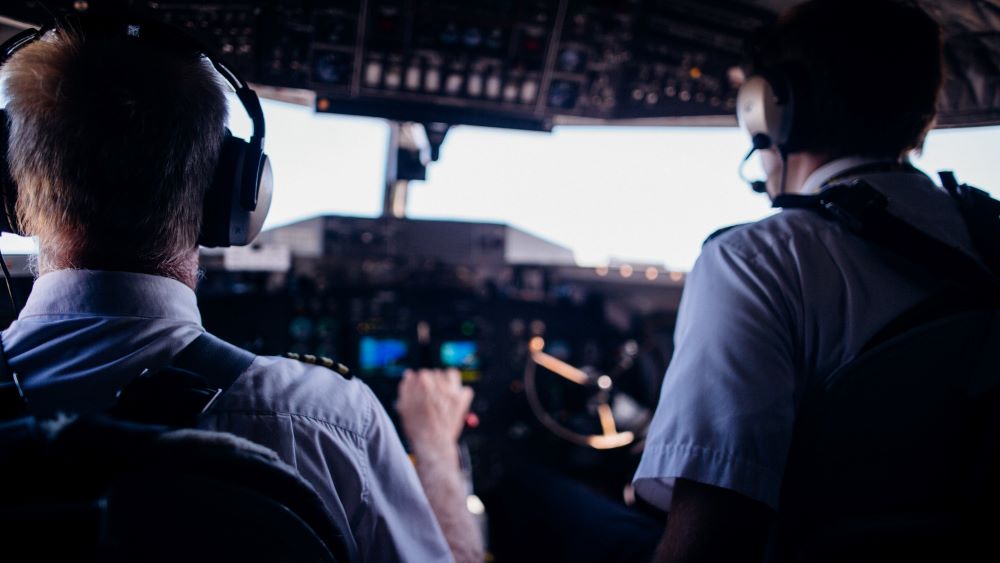
Insurance and liability are core parts of responsible flight training.
Learning to fly is exciting, but it also brings new responsibilities. Along with mastering the controls, understanding the legal and financial protections available to you is an essential part of becoming a safe, prepared pilot. Insurance and liability are not just for seasoned aviators — student pilots should know what coverage they need, what risks they face, and how to reduce those risks before they climb into the cockpit. This article breaks down the essentials in plain language. You’ll learn what kinds of insurance exist for student pilots, who is liable when something goes wrong, how to shop for coverage, and practical steps you can take to protect yourself and others.
Why Insurance Matters for Student Pilots
Flying involves equipment, instruction, and sometimes other people’s property. Even simple mishaps — damage on the ramp, a hard landing, or a minor collision with ground equipment — can lead to expensive repairs, legal claims, or medical bills. In more serious situations, you might even find yourself speaking with a personal injury lawyer if someone is hurt during training or aircraft operations. Insurance helps cover those costs, so one incident doesn’t become a financial disaster. Liability coverage protects you if your flying activities result in someone’s injury or property damage. Hull or aircraft physical damage insurance helps pay for repairs to the airplane itself. Some policies also include medical payments, emergency evacuation, or legal defense costs. Having the proper protections in place gives you peace of mind and lets you focus on building solid skills.
Common types of aviation coverage
Several types of insurance relate to student pilots. Not every student needs every type, but understanding what’s available will help you decide.
- Liability insurance: Covers claims from third parties — other people or their property — if your actions cause damage or injury.
- Aircraft hull insurance: Pays for the repair or replacement of the airplane if it’s damaged or destroyed.
- Student pilot or renter’s liability: Some flight schools offer or require coverage for students who rent or fly club aircraft.
- Instructor liability: Protects flight instructors and schools from claims arising during instruction.
- Personal accident or medical coverage: Helps cover medical costs for major injuries to you, your passengers, or others.
- Non-owned aircraft liability: For pilots flying aircraft they don’t own (common for students who rent aircraft).
Each of these covers different risks. Liability policies are critical because legal claims can exceed the value of an aircraft and personal savings.
Understanding Liability — Who is Responsible?
Liability isn’t about blame — it’s about who pays for losses. When an accident happens, an injured party can seek compensation from anyone legally responsible. That might include a student pilot, the flight instructor, the flight school, or an aircraft owner. Determining responsibility depends on the facts: who was flying, whether they followed procedures, and whether maintenance or supervision was adequate.
As a student pilot, you could be held liable for damage you cause while flying. Even if you were under instruction, questions about supervision or training level can affect liability. That’s why many flight schools require students to sign agreements and maintain minimum insurance standards. Knowing how liability is assigned where you train — and whether your activities are covered — is essential. Ask the school how they handle insurance for student pilots and whether you’ll need to carry your own coverage for certain flights.
How to Choose the Right Coverage for You
When shopping for protection, start by assessing your exposure: how often you fly, what type of aircraft you’ll use, whether you’ll fly solo soon, and whether you’ll rent or borrow planes. Use those answers to decide what you need. First, talk to your flight school or instructor. Many schools include non-owned aircraft liability as part of the rental agreement or offer student coverage packages. If you’ll be renting frequently or flying cross-country solo, you may want a personal policy that follows you to different locations.
Next, compare policy limits and exclusions. Higher liability limits cost more but offer greater protection if a claim is significant. Check whether the policy covers student pilots specifically — some policies exclude less-experienced pilots or have restrictions on solo flights. Read the fine print about training flights, simulated instrument time, and checkride flights. If possible, consult an insurance agent experienced in aviation. They can explain nuances like agreed value versus actual cash value for hull insurance, or whether the policy limit covers legal defense costs.
Practical Steps to Reduce Risk and Lower Insurance Costs
Insurance premiums are tied to risk — and you can reduce that risk. Follow these practical tips to protect yourself and possibly lower insurance costs:
- Build solid experience under supervision: Log flights with qualified instructors and follow training syllabi. Consistent, documented training shows insurers that you’re serious about safety.
- Complete safety courses: Additional safety training or risk management courses can demonstrate commitment to safety, which insurers may favorably view.
- Fly well-maintained aircraft: Use aircraft with up-to-date maintenance records. Flying poorly maintained planes raises both accident risk and insurer concern.
- Follow checklists and standard procedures: Simple habits reduce mistakes. Insurers like pilots who follow procedures and maintain good discipline.
- Avoid high-risk operations early on: Activities such as aerobatics, flying in adverse weather, or flying heavily loaded aircraft increase risk and might be excluded from basic student policies.
- Keep a clean record: Incidents and violations can increase premiums or make some insurers decline coverage.
By reducing the chance of an accident, you protect your safety and your wallet.
Renting Aircraft and School Policies
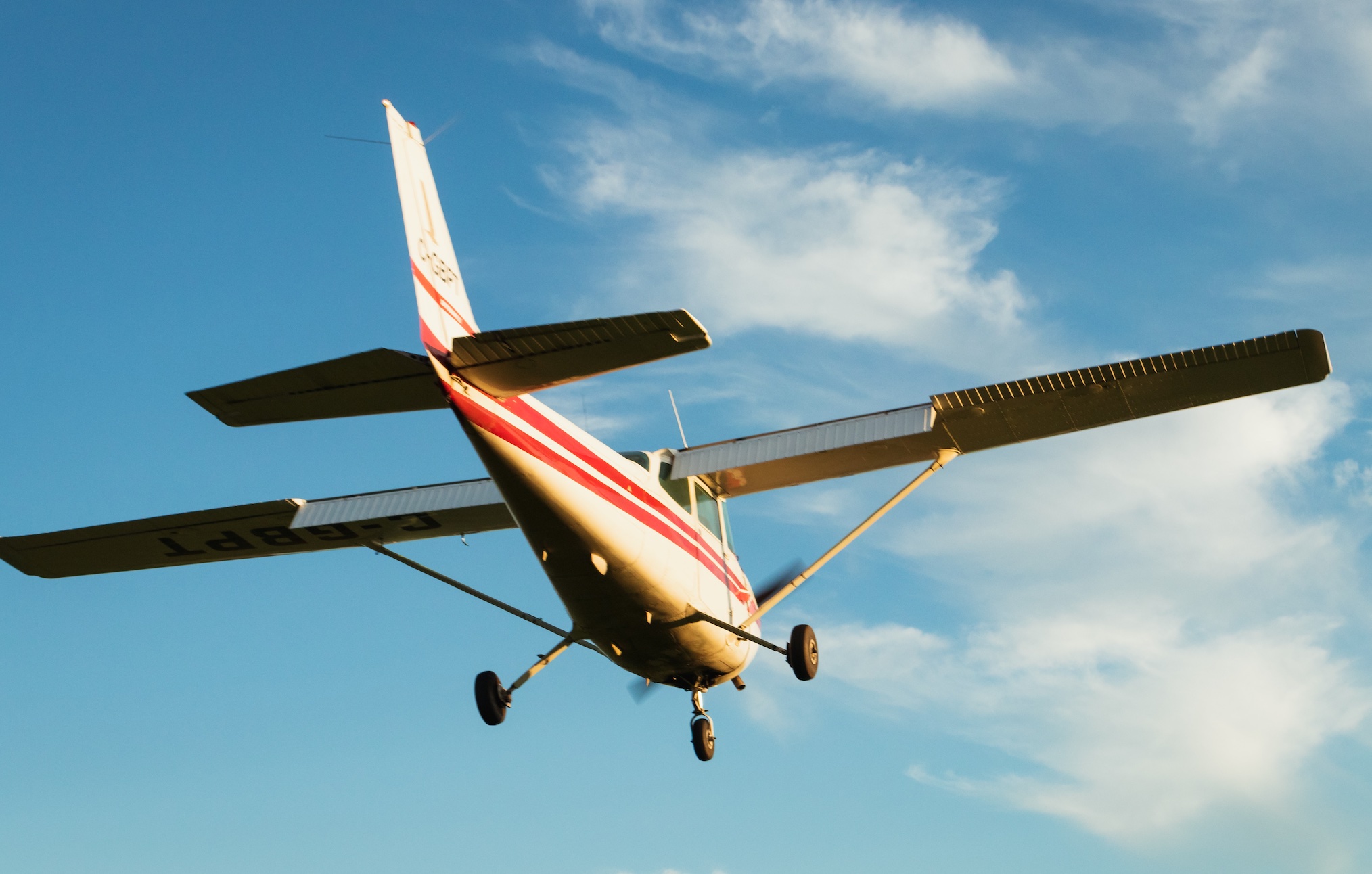
Many student pilots learn in rented aircraft. Rental agreements often include clauses about insurance, liability, and damage responsibility. Read agreements carefully: some require students to sign waivers, contribute to repair costs up to a certain amount, or carry specific insurance limits. Flight schools sometimes include non-owned liability coverage for renters, but the scope varies. Ask whether the school’s policy covers solo cross-country flights, night flights, or out-of-state operations. If the school’s coverage is limited, you may need a personal policy for added protection.
If you plan to join a flying club, clubs often carry insurance for members but may have rules about minimum experience or checkout procedures. Always confirm insurance details before your first rental or club flight.
Checklist Before Your First Solo Cross-Country
Before you attempt longer solo flights, run through this checklist:
- Verify you meet the endorsement and current requirements.
- Confirm the aircraft is legally and mechanically airworthy.
- Ensure flight planning is thorough: weather, alternates, fuel, and NOTAMs.
- Check insurance coverage for the planned flight.
- Share your flight plan and expected communication procedures with your instructor or a responsible person on the ground.
Being prepared reduces stress and helps you stay focused on flying safely.
Protecting Your Future in the Sky
Insurance and liability are core parts of responsible flight training. They protect you financially and legally, and they help ensure that a single mistake doesn’t derail your flying future. Take time to understand the kinds of coverage available, talk openly with your flight school and an experienced insurance agent, and adopt safe flying habits that reduce risk. With good preparation — both in the cockpit and on paper — you’ll be better protected and more confident as you learn to fly.
Join the conversation!