
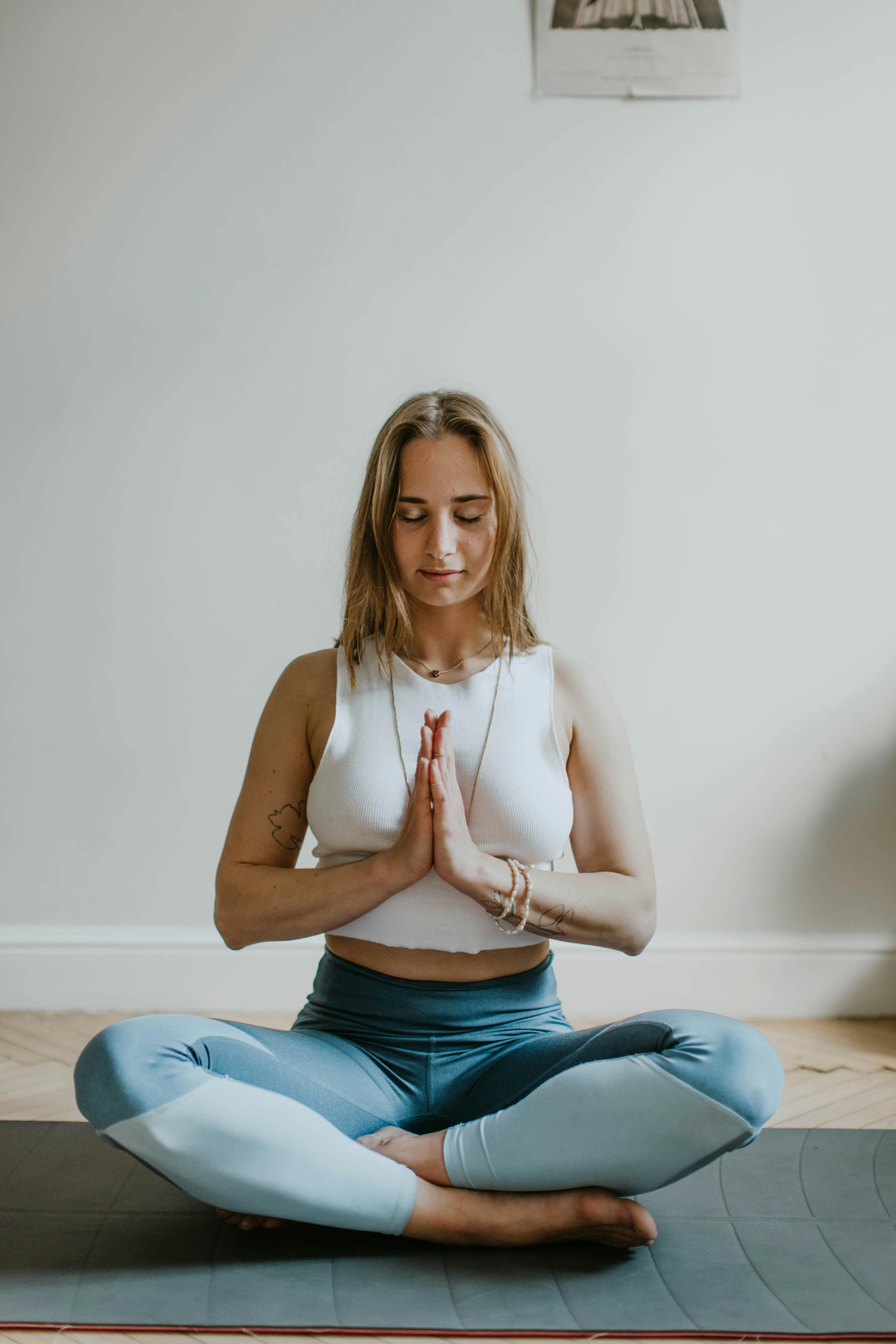
Yoga paired with medication may shorten opioid withdrawal and ease symptoms.
Opioid addiction recovery often brings a long and uncomfortable stretch of physical stress. When someone stops using opioids, the body can react strongly. Symptoms like sweating, shaking, stomach trouble, racing heart, poor sleep, anxiety, and body pain may last for days or even weeks. These effects can make early recovery hard and can push people back toward drug use just to feel normal again. Doctors usually rely on medications to ease these problems, giving one drug for sleep, another for stomach issues, and others to lower cravings. While this approach helps many people, withdrawal can still feel overwhelming. New research suggests that adding a calm physical practice may shorten this difficult period. A recent study published in a major psychiatry journal found that regular yoga sessions, when combined with standard medication, helped people move through opioid withdrawal faster and with fewer symptoms. The findings point to a simple activity that may help the body settle down during a time when the nervous system is often stuck in overdrive.
The study followed 59 adults between the ages of 18 and 50 who were going through mild to moderate opioid withdrawal. All participants received buprenorphine, a common medication used to treat opioid use disorder. Half of the group also took part in guided yoga sessions. These sessions lasted 45 minutes and took place over ten days across two weeks. The other half of the group received medication only.

The results showed a clear difference between the two groups. Those who practiced yoga reported feeling better sooner. Their withdrawal symptoms eased in about five days on average. The group that did not do yoga took closer to nine days to reach the same level of relief. The yoga group also showed steadier heart rates and fewer complaints of anxiety, sleep trouble, and physical discomfort.
Doctors involved in addiction care say this may be tied to how yoga affects the body’s stress response. During withdrawal, the nervous system often stays on high alert. This can cause a fast heart rate, shallow breathing, restlessness, and panic. Yoga focuses on slow movement, steady breathing, and body awareness. These elements can help calm the nervous system, which may reduce the physical chain reaction that fuels many withdrawal symptoms.
One common problem during withdrawal is a cycle that feeds on itself. A fast heart rate can make it hard to fall asleep. Lack of sleep can raise anxiety. Anxiety can then push the heart rate even higher. Breaking this loop can make a big difference in how someone feels. Yoga appears to help slow the body down, making it easier to rest and recover.
Another concern during detox is relapse. Many people return to drug use soon after leaving treatment because the discomfort and anxiety feel unbearable. When withdrawal lasts longer, the risk of relapse rises. By shortening the withdrawal period and making symptoms more manageable, yoga may help lower that risk for some patients. It does not replace medication, but it may support it.
Doctors also note that yoga is easy to add to treatment. It does not require special equipment, has little cost, and carries very low risk. It can be adjusted for different fitness levels and physical limits. While the study group was small and focused only on mild to moderate cases, the results were encouraging enough to suggest that larger studies are worth exploring.
Withdrawal experiences can differ based on the type of drug used, how long it was used, and the person’s overall health. Because of this, yoga may not help everyone in the same way. Still, as part of a treatment plan that includes medical care, counseling, and long-term support, it may offer relief during one of the hardest stages of recovery. For many people facing opioid withdrawal, a calmer path through those first days could make all the difference.
Sources:
This zen activity can cut opioid withdrawal time by nearly half: study
Join the conversation!