
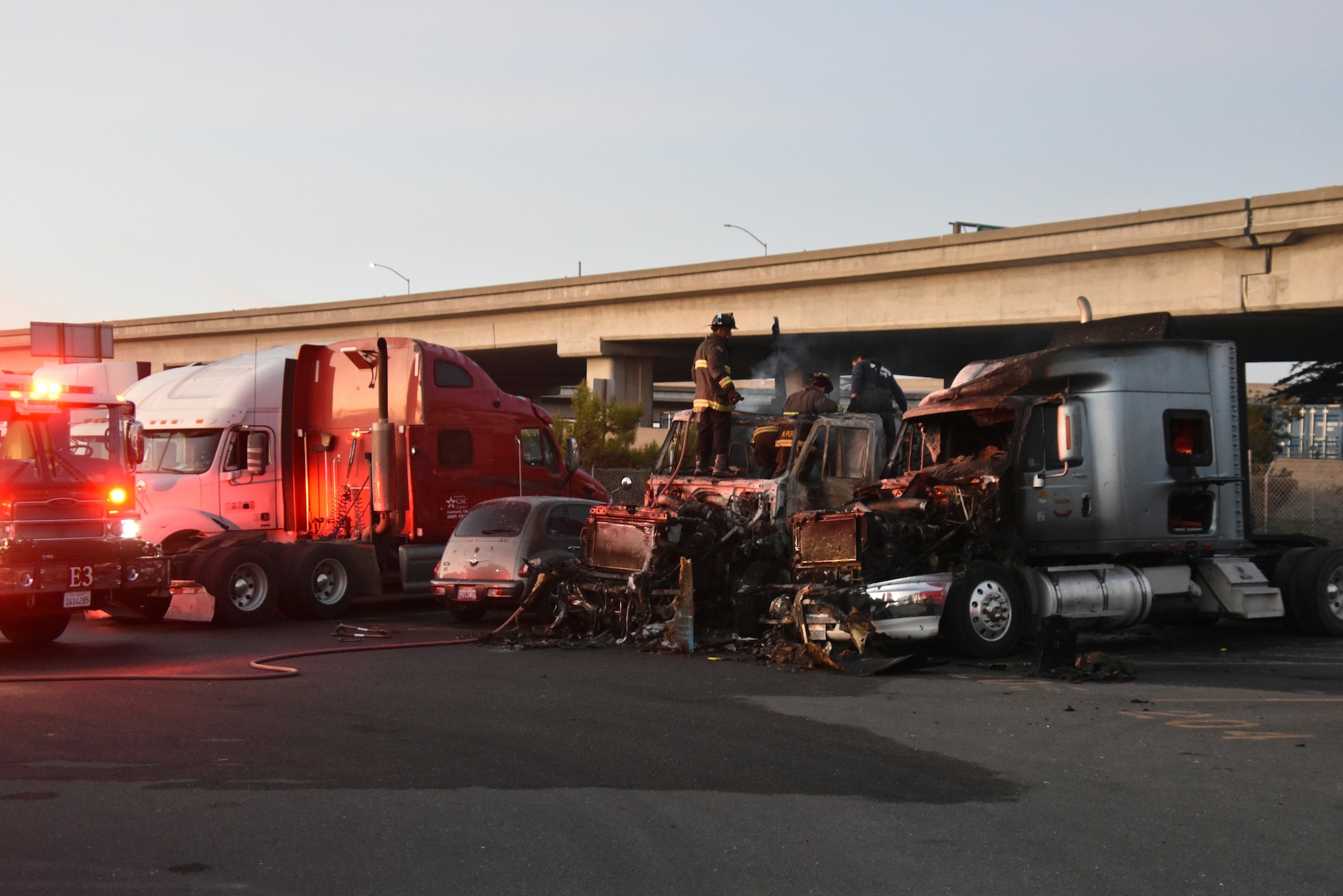
Learning how to prove fault and calculate damages can help you maximize your compensation for a satisfactory settlement.
The numerous freeway routes scattered through Southern California make truck accidents a constant risk in the region. A 2023 IIHS report reveals that passenger vehicles and their occupants suffer more fatalities and injuries than trucks.
Although victims are entitled to compensation for such accidents, trucking and insurance companies continue to manipulate the situation to deny or minimize that compensation. In this article, you’ll learn one of their most effective methods and how to protect yourself.
Understanding Comparative Fault in Accidents
Comparative fault is a legal principle used to determine each party’s level of responsibility in an accident. It is also known as the principle of comparative negligence. This principle reduces the damages recoverable by an injured party in proportion to their fault.
In truck accidents, comparative negligence can be apportioned among all parties involved. This may involve the truck driver, the trucking company, and other third parties, including cargo loaders, maintenance providers, and you.
Since California follows a pure comparative system, you can still recover compensation even if you are up to 99% at fault. However, the trucking and insurance companies may try to maximize your percentage of blame to minimize your compensation.
How to Determine Faults in a Truck Accident
Many factors are considered when assigning fault after a truck accident, including human and physical factors. Usually, the driver’s action and that of other drivers are considered. They also consider the truck condition, road conditions, and even weather conditions.
While all these can complicate the process, you can simplify things with concrete evidence. Solid evidence, like witness statements and testimonies, police reports, video recordings, or images after the crash, can help you apportion blame to the appropriate party. Gather sufficient evidence about the causes of the truck accident to demonstrate the other party’s negligence to clear any doubts about your negligence.
How to Calculate Damages After a Truck Accident
The principle of comparative fault only determines the percentage of compensation you receive based on your proportion of negligence. However, to ensure you get the real worth of your compensation based on those percentages, you must learn how to calculate damages. Damages from a truck accident fall under two main categories:
- Economic damages
- Non-economic damages
Economic damages describe the direct, quantifiable losses you incur as a result of the accident. These are the most common types of damage and are easily proven with receipts and records. The cost of your medical expenses, lost wages, vehicle, and property damage all fall under this category.

Non-economic damages cover indirect harm that cannot be measured in financial terms. These are more subjective losses than the economic damages. Some examples include pain and suffering, loss of enjoyment of life, emotional distress, and loss of consortium.
How to Maximize Compensation After a Truck Accident
The best way to maximize your compensation after a truck accident is to get reliable legal aid. While the laws are clear, assigning fault and determining damages can be complex in a truck accident.
As a result, insurance and trucking companies readily exploit grey areas and your limited knowledge and experience. However, experienced lawyers like Banner Attorneys, who specialize in truck accident cases, prioritize your interests and maximize your compensation.
Endnote
Truck accident victims and their families often face significant physical and financial hardship. Some trucking companies even claim comparative fault against the victim to minimize or eliminate compensation. Learning how to prove fault and calculate damages can help you maximize your compensation for a satisfactory settlement.
Join the conversation!