
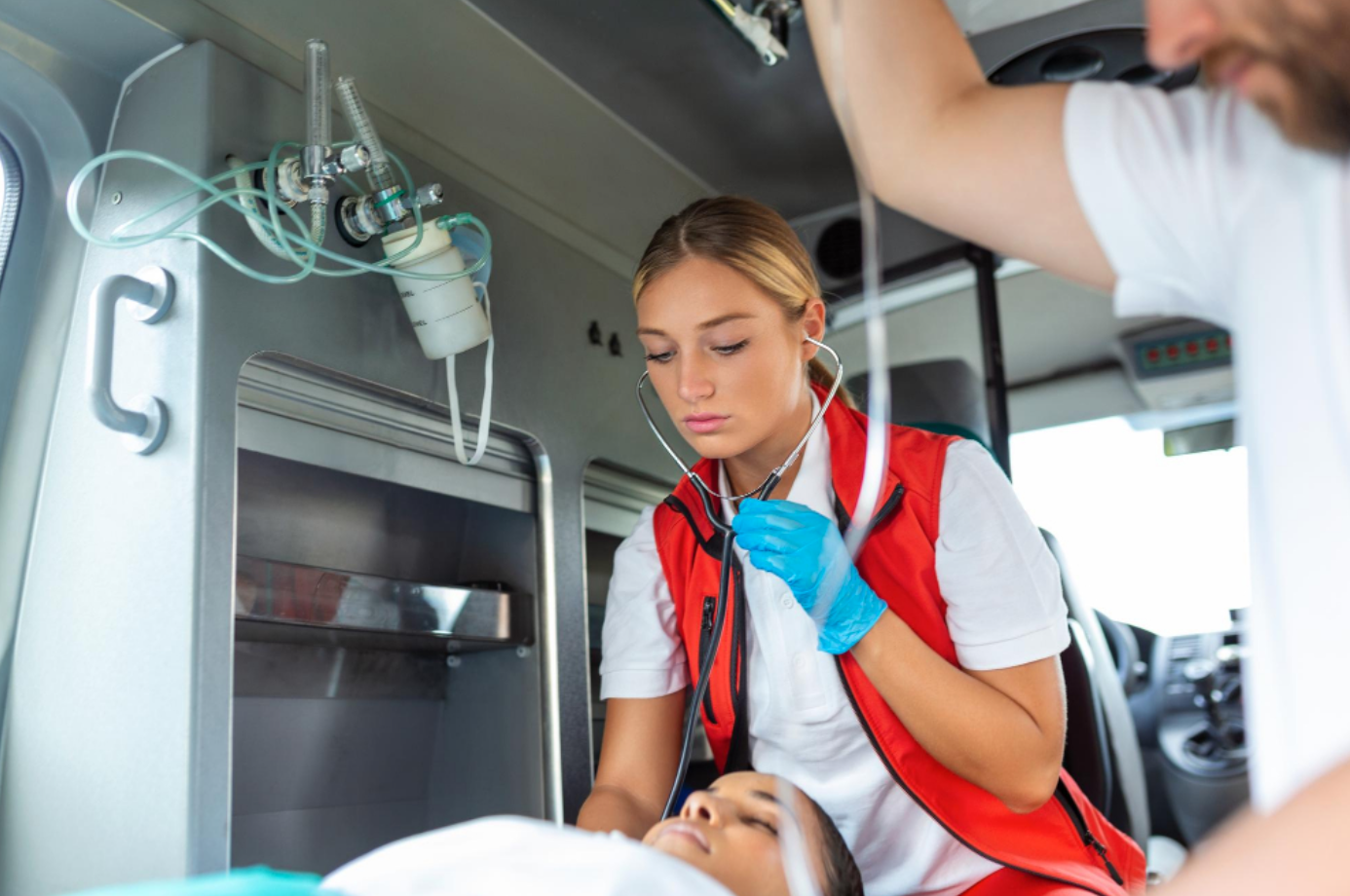
Healing isn’t about erasing the injury – it’s about integrating it into a life that still holds meaning, connection, and even joy.
Catastrophic injuries are not simply severe – they are life-redefining. These are injuries that result in permanent disability, long-term medical dependency, or irreversible loss of function. Common examples include traumatic brain injuries that alter cognition, spinal cord damage leading to paralysis, limb amputations, third-degree burns requiring years of reconstructive care, and complex orthopaedic trauma that limits mobility for life. Recovery is rarely linear; it involves layers of physical therapy, psychological adjustment, financial strain, and often legal navigation.
Imagine waking up in a hospital bed, unable to move your legs. Or returning home from an accident only to realize you’ll never again hold a coffee cup with both hands. Catastrophic injuries don’t just break bones – they break routines, relationships, and sometimes, hope. Across Canada, from rural highways to urban construction sites, these life-altering events occur more often than most realize. And while medical teams focus on stabilization, few talk openly about what comes next: the years of rehab, the hidden costs, the emotional toll on families, and the legal complexities that follow.
If you or someone you care about is beginning to process the impact of such an event, catastrophic injury lawyer resources can offer grounded, step-by-step guidance – not to push a case, but to help you understand your rights, options, and the realistic pathways to stability. This isn’t about lawsuits. It’s about securing the support you need to rebuild – on your own terms.
Why “Catastrophic” Means More Than Just Serious
In medical and legal contexts, “catastrophic” doesn’t refer to the drama of the moment – it describes the lasting ripple effect. A broken arm heals. A concussion may fade. But a catastrophic injury? It lingers. It reshapes careers, relationships, homes, and self-image. The term signals permanence – not always total paralysis or loss, but a fundamental shift in how someone lives, moves, thinks, or interacts with the world.
What separates these injuries from “serious” ones is the scope of impact. Think decades, not weeks. Think home modifications, not just physio appointments. Think psychological counseling, caregiver support, vocational retraining – layers of adaptation that go far beyond the hospital discharge summary.
For example, two people might survive the same car crash. One walks away with bruises and whiplash. The other may never walk again. That’s the dividing line. It’s not about how loud the impact was – it’s about how quiet life becomes afterward. The silence of lost independence. The weight of new routines. The financial strain of equipment, medications, and therapies not fully covered by insurance.
Understanding this distinction matters – especially when reviewing types of catastrophic injuries in accidents. It’s not just about what happened, but what will keep happening. That’s why early, informed decisions around care, documentation, and legal rights can make a profound difference in long-term outcomes.
Common Types of Catastrophic Injuries
When people hear “catastrophic injury,” many picture dramatic accident scenes – but the reality is often quieter, slower, and more personal. The true weight of these injuries settles in weeks or months later, when the hospital bed is gone but the limitations remain. Below, we break down the five most common types of catastrophic injuries – not to frighten, but to inform. Knowledge here isn’t power for its own sake; it’s a tool for planning, advocating, and adapting.

These aren’t abstract medical terms. They’re lived experiences. And whether you’re supporting a loved one or navigating this yourself, understanding what each entails – physically, emotionally, and logistically – can help you ask better questions, set realistic expectations, and build a stronger foundation for what comes next.
Traumatic Brain Injuries: The Invisible Crisis
Unlike a broken bone you can cast or a burn you can see heal, traumatic brain injuries (TBIs) often leave no visible trace – yet they alter everything. Memory falters. Words slip away mid-sentence. Emotions swing without warning. Fatigue becomes a constant companion, even after a full night’s sleep.
Moderate to severe TBIs can result from falls, collisions, or workplace impacts – and their effects may not fully surface for days or weeks. Cognitive rehab, speech therapy, occupational adjustments, and psychological support often become lifelong necessities. One of the most misunderstood catastrophic injury examples, TBIs challenge not just the injured person, but everyone around them – because the person may look “fine,” while internally, their world has been rewired.
Spinal Cord Damage and Its Lifelong Impact
A spinal cord injury doesn’t always mean total paralysis – but it almost always means permanent change. Some regain partial mobility. Others adapt to life with powered wheelchairs, voice-activated tech, and home modifications like ramps or ceiling lifts. Bladder and bowel function, temperature regulation, even blood pressure can become daily management tasks.
What’s rarely discussed? The emotional recalibration. Relearning independence. Redefining intimacy. Navigating accessibility in a world not built for you. These injuries often stem from vehicle crashes, sports accidents, or falls – and the cost of long-term care can easily reach millions. That’s why understanding your rights early – even if you’re not ready to file catastrophic injury claims – matters. Documentation, medical records, and timelines become critical.
Amputations: Rebuilding Identity and Independence
Losing a limb is more than a physical loss – it’s an identity shift. The phantom pains. The stares in public. The frustration of prosthetics that don’t quite fit. The cost of replacements every few years as technology or your body changes. And yet, many people adapt with astonishing resilience – returning to work, sports, even dance.
Rehabilitation is intense. It involves gait training, muscle strengthening, desensitization therapy, and often, mental health support. Workplace accommodations may be needed. Vehicles may require hand controls. Homes may need widened doorways. While prosthetics have advanced dramatically, access to the best options often depends on funding – which is where early legal guidance from a catastrophic injury lawyer can help clarify what support systems you’re entitled to pursue.
Severe Burns: Beyond the Surface Wound
Third- and fourth-degree burns don’t just scar the skin – they scar the nervous system. Chronic pain. Limited mobility. Endless reconstructive surgeries. Psychological trauma that lingers long after the dressings come off. Many survivors describe feeling “on display,” self-conscious even among loved ones.
Burn injuries often require years of treatment: skin grafts, pressure garments, laser therapy, counseling for PTSD or depression. Children may need procedures repeated as they grow. Adults may never return to their previous line of work – especially if manual dexterity or appearance played a role. The emotional toll is rarely addressed in ERs, but it’s often the heaviest burden to carry.
Complex Orthopedic Injuries: When Bones Change Everything
It’s easy to dismiss a “broken bone” – until it’s your pelvis shattered in three places, your shoulder joint permanently unstable, or your leg requiring 12 screws and two plates just to bear weight. Complex orthopedic injuries involve multiple fractures, joint destruction, nerve compression, or failed healing – often requiring multiple surgeries and years of rehab.
Even after bones fuse, chronic pain, arthritis, or limited range of motion may persist. Some people can’t stand for more than 20 minutes. Others can’t lift their children. Careers in construction, healthcare, or trades may no longer be viable. These injuries are common in falls, crush accidents, or high-impact collisions – and while they may not always qualify as “catastrophic” at first glance, their long-term disruption to daily life and earning capacity can be just as profound.
Final Thoughts: Navigating Life After Trauma
There’s no “getting back to normal” after a catastrophic injury – because normal doesn’t exist anymore. And that’s okay. What replaces it isn’t lesser – it’s different. Slower, sometimes. More intentional. More honest. You learn to measure success in breaths taken without pain, in mornings you get out of bed without help, in moments you laugh without guilt.
The journey doesn’t end when the cast comes off or the wheelchair arrives. It evolves. Some days, you’ll feel like a stranger in your own body. Other days, you’ll surprise yourself with strength you didn’t know you had. Healing isn’t about erasing the injury – it’s about integrating it into a life that still holds meaning, connection, and even joy.
Join the conversation!