
“As the Court recognized, the plaintiffs’ claims are related to activities that Chevron and other energy companies performed under federal supervision during World War II,” a Chevron spokesperson said. “Those claims are flawed as a matter of both state law and federal law, and Chevron looks forward to litigating these cases in federal court, where they belong.”
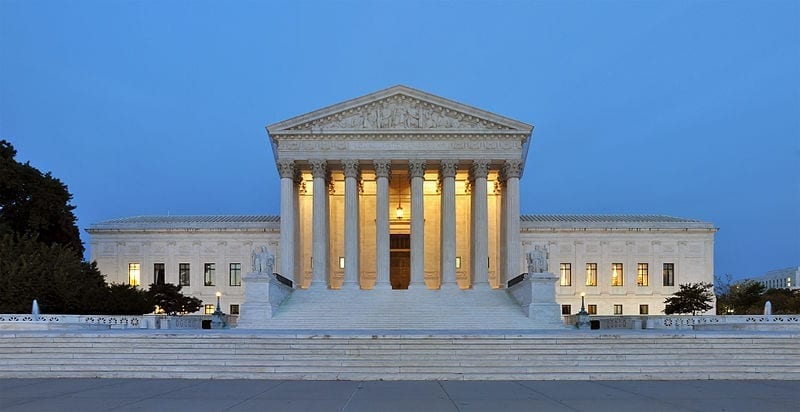
The U.S. Supreme Court on Friday sided with a coalition of oil and gas companies seeking to move environment-related claims from state court to federal venues.
According to The New York Times, the ruling represents a significant victory for the companies, led by Chevron and Exxon Mobil, which are pushing back against Louisiana’s demands that they pay for the state’s coastal erosion.
The oil and gas industry’s position is supported by the Trump administration.
In a unanimous decision, the Supreme Court agreed to let the oil companies fight Louisiana in federal court.
“Congress has long authorized federal officers and their agents to remove suits brought against them in state court to federal court,” Justice Clarence Thomas wrote.
The New York Times notes that the case, Chevron USA Inc. v. Plaquemines Parish, La., is focused on a fairly narrow question: whether oil companies can move claims dealing with environmental damage from state to federal court. But the case has been closely watched by litigants in other climate-related lawsuits.
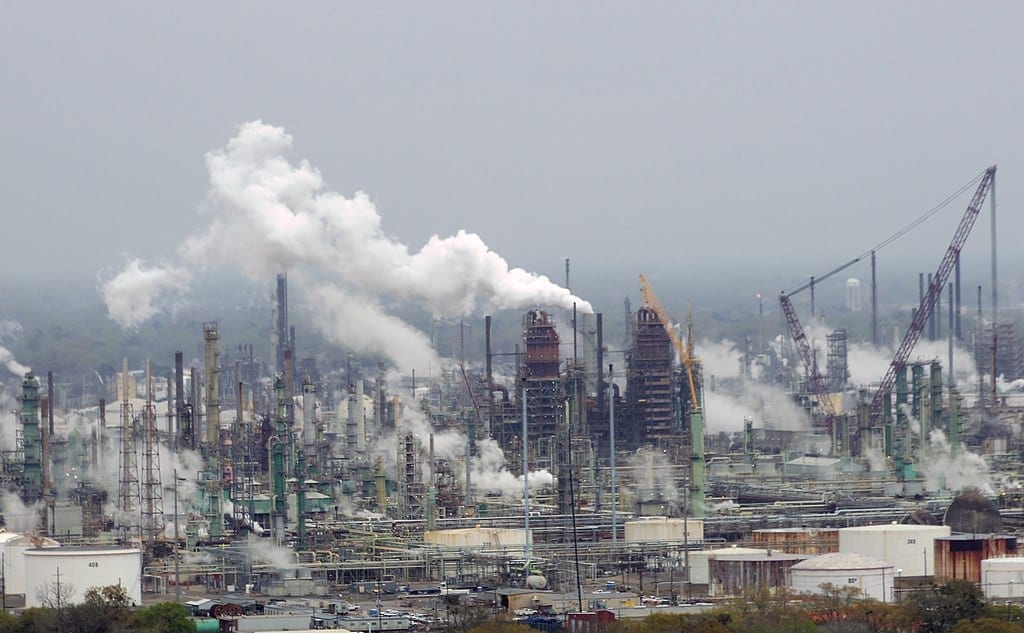
In the decision, Thomas said that the oil companies established federal jurisdiction over the case because it involves oil production that began during World War II, when Chevron facilities in Louisiana refined crude oil into aviation gasoline for the United States military. More specifically, Chevron successfully showed that its wartime production of crude oil was done at the behest of the federal government.
“We thus decide only whether this suit, which implicates Chevron’s wartime production of crude oil, ‘relat[es] to’ Chevron’s wartime aviation-gasoline refining for the military,” Thomas wrote. “We hold that it does.”
Associate Justice Ketanji Jackson Brown wrote a concurring opinion, though with reasoning different to Thomas’s. In her opinion, Brown suggested that Chevron had satisfied a cause-and-effect requirement of the federal officer removal law, showing a connection between the company’s alleged actions and its duties under contract with the U.S. military.
Matias Miranda Vaira, a spokesperson for Chevron, issued a statement emphasizing the company’s position that the claim belongs in federal court.
“As the Court recognized, the plaintiffs’ claims are related to activities that Chevron and other energy companies performed under federal supervision during World War II,” she said. “Those claims are flawed as a matter of both state law and federal law, and Chevron looks forward to litigating these cases in federal court, where they belong.”
Louisiana, writes the New York Times, has lost about 2,000 square miles of land to coastal erosion since the 1930.
Gov. Jeff Landry and state Attorney General Liz Murrill said that the state will continue pressing its claims in federal court.
“A jury in one of the most conservative, pro-oil communities in the country found that Chevron was liable for billions of gallons of toxic waste dumped into the Louisiana march,” Murrill said in a statement. “It doesn’t matter whether this case is in state court or federal court—I am confident the outcome will be the same.”
Sources
Supreme Court gives oil and gas companies win in Louisiana environmental lawsuit
Supreme Court rules Plaquemines coastal lawsuit against Chevron belongs in federal court
Supreme Court Sides With Oil Companies in Louisiana Coastal Lawsuits
Join the conversation!