

Online rent payments bring convenience and better recordkeeping. Legal protections continue to support fairness and clear communication. When tenants stay organized and informed, they can manage rent payments with confidence.
Have you ever asked what happens if an online rent payment needs to be checked later or seems unclear?
Many tenants now pay rent online because it is easy to use and track. Along with that convenience, tenants also have legal protections that support fairness, clear records, and proper communication.
Online rent payments are now a regular part of renting. Tenants can pay from home, save receipts, and review payment history in one place. These tools help keep things organized, while the law continues to protect tenant rights just like with traditional payment methods.
This article explains the legal protections for tenants using online payment platforms. It also covers how records, lease terms, communication, and privacy can support a smooth and clear rental experience.
Why Online Rent Payments Matter for Tenants
Online rent payments are now a common part of renting. They help tenants stay organized and keep clear records over time. This makes it easier to track payments and maintain clarity in monthly transactions.
Digital records also help create a shared understanding between tenants and landlords. Payment dates, confirmations, and saved receipts all help build a clear record, which supports fairness and smooth communication.
Clear Payment Records Can Support Tenant Rights
One of the main benefits of online payments is the record they create. Each transaction usually includes a date, confirmation number, receipt, and payment status.
A strong payment record can help show:
- The exact date a payment was submitted.
- The amount that was paid.
- Any confirmation number connected to the payment.
- A receipt or screenshot showing completion.
- A record of past payments over time.
Digital Convenience Can Also Improve Communication
Online systems often make it easier to keep rent communication in writing. This helps create a record that can be reviewed later.
If a tenant asks about a payment and receives a written reply, it adds useful clarity and keeps everything well-documented.
Legal Protections That Support Tenants
Tenant protections still apply when rent is paid online. The method of payment may look more modern, but the basic legal ideas remain familiar. Tenants still have rights tied to notice, accuracy, fair treatment, privacy, and proper recordkeeping.
Lease Terms Still Matter
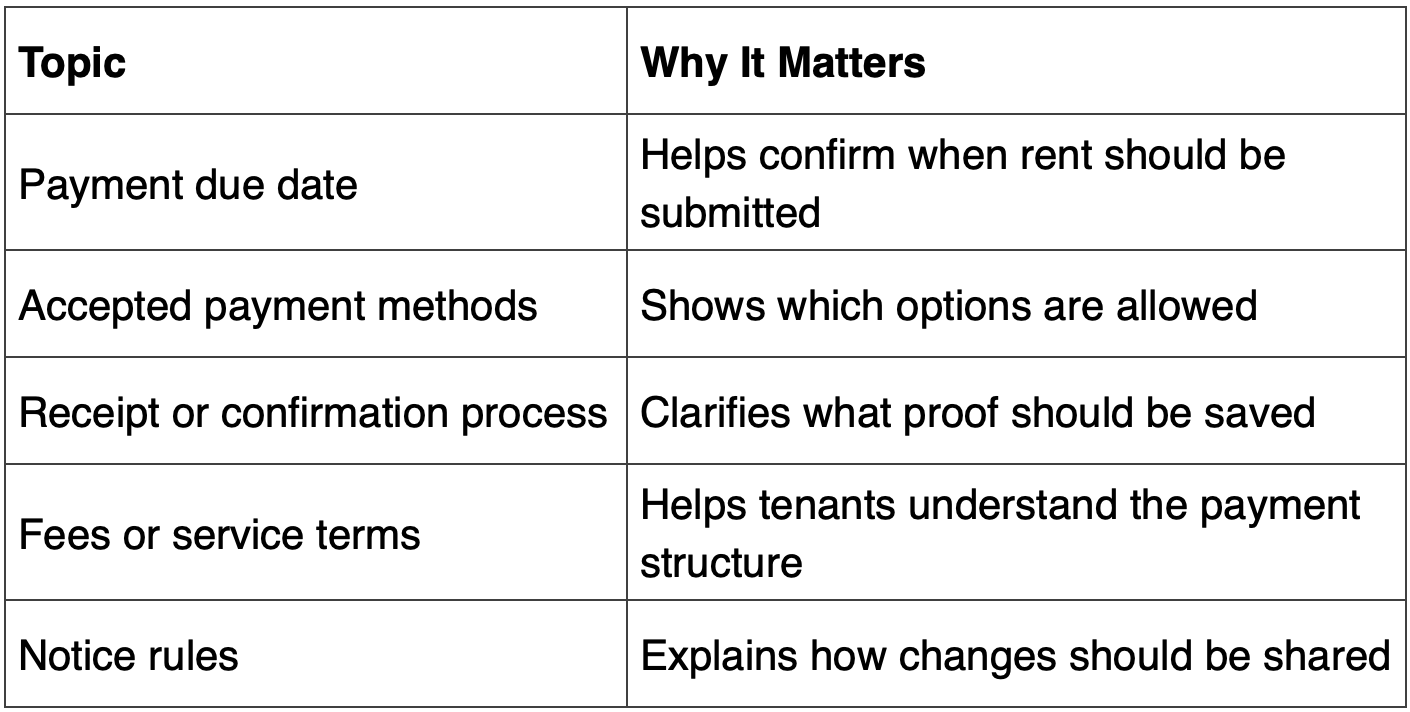
A lease remains one of the most important documents in any rental arrangement. If rent is paid online, the lease may explain when payment is due, how payment should be made, and what kind of notice is required if there is a change in the payment process.
Tenants benefit from reading the lease closely and saving a copy for future reference. It can help answer practical questions such as:
Proof Of Payment Is Often A Valuable Protection
A tenant who pays online usually has a chance to keep digital proof. This can include emails, app confirmations, bank records, or screenshots. These documents can be very useful because they show that the tenant took timely steps to complete the rent payment.
Keeping proof of payment is a smart habit. A small folder on a phone, computer, or cloud account can make monthly rent records easy to find. Some tenants also keep a backup copy in a separate location for extra peace of mind.
Written Notices Help Keep Things Fair
Housing rules often place value on notice and communication. If a payment process changes, tenants may be entitled to proper notice. If a landlord introduces a new payment rule, clear written communication can support transparency.
Written notices can help tenants understand:
- When a new process begins.
- What steps are expected.
- Where receipts will appear.
- How payment history can be reviewed.
- Who to contact with questions.
How Tenants Can Protect Themselves While Using Online Payment Systems
Tenants can follow a few simple steps to stay organized and confident with online rent payments.
Save Every Receipt And Confirmation
Saving each payment confirmation right after submitting rent is very helpful. It creates a clear record that can be checked anytime. This may include a PDF receipt, screenshot, email confirmation, or bank note.
Review Payment Details Before Sending
Before making a payment, tenants can quickly check the amount, date, and account details. This helps ensure everything is correct. It is also a good time to review any updated lease instructions or notices about rent payments.
Keep Conversations In Writing When Possible
Written communication helps maintain clarity. If there is a question about rent, a polite written message can create a useful record and timeline.
Tenants may want written confirmation for:
- A received payment.
- An updated payment method.
- A balance question.
- A requested receipt.
- A payment setting for future months.
Use Organized Housing Searches
Finding the right rental can also help reduce payment stress from the start. Tenants who look carefully at lease terms, payment options, and communication style may feel more comfortable over time.
For renters exploring options, condos for rent in west valley may offer a useful starting point for reviewing available homes and rental details.
Privacy And Security Rights In Online Rent Payments
Online rent payments involve personal and financial details, so privacy matters. Tenants benefit when systems clearly show how records, access, and account activity are handled. Understanding how information is used can make digital renting feel more comfortable.
Personal Information Should Be Handled Carefully
When paying rent online, tenants may share details like name, address, banking information, and payment history. Good digital habits support safe handling of this information. Many privacy rules also support responsible data use.
Tenants can protect their privacy by:
- Using strong passwords.
- Logging out after making payments.
- Saving records in a secure place.
- Checking account activity regularly.
- Updating contact information when needed.
Account Access And Payment History Can Help Tenants Stay Informed
Many systems allow tenants to review past payments. This helps with transparency and makes it easier to track dates and stay organized over time.
A Positive Approach To Rent Payment Questions
Rent-related questions can be handled smoothly with clear records and calm communication. Online systems support this with timestamps, receipts, and written histories that are easy to review.
Tenants continue to have legal protections when paying online. Digital tools can support accuracy, organization, and fairness. A clear lease, proper records, and polite communication can help maintain a positive renting experience.
Good Habits Can Make A Big Difference
Here are a few habits that can support tenants month after month:
- Pay on a consistent schedule.
- Save confirmation records right away.
- Review the lease from time to time.
- Keep rent communication polite and written.
- Store documents in one easy-to-find place.
Final Thoughts
Online rent payments bring convenience and better recordkeeping. Legal protections continue to support fairness and clear communication. When tenants stay organized and informed, they can manage rent payments with confidence.
Join the conversation!