

Before accepting a bicycle accident settlement, an injured cyclist should understand what the offer includes, what it excludes, and whether it accounts for the full impact of the crash.
Bicycle accident settlement amounts depend mainly on injury severity, fault, medical costs, lost income, and state fault rules. Settlements vary widely. A short-term injury from a low-speed collision usually resolves for far less than a case involving surgery, permanent impairment, traumatic brain injury, or disputed liability. According to published bicycle accident settlement data, outcomes range from $10,000 to $500,000 or more. The factors below explain why the range is so wide.
Injury Severity Is Usually the Biggest Settlement Factor
Injury severity does more to shape settlement value than any other single factor. Higher-severity injuries drive up medical costs, extend recovery time, and create lasting effects that increase both economic and non-economic damages.
Common cyclist injuries include:
- Fractures of the collarbone, wrist, hip, or pelvis
- Head injuries, concussions, and traumatic brain injuries
- Spinal injuries with possible permanent impairment
- Severe road rash requiring debridement or skin grafts
- Shoulder, knee, or elbow injuries needing surgery
- Internal injuries from impact with a vehicle
Two cyclists in similar crashes can see very different settlement outcomes if one sustains a clean fracture and the other has a brain injury with lasting cognitive effects.
How Medical Documentation Affects Settlement Value
Medical documentation directly affects settlement value because insurers rely on it to verify the injury’s severity, treatment course, and connection to the crash.
Records that strengthen a claim include emergency room intake notes, ambulance reports, imaging studies, surgical reports, physical therapy logs, follow-up visits, pain management treatment, and any future care plan written by a treating physician.
Gaps in treatment create disputes. If a cyclist stops attending appointments or misses scheduled therapy, the insurer may argue the injury wasn’t as serious as claimed.
Fault and Liability Can Increase or Reduce Settlement Value
Liability shapes both whether a cyclist can recover compensation and how much the insurer is likely to offer in settlement.
Clear-liability scenarios that strengthen a cyclist’s claim include:
- A driver failing to yield at a stop sign or intersection
- A distracted driver running a red light or drifting between lanes
- Unsafe passing within the minimum legal distance, which most states set at three feet
- A dooring crash from a parked driver who didn’t check mirrors
- A right-hook or left-turn collision against a through-riding cyclist
- A speeding driver striking a cyclist in a marked bike lane
- A hit-and-run where the driver flees
Insurers often try to push some fault back onto the cyclist. Common arguments include riding without lights at night, riding outside a marked bike lane, entering an intersection too quickly, not wearing a helmet, or ignoring a traffic signal. State law determines how these arguments affect the cyclist’s settlement value.
How Comparative Negligence Affects Settlement Value by State
Comparative negligence affects settlement value differently depending on the state, because each jurisdiction applies its own rule for how partial fault reduces the cyclist’s recovery.
Most states use modified comparative fault, which allows recovery only if the cyclist’s fault stays below a threshold, usually 50% or 51%. Texas, Florida, Georgia, Illinois, Ohio, Tennessee, Pennsylvania, and Massachusetts are among the states that follow this rule.
A smaller group uses pure comparative fault, which allows recovery even at very high cyclist fault percentages, with the settlement reduced by that percentage. This rule applies in California, New York, Arizona, Washington, Kentucky, Louisiana, and Mississippi, among others.
A few jurisdictions still follow contributory negligence, which can bar recovery entirely if the cyclist had any fault at all. This strict rule applies in Alabama, Maryland, North Carolina, Virginia, and the District of Columbia. D.C. carved out a partial exception for cyclists in 2016, allowing recovery if the cyclist’s fault is 50% or less.
The same crash can produce very different settlement outcomes depending on where it happened.
Lost Wages and Reduced Earning Capacity Can Raise Claim Value
Lost wages and reduced earning capacity often raise bicycle accident settlement value. These damages apply when the injury keeps the cyclist out of work, reduces their hours, prevents return to the same job, or limits long-term earning ability. Lost freelance and self-employment income also count, and job retraining costs apply in severe cases.
Supporting documentation usually includes pay stubs, employer letters confirming missed time, tax records for self-employed cyclists, and medical work restrictions issued by treating physicians.
How Pain and Suffering Are Valued in Bicycle Accident Claims
Pain and suffering are valued in bicycle accident claims as non-economic damages, which compensate the cyclist for the physical and emotional impact of the injuries. These cover physical pain, sleep disruption, anxiety about riding again, reduced mobility, loss of enjoyment, emotional distress, and in some cases the inability to ride at all.
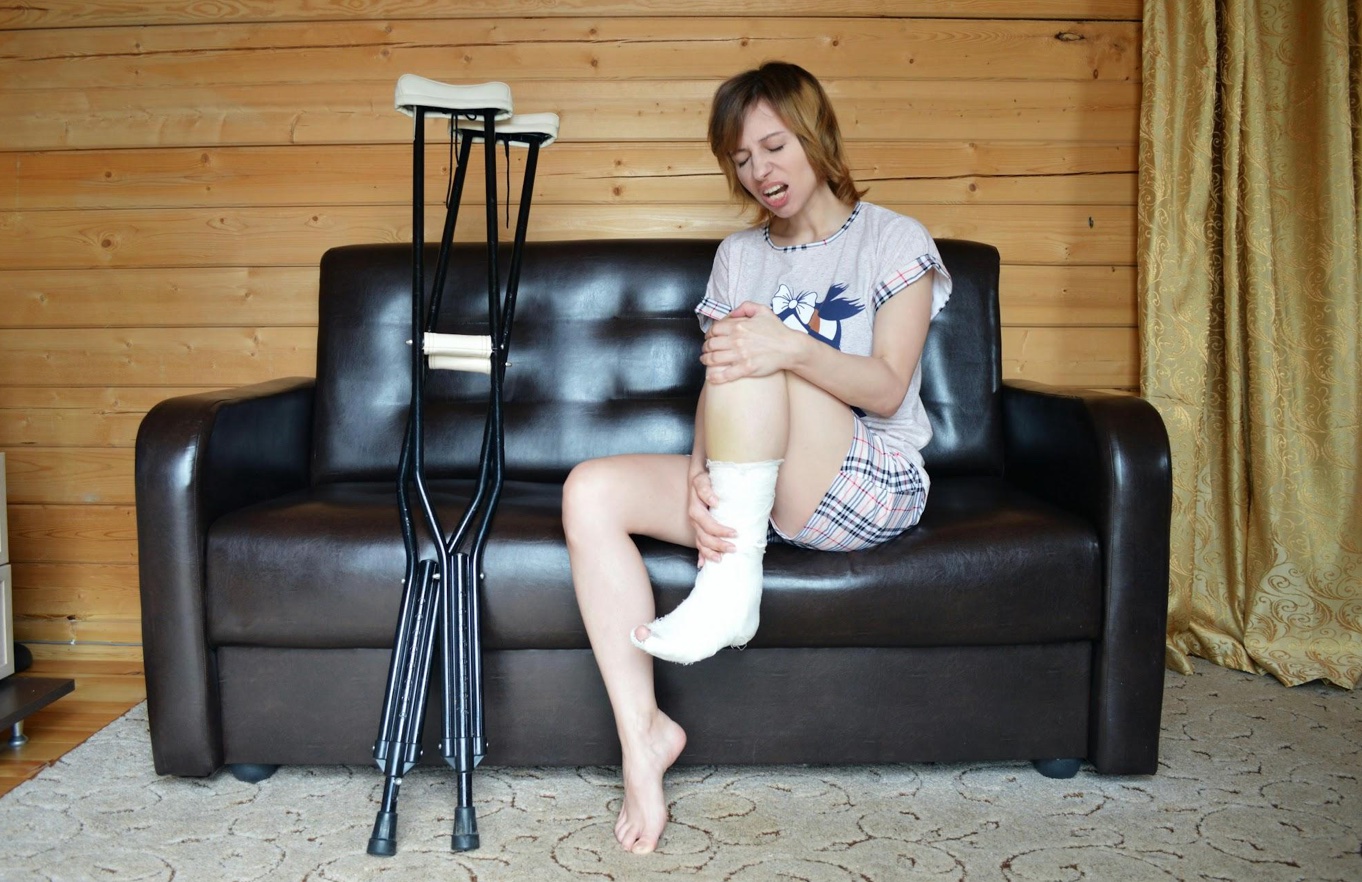
Non-economic damages are harder to measure than a hospital bill. Insurers often use one of two methods to calculate them: the multiplier method, which multiplies the cyclist’s economic damages by a number between 1.5 and 5 based on injury severity, or the per diem method, which assigns a daily dollar amount for the period of pain and recovery. Both methods rely on treatment duration, recovery limits, and how consistently the cyclist documented the day-to-day impact of the injuries.
Evidence Quality Can Strengthen or Weaken the Claim
Evidence captured in the hours and days after a crash often decides the case. Strong evidence supports the settlement value. Weak evidence opens room for the insurer to dispute fault, severity, or both.
Core evidence in a bicycle accident claim includes:
- The police report
- Driver and insurance information
- Witness statements
- Photos of the bike, vehicle, road, and injuries
- Helmet and gear damage
- Surveillance and dashcam footage if available
- Repair estimates
- Complete medical records
Cyclist-specific evidence often makes the difference in disputed cases:
- The dooring angle when a parked-car door opened into the cyclist’s path
- Sightline obstructions from parked vehicles or signage
- Bike lane blockages
- Traffic signal timing at the intersection
- The impact location on both the cyclist and the vehicle
- Road defects or design conditions that contributed to the crash
The Insurance Company’s First Offer May Not Reflect Full Value
The insurance company’s first offer often falls short of the claim’s full value. First offers typically arrive within 30 to 60 days of the cyclist filing the claim, before the cyclist’s medical recovery is complete. The insurer may not yet know whether future surgery is needed, whether physical therapy will continue for months, or whether the injury will limit long-term earning capacity. An early offer may also reflect the insurer’s disputed view of fault, an undervaluation of pain and suffering, or an effort to close the file before future care becomes apparent.
Once a release is signed, the claim is usually over even if new medical issues emerge later.
What to Know Before Accepting a Bicycle Accident Settlement
Before accepting a bicycle accident settlement, an injured cyclist should understand what the offer includes, what it excludes, and whether it accounts for the full impact of the crash. Cyclists who preserve evidence, follow through on medical care, document the day-to-day impact of the injuries, and avoid signing the first offer tend to end up with a clearer picture of what the claim is actually worth.
Join the conversation!