
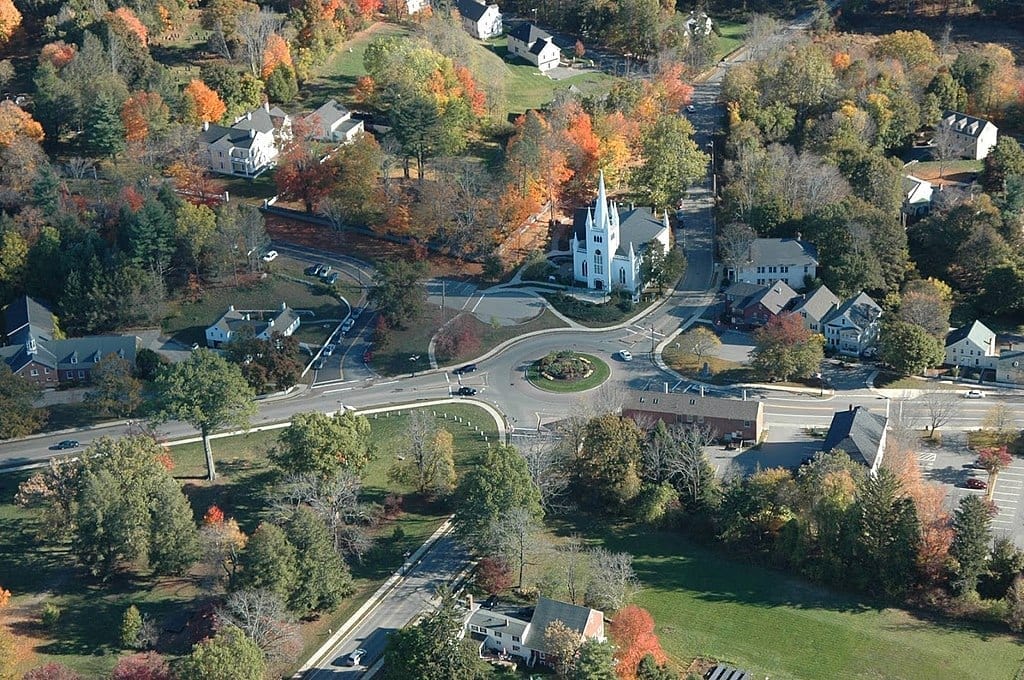
Extra caution can prevent devastating collisions.
Every year, summer car accidents in Massachusetts become a growing concern for drivers, families, and public safety officials across the Commonwealth. From Memorial Day through Labor Day, roadways experience a noticeable increase in traffic volume as residents head to beaches, vacation destinations, sporting events, and outdoor gatherings.
Combined with construction projects, tourism, and longer daylight hours, these factors create conditions that make serious crashes more likely. Understanding why accident rates rise during the summer can help drivers recognize risks and take steps to stay safer on Massachusetts roads.
What the data shows about summer car accidents in Massachusetts
Crash data consistently demonstrates that warmer months bring higher traffic volumes and increased collision rates. According to the Massachusetts Department of Transportation’s IMPACT Crash Data Portal, statewide crash patterns can be analyzed by season, roadway type, and location, helping identify periods when accidents become more frequent.
Federal data underscores the scale: NHTSA estimated roughly 39,345 traffic fatalities nationwide in 2024, and these deaths cluster in the third quarter–July through September–which overlaps with the busiest summer travel season. Historically, this period records more fatal crashes than the winter months due to increased travel and exposure on the road.
Massachusetts follows many of the same patterns seen nationwide. Urban centers such as Boston experience particularly high traffic density during summer tourism season, while major routes including Interstate 90, Interstate 93, Route 3, and Route 128 see substantial increases in traffic. Drivers navigating congested city streets, unfamiliar roadways, and crowded highways often contribute to higher crash totals during this period.
Given how concentrated crashes become in these urban corridors, residents reviewing their options after a collision often consult car accident lawyers serving Boston drivers.
When examining summer car crashes in Massachusetts, researchers frequently find that more vehicle miles traveled, combined with higher-risk driving, produces a predictable seasonal rise in collisions—part of the broader seasonal car accident trends seen across the United States.
The “100 deadliest days” and why summer roads are more dangerous
Traffic safety organizations often refer to the period between Memorial Day and Labor Day as the “100 Deadliest Days.” The term, popularized by AAA and other safety advocates, highlights the increased dangers present during the summer driving season.
Several factors contribute to this elevated risk:
- More vehicles on the road due to vacations and road trips
- Increased teen driver activity during school breaks
- Higher numbers of tourists unfamiliar with local roads
- Major highway and infrastructure construction projects
- Increased attendance at outdoor events and festivals
- More motorcycle, bicycle, and pedestrian traffic
These conditions create a perfect storm for collisions. A driver who might normally encounter moderate traffic during a winter weekday may suddenly find themselves navigating heavy congestion, lane closures, distracted drivers, and unfamiliar tourists all at once.
This helps explain why car accidents increase in summer even though road conditions are generally better than during snowy New England winters. The issue is not necessarily the condition of the roadway itself; it is the dramatic increase in traffic exposure and risky driving behaviors.
Another factor is the extended daylight. While improved visibility can reduce certain hazards, it also encourages people to stay out later, drive longer distances, and spend more time traveling to recreational activities. More driving simply means more opportunities for crashes to occur.
Top causes of summer car accidents in Massachusetts
The rise in crash rates is rarely attributable to a single cause. Instead, several risk factors converge during the summer months.
Distracted driving
Smartphones remain one of the leading contributors to traffic collisions. Drivers checking navigation apps, reading messages, or scrolling through social media often take their attention off the road for critical seconds.
Even a brief distraction can result in a rear-end collision or lane departure, particularly in stop-and-go summer traffic.
Speeding
Drivers often feel more comfortable traveling at higher speeds when weather conditions are favorable. Unfortunately, speeding reduces reaction time and increases the severity of collisions.
Summer weekends frequently see higher rates of speeding-related crashes, especially on highways leading to popular vacation destinations.
Impaired driving
Summer holidays such as Memorial Day, Independence Day, and Labor Day are often associated with increased alcohol consumption. Impaired driving remains a major factor in serious and fatal crashes throughout Massachusetts.
Construction zones
Massachusetts conducts significant roadway maintenance and infrastructure projects during warmer months. Work zones often involve:
- Narrowed lanes
- Reduced speed limits
- Sudden traffic shifts
- Construction vehicles entering traffic
Drivers who fail to adjust to changing conditions increase the likelihood of crashes.
Tourist and unfamiliar drivers
Many visitors travel through Massachusetts each summer. Drivers unfamiliar with local roads may make sudden lane changes, miss exits, or become distracted by navigation systems.
The resulting confusion contributes to the crash spike that warm-weather conditions produce each summer, a pattern traffic safety experts observe year after year.
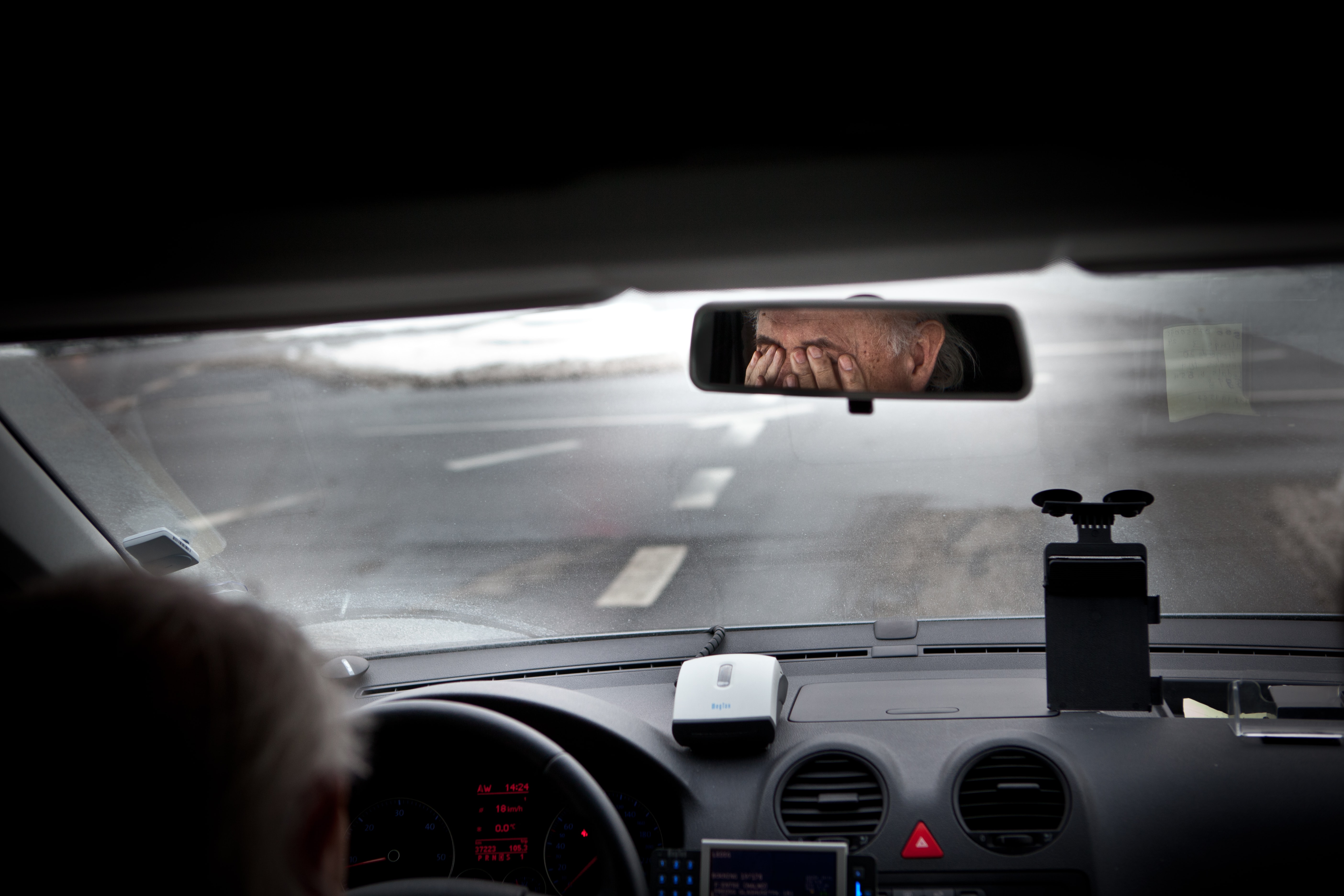
Distracted and drowsy driving on long summer trips
Road trips are a summer tradition, but long hours behind the wheel create unique risks.
Fatigue can impair judgment, slow reaction times, and reduce situational awareness. Studies have shown that drowsy driving can affect drivers in ways similar to alcohol impairment.
Major Massachusetts routes such as I-90 and I-93 often see increased vacation traffic during the summer. Drivers who begin trips early in the morning or continue late into the evening may become fatigued without realizing it.
Phone use compounds the problem. A tired driver checking directions or responding to messages is significantly more likely to miss sudden traffic changes or hazards.
Who is most at risk during the summer crash spike
Certain groups face elevated risks during the summer travel season.
Teen drivers
Teenagers spend more time driving during school breaks and often have less experience handling heavy traffic, construction zones, and long-distance travel.
National safety organizations have repeatedly identified teens as one of the most vulnerable groups during the summer months.
Motorcyclists
Warmer temperatures bring more motorcycles onto Massachusetts roads. While motorcycles offer flexibility and fuel efficiency, riders have significantly less protection than occupants of passenger vehicles.
Pedestrians
Summer encourages walking, outdoor dining, festivals, and community events. Increased pedestrian activity naturally raises the risk of vehicle-pedestrian collisions.
Cyclists
Massachusetts communities continue to see growth in recreational and commuter cycling. Cyclists share roads with vehicles but remain particularly vulnerable in crashes.
Families on road trips
Families often spend extended periods traveling during vacations. Long hours, unfamiliar roads, and driver fatigue can increase crash risks.
These groups are especially exposed to the summer driving risks that Massachusetts residents and visitors face every year.
How Massachusetts no-fault insurance applies after a summer accident
Massachusetts operates under a no-fault auto insurance system.
After most accidents, injured drivers first seek compensation through their own Personal Injury Protection (PIP) coverage—no matter who caused the collision.
PIP benefits generally help cover:
- Medical expenses
- Lost wages
- Certain replacement services
However, Massachusetts law allows injured individuals to pursue claims against the at-fault driver under certain circumstances.
One important threshold involves medical expenses. When accident-related medical bills exceed $2,000, or when serious injuries are present, an injured person may be able to step outside the no-fault system and pursue additional damages.
Massachusetts also imposes a statute of limitations. In most motor vehicle accident cases, injured individuals generally have three years from the date of the crash to file a lawsuit.
Understanding deadlines is critical because waiting too long can jeopardize the ability to recover compensation.
Many accident victims also have questions about claim timelines. Insurance investigations, medical treatment, negotiations, and litigation can all affect the duration of a case. Speaking with attorneys can help individuals understand their legal options and evaluate the specific circumstances of their accident.
The complexity of no-fault rules and injury thresholds is one reason many drivers seek legal guidance after serious collisions occurring during the summer months, when Massachusetts traffic accidents tend to peak.
Practical steps to reduce your risk this summer
Although crash rates tend to increase during the summer, drivers can take proactive steps to reduce their risk.
Perform vehicle maintenance
Before taking a road trip, inspect:
- Tires and tire pressure
- Brakes
- Windshield wipers
- Fluid levels
- Battery condition
- Exterior lights
Mechanical failures can quickly turn a routine trip into an emergency.
Avoid peak travel periods
If possible, travel during off-peak hours rather than during holiday weekends or Friday evening rush periods.
Less congestion often means fewer opportunities for collisions.
Plan around construction zones
Check traffic alerts before departing. Many navigation apps provide real-time information about lane closures, road work, and delays.
Eliminate distractions
Put phones away before driving. Configure navigation, music, and other settings before entering traffic.
Manage fatigue
Get adequate sleep before long trips and schedule regular rest breaks.
Drive defensively
Assume other drivers may make mistakes. Leave additional following distance, especially in construction zones and high-tourism areas.
Watch for vulnerable road users
Be particularly attentive to:
- Motorcyclists
- Cyclists
- Pedestrians
- Teen drivers
Extra caution can prevent devastating collisions.
Summer offers some of the best driving weather of the year, but it also brings heavier traffic, increased tourism, and greater exposure to risk. By understanding the factors behind summer car accidents in Massachusetts, drivers can make safer decisions, protect their families, and reduce the likelihood of becoming part of the annual surge in crashes that occurs between Memorial Day and Labor Day.
Join the conversation!