
The good news is that advances in technology, increased awareness, and stricter regulations are helping mitigate the issue of distracted driving in the commercial transportation industry.
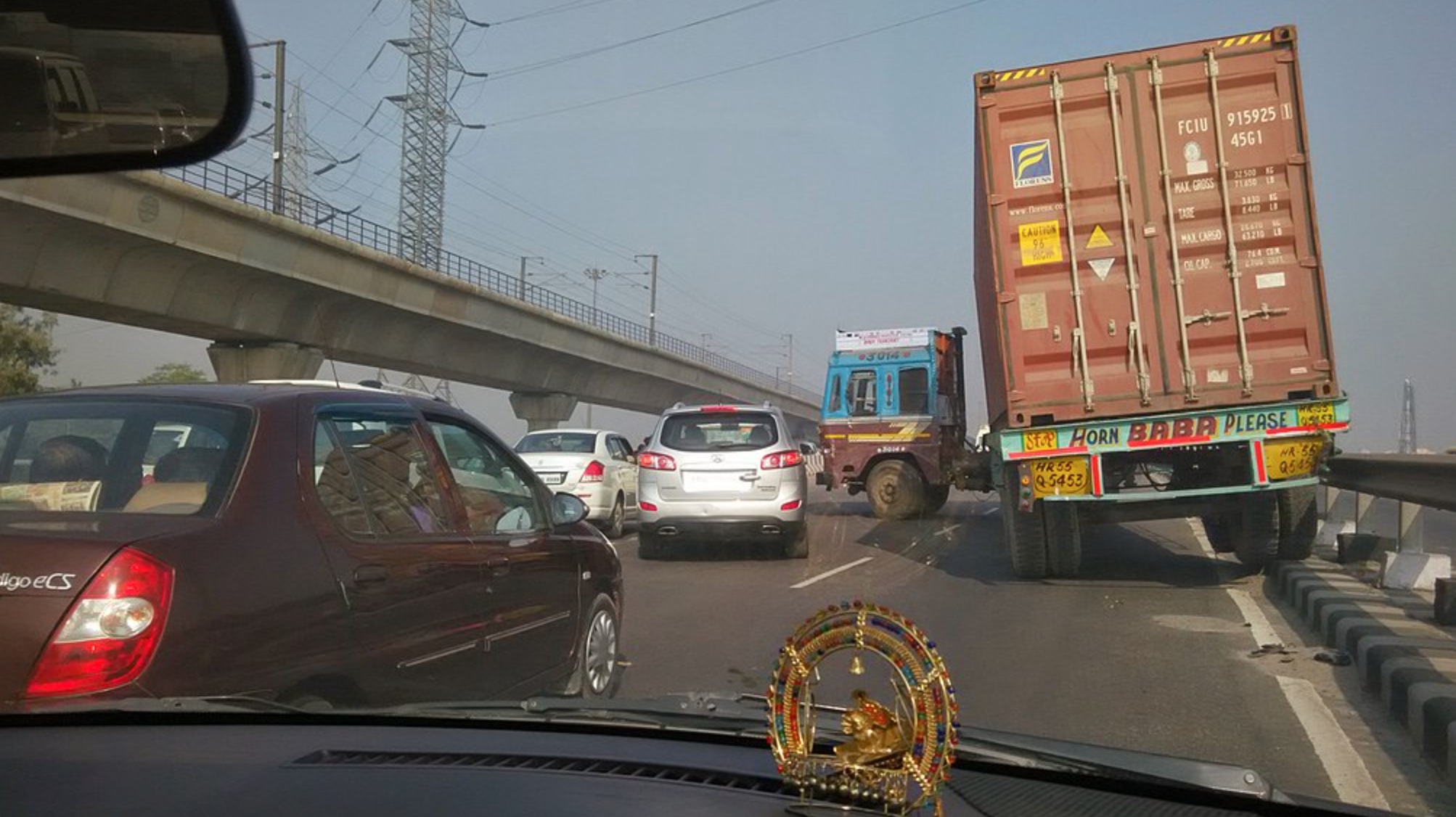
If a commercial driver has even a brief lapse in attention, it can result in a catastrophic crash involving large, heavy vehicles. That’s why distracted driving remains a serious concern on roads and highways. The size and momentum of commercial trucks means that mistakes frequently have far more severe consequences than collisions involving passenger vehicles.
Regulations are in place to deal with this; safety technology and training programs also help. Yet distracted driving remains a persistent problem, and you need to understand why if you share the road with commercial vehicles. From demanding schedules to electronic devices, several factors can pull a driver’s attention away from the road, increasing the risk of a serious accident.
Why Distractions Behind the Wheel Create Significant Risks
Commercial drivers spend long hours on the road, frequently going hundreds of miles in just one shift. Professional drivers do receive specialized training, but they’re still susceptible to the same distractions that affect everybody else. From looking at a phone and responding to messages or eating a meal and adjusting navigation equipment, commercial drivers can have their attention diverted away from driving for several crucial seconds.
A few seconds is all it takes to change everything.
Compared to passenger cars, trucks, and SUVs, the dangers are even greater given the vehicles involved. A fully loaded tractor-trailer can weigh as much as 80,000 pounds.
That’s a weight that requires considerably more distance to stop than a passenger vehicle weighing just a few tons does. If a commercial driver glances away from the traffic ahead for a single moment, they might miss changing road conditions until it’s too late to safely react.
Technology helps but also complicates matters. Everything from in-cab monitoring equipment and GPS systems to dispatch communications and electronic logging devices helps improve both efficiency and compliance. Simultaneously, these systems can create additional manual, visual, and cognitive distractions if drivers must interact with them while operating a vehicle.
Hands-free communication is often assumed to minimize distractions. Yet, even this kind of communication can still occupy a driver’s mental attention, reducing their awareness of surrounding traffic.
Work demands can also increase distraction levels. Commercial drivers often have to juggle delivery schedules, weather conditions, route changes, customer communications, and vehicle inspections throughout a normal day. With multiple responsibilities competing for attention, the risk of missing important roadway hazards increases. What stands out is how many distractions happen during routine tasks that might seem harmless until they coincide with a sudden traffic event.
Fatigue frequently amplifies the issue. A tired driver might need more time to process information, recognize hazards, or make decisions.
Combine fatigue with distractions, and reaction times slow dramatically. A large commercial vehicle traveling at highway speeds can lose the few extra seconds that make the difference between a near miss and a consequential collision.
Common Causes of Distracted Driving in the Commercial Transportation Industry
Among the recognized sources of driver distraction, mobile phones tend to stand out the most. Federal regulations restrict handheld phone use by commercial drivers, but violations still happen. If a driver texts, checks notifications, or views information on a screen, it can take their eyes off the road long enough for their commercial truck to travel the length of a football field at highway speeds.
Navigation systems and electronic devices inside the cab present more challenges. Drivers frequently rely on technology to monitor routes, find destinations, and receive dispatcher updates. Entering information while driving or while trying to troubleshoot equipment can shift a driver’s focus away from surrounding traffic conditions.
Daily activities that look minor can also be dangerous distractions. Eating meals and drinking beverages commonly happen on the go to keep the truck moving, but commercial drivers might also glance away from the roadway or take a hand off the wheel to reach for items in their cabs or adjust climate controls. Some drivers review paperwork while driving.
These actions frequently happen in a moment where the driver feels comfortable. However, that can create a false sense of security.
To make matters worse, not every distraction involves a screen or physical item.
Mental distractions deserve attention, too. From work stress and scheduling pressures to financial concerns and personal issues, many mental matters can reduce a driver’s concentration, even if their eyes are still on the road. A mentally preoccupied driver might miss crucial cues or respond more slowly to sudden hazards.
How Distracted Driving Affects Accident Investigations and Liability
When a commercial truck crash happens, investigators frequently examine the role that distraction might have played in the incident. Evidence can include electronic logging data, dispatch communications, and onboard camera footage, and in many cases, they can also collect witness statements and phone records. All these records can help establish what a driver was doing in the moments leading up to the collision.

If you get injured in a truck accident or have been, proving distraction can significantly influence liability determinations. Was the driver texting or using a handheld device? If they were engaging in these or another distracting activity, it might strengthen your claim that negligence contributed to the crash.
This is one reason why an experienced truck accident lawyer like personal injury attorney Tad Thomas might conduct a detailed review of the available evidence. They’ll cover both the electronic and documentary factors involved.
Liability issues sometimes extend beyond the actual driver. Depending on the circumstances, transportation companies might face scrutiny for everything from training practices and safety policies to supervision and expectations placed on their drivers. A truck accident lawyer might investigate whether company procedures encouraged behaviors known to increase the risk of distraction.
The details of a truck accident can be complicated, but they often matter more than people realize.
Understanding the Ongoing Safety Challenge
The good news is that advances in technology, increased awareness, and stricter regulations are helping mitigate the issue of distracted driving in the commercial transportation industry. However, it still presents a significant threat. A combination of demanding work environments, large vehicles, and daily distractions creates risks that can affect everyone on the road. Now that you know how these distractions happen and how they contribute to serious crashes, you can better appreciate the importance of safe driving practices at all times and accountability when accidents inevitably occur.
Join the conversation!