
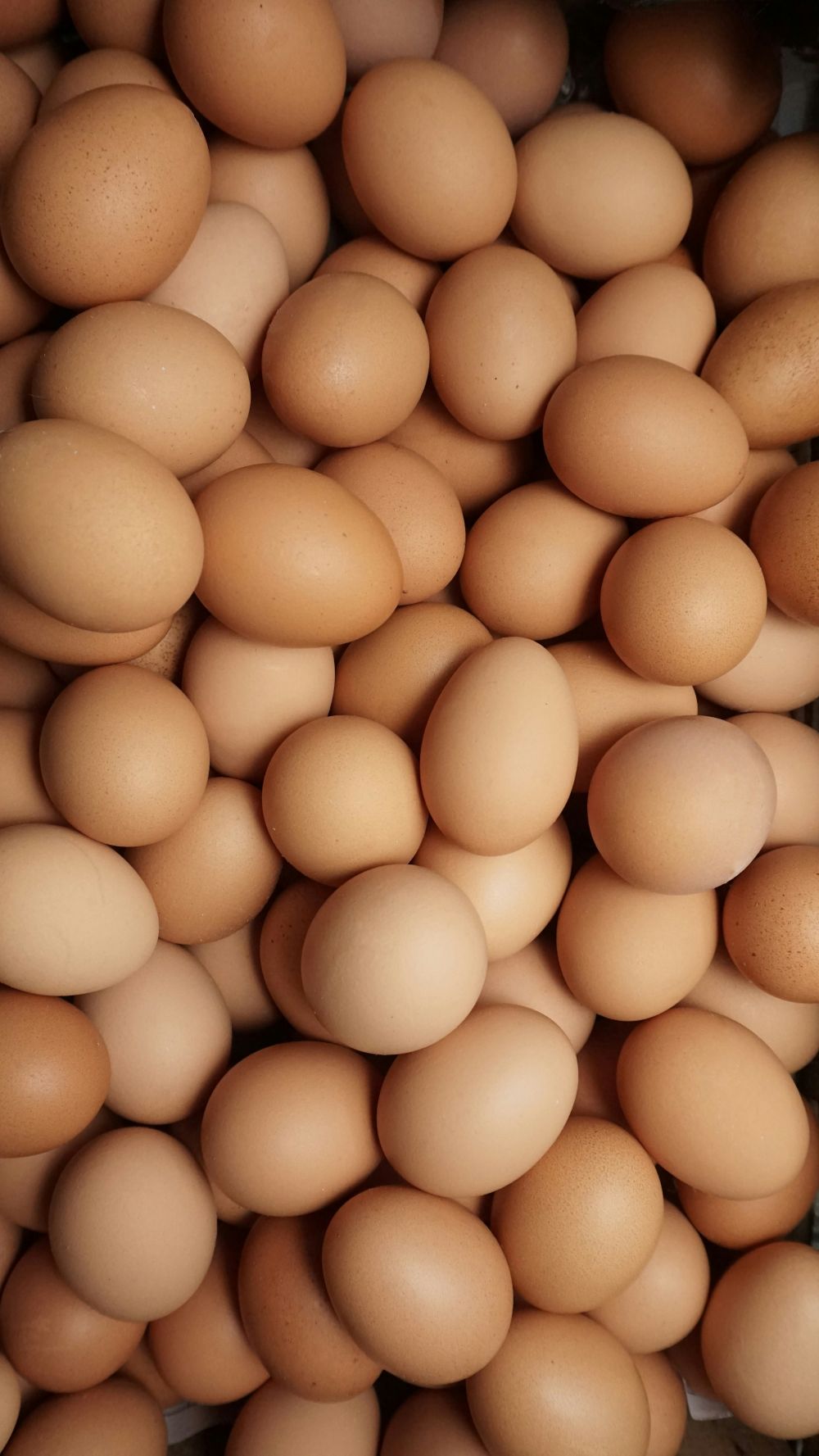
Shoppers should check egg cartons for recalled products linked to Salmonella contamination.
The U.S. Food and Drug Administration (FDA) has announced a large egg recall after possible Salmonella contamination was found in products from Midwest Poultry Services L.P. The action covers more than 1.5 million dozen eggs that came from two company farms in Texas. The eggs were sent to grocery stores and food service businesses in six states, giving many shoppers a reason to check cartons already sitting in home refrigerators. White shell eggs and brown cage-free eggs sold under several well-known store and private-label brands are part of this recall. Among them are Kroger, Country Morning, Brookshire’s, Simple Truth, and Sunups. Some bulk egg products supplied to food service businesses are also part of the action. The eggs were sold in Texas, Louisiana, Arkansas, Mississippi, New Mexico, and Oklahoma through Kroger, Brookshire Grocery Stores, and other smaller retailers.
According to the FDA, anyone with eggs in their homes should check the cartons for best-by dates between July 20, 2026, and August 17, 2026. The recalled eggs also carry plant code P-1950 or code 840962. These markings can usually be found on the carton or directly on the eggs, making them easier to identify. Many package sizes, ranging from half-dozen cartons to large family packs, along with bulk cases sold to restaurants and other commercial customers, are included
The company began the recall after finding a problem connected to two Texas production farms. Since that time, fresh egg shipments from those locations have stopped. Health officials advise that eggs with these best buy dates and numbers should not be eaten, even if they appear fresh and show no signs of damage. Salmonella cannot be seen, smelled, or tasted, making it impossible for shoppers to know whether an egg is contaminated simply by looking at it. People who have purchased the recalled products should throw them away or return them to the store where they were bought for a refund.

Salmonella is a type of bacteria that can cause food poisoning, which in many cases can produce severe symptoms. Usually, healthy people recover without medical treatment, but the illness can still be unpleasant. Common signs include fever, diarrhea, stomach cramps, nausea, and vomiting. Symptoms often begin several hours to several days after eating contaminated food and may last for several days. Certain populations face a greater chance of developing the serious form of the illness. Young children, older adults, and people with weakened immune systems are more likely to suffer severe infections. In some cases, the bacteria can spread beyond the intestines and enter the bloodstream, leading to a dangerous situation requiring hospitalization. Rare complications can include infections affecting the heart, blood vessels, or joints.
Anyone who has already ingested the eggs included in the recall should watch for signs of symptoms associate with Salmonella contamination. Medical care should be sought if symptoms become severe, continue for several days, or include dehydration, high fever, or bloody diarrhea. A healthcare provider can determine whether further testing or treatment is needed. The FDA is also encouraging people to clean any surfaces, containers, or utensils that may have touched the recalled eggs these may also be contaminated. Washing hands thoroughly after handling raw eggs and cooking eggs until both the whites and yolks are firm can reduce the chance of illness from bacteria that may be present in other products.
Sources:
Map Shows Where Millions of Eggs Recalled Over Salmonella Concerns
1.5 million dozens eggs produced in Texas recalled for Salmonella
Join the conversation!