
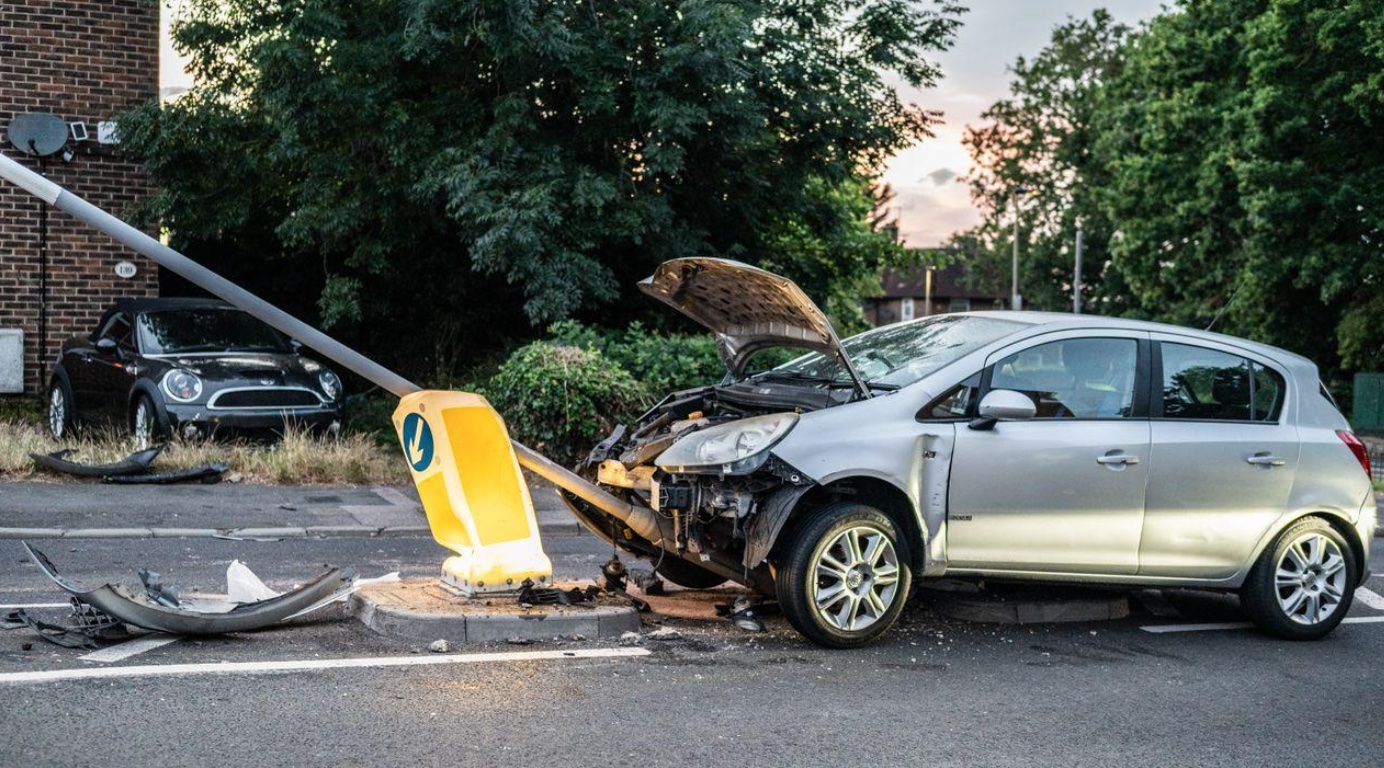
Protecting yourself after a crash isn’t complicated once you know the order of operations.
You’re fine. That’s usually the first thing people say after a crash. Then three days later their neck won’t turn and they can’t figure out why the insurance company suddenly stopped returning calls.
Here’s what actually happens in the hours and weeks after a car accident, and why the order you do things in matters more than most people realize.
Call it in. Always.
Doesn’t matter if it’s a fender-bender or you think nobody’s hurt. New York law requires a police report once you’re looking at injury, death, or over $1,000 in damage, and that threshold gets hit faster than people expect. A cracked bumper alone can clear it.
Don’t let the other driver talk you into handling it “between us.” I’ve seen that go sideways more times than I can count, where the other side later claims you rear-ended them when it was the opposite. No report, no leverage.
When police show up, just say what happened. Not what you think happened, not who you guess was speeding. Facts only. “I was stopped at the light and got hit from behind” is a complete sentence. It’s also all you owe anyone at that moment.
Your body doesn’t always tell you right away
This one trips people up constantly. Adrenaline is a hell of a drug and it hides pain for a day, sometimes three. Concussions, whiplash, disc injuries, none of them always announce themselves at the scene.
So go to urgent care or the ER the same day. Even if you feel okay. Especially if you feel okay, honestly, because that feeling can be gone by Thursday and now you’ve got a five-day gap between the crash and your first complaint of pain. Insurance adjusters live for that gap. They’ll say the injury came from somewhere else. A gym session. A bad night’s sleep. Anything but the crash.
Take the photos. All of them.
Cars, plates, skid marks, the intersection, your own visible injuries if there are any. Get names and numbers from anyone standing around who saw it. A stranger on the sidewalk who watched the other guy blow through a red light is worth more to your case than almost anything else you could produce.
Write down the weather. The time. Whether the sun was blinding you. Small stuff, but you won’t remember any of it in six months, and six months is exactly when someone will ask.
The insurance company is going to call. Be careful.
Probably within 48 hours. They’ll sound friendly. They are not your friend.
Give them your name and the basic facts. That’s it. Don’t do a recorded statement without talking to someone first, and don’t answer “how are you feeling” with “I’m okay” just to be polite, because that exact sentence can end up quoted back to you later as proof you weren’t really hurt. People say it out of habit. It costs them.
No-fault insurance, and why it’s not the whole story
New York runs on a no-fault system. Your own policy covers your initial medical bills and lost wages up to $50,000 through PIP, regardless of who caused the wreck. Fine. That part’s simple.
What isn’t simple: if your injury is serious enough under the state’s legal threshold (Insurance Law 5102(d), if you want to look it up), you can go beyond no-fault and sue the other driver directly for pain and suffering and anything PIP didn’t cover.
Proving “serious injury” in the legal sense takes real medical documentation, not just a doctor’s note saying you’re hurt. This is usually where people stop trying to handle it solo and bring in a car accident lawyer in Amityville, because the threshold argument is genuinely technical and insurance companies fight it hard.
Clocks are ticking, and some are shorter than you think
Three years. That’s your general window to sue for a car accident injury in New York. Sounds generous.
It isn’t, really. Surveillance video from the gas station on the corner gets wiped in 30 to 90 days most of the time. Witnesses stop answering their phones. Memories go soft.

And if a government vehicle was involved, a city bus, a sanitation truck, whatever, you might only have 90 days to file a notice of claim. Ninety days. Miss it and the case is dead before anyone even argues the merits.
Keep a folder. Doesn’t have to be fancy, a shoebox works. Bills, receipts, repair estimates, pay stubs showing the days you missed. If you’re doing physical therapy twice a week, jot down how you’re feeling after each session. It sounds tedious. It matters when someone tries to argue your pain isn’t real.
For context on what actually counts as damages beyond the ER bill, FindLaw’s breakdown of car accident claims covers things like lost earning capacity that most people never think to ask about.
Do not sign the first check they hand you
Sometimes an offer shows up within two weeks. It can look decent, especially if bills are piling up and you just want it over with. Don’t sign.
Once you cash that check and sign the release, you’re done. No do-overs. If it turns out you need surgery in month six, too bad, you already settled. Have someone who actually knows what your claim is worth look at the number before you agree to anything. This single step saves people more money than almost anything else on this list.
Who you hire actually matters
Not all attorneys work car accident cases the same way, and it’s worth checking who you’re dealing with before you sign a retainer. Peer-reviewed recognition, like Levine & Wiss, PLLC’s listing on Super Lawyers, reflects evaluation by other attorneys in the field, not just marketing spend.
Ask blunt questions. How many of these cases have you actually handled. Do you settle everything or will you go to trial if you have to. What’s your cut if we win. If someone dodges those questions, that tells you something too.
The waiting part is real, and it’s annoying
Some claims wrap up in a few months. Others drag for over a year, especially if you’re still in treatment or the case ends up in litigation. There’s no way around that timeline most of the time.
What you can control: stay consistent with treatment. Don’t skip appointments for three weeks because life got busy, because that gap becomes ammunition. Check in with your attorney instead of assuming no news is good news.
Protecting yourself after a crash isn’t complicated once you know the order of operations. Get checked out fast. Document everything before you forget it. Don’t talk yourself into a bad settlement just because you’re tired of dealing with it. That’s most of it, honestly.
Join the conversation!