
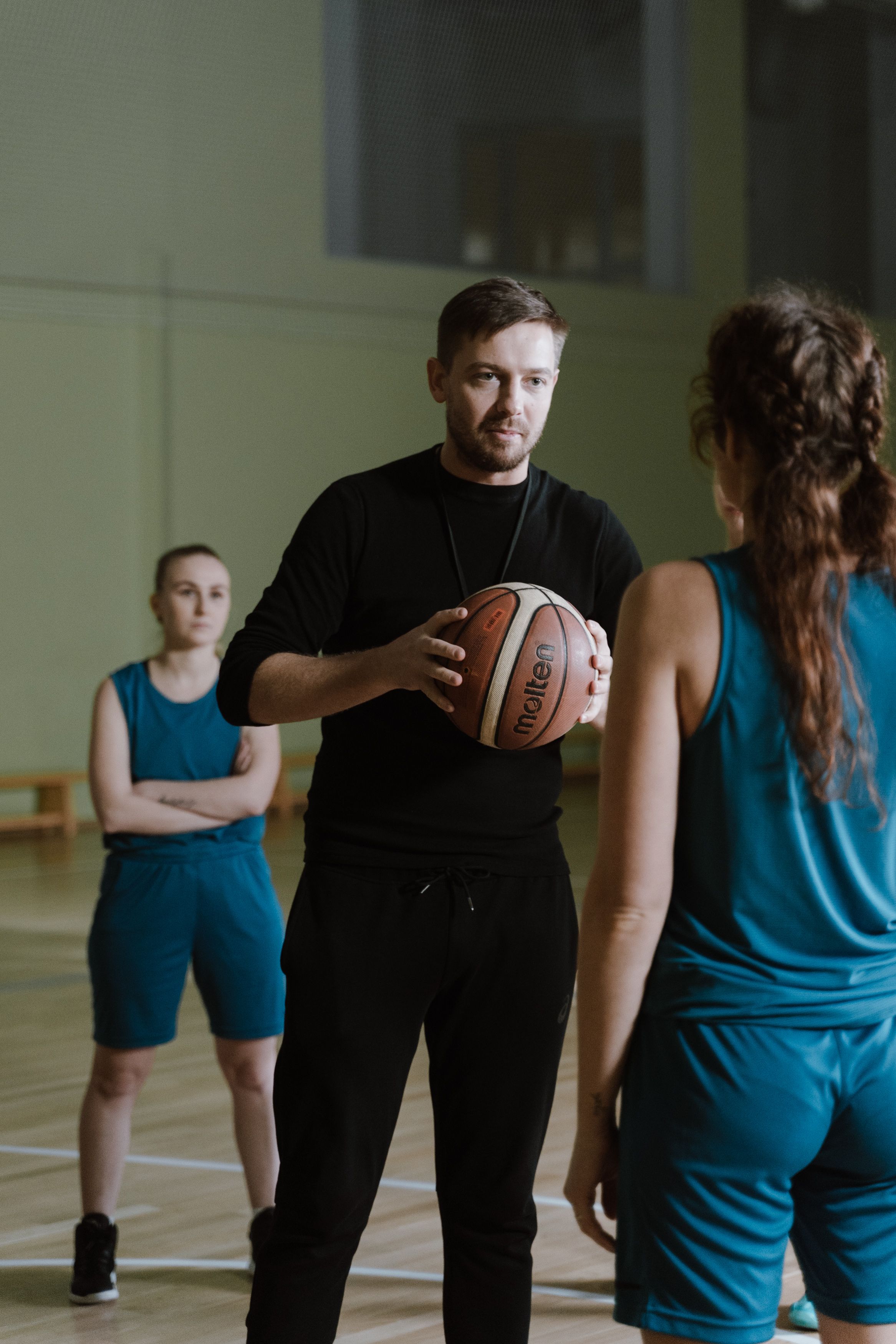
Many athletes miss subtle abuse warning signs, prompting calls for education.
A study from the University of the Basque Country in Spain has found that many athletes struggle to recognize less obvious forms of sexual abuse by coaches. While most participants recognized clearly coach abuse when actions are obviously sexual in nature, everyday actions such as hugs, personal conversations, and extra attention were less likely to raise concerns. Researchers say these behaviors may become part of abuse when they occur within a wider pattern of grooming, secrecy, or misuse of authority.
The research was carried out by the GIKAFIT research group at the University of the Basque Country. Andrea Sáenz examined how athletes understand different interactions with coaches and whether they recognize when those interactions may cross personal boundaries. The study included questionnaires completed by 292 athletes and interviews with six people who had experienced sexual violence in sport while they were children or teenagers.
The findings showed that sexual violence and coach abuse in youth sports may be more common than many people realize. In the research, 20% of participants reported experiencing sexual behavior from coaches. Examples included kissing on the lips, expressions of sexual interest, and direct requests for sexual relationships. Researchers noted that the topic often remains hidden because people may assume that abuse is unlikely to occur within sports settings.
The questionnaire asked athletes to consider 24 different coach behaviors and decide whether each could be linked to sexual violence. More than 80% identified clearly sexual actions, including requests for sexual contact in exchange for special treatment, kissing on the lips, and staring at an athlete’s breasts or buttocks. However, behaviors such as hugging, asking about free-time activities, offering individual attention, or arranging one-on-one contact were much less likely to be viewed as abusive.

Interviews with survivors added another layer to these findings. When reflecting on their experiences, some participants recognized that seemingly ordinary interactions had been part of a process that led to abuse. Researchers explained that grooming does not always begin with an openly sexual act. It may start with special attention, gifts, private conversations, or treatment that makes a young athlete feel valued. These actions can appear kind or supportive, especially to a child, while gradually creating an unhealthy relationship.
The researchers stressed that a single hug or private conversation does not automatically mean abuse has occurred. Coaches often need to build trust with athletes, provide encouragement, and offer individual support. Physical contact may also be a normal part of certain sports. The concern arises when interactions become part of a larger pattern involving special treatment, emotional dependence, secrecy, or an imbalance of power.
For that reason, the context surrounding an interaction matters. A supportive hug after a competition may be appropriate, while repeated physical contact directed at one athlete and combined with secrecy or pressure may signal a boundary problem. Looking at the overall relationship, rather than judging one action in isolation, can help identify behavior that deserves attention.
The study points to education as an important part of preventing sexual violence in sports. Athletes need clear information about healthy boundaries, grooming, and the ways inappropriate behavior can develop. Understanding these patterns may help young people recognize when a relationship feels uncomfortable or begins to change in concerning ways. It may also make it easier for them to seek help or speak with a trusted adult.
Training for coaches and other sports professionals is also important. Researchers recommend creating environments where supportive relationships are open and transparent, unnecessary isolation is reduced, and one-on-one meetings are visible to others. Sports organizations can also strengthen reporting procedures and make sure athletes know where to turn when they have concerns. By helping athletes and sports professionals recognize warning signs ahead of time, organizations may be better prepared to prevent abuse and respond more readily when concerns arise.
Sources:
Athletes struggle to recognize subtle signs of coach sexual abuse
Join the conversation!