
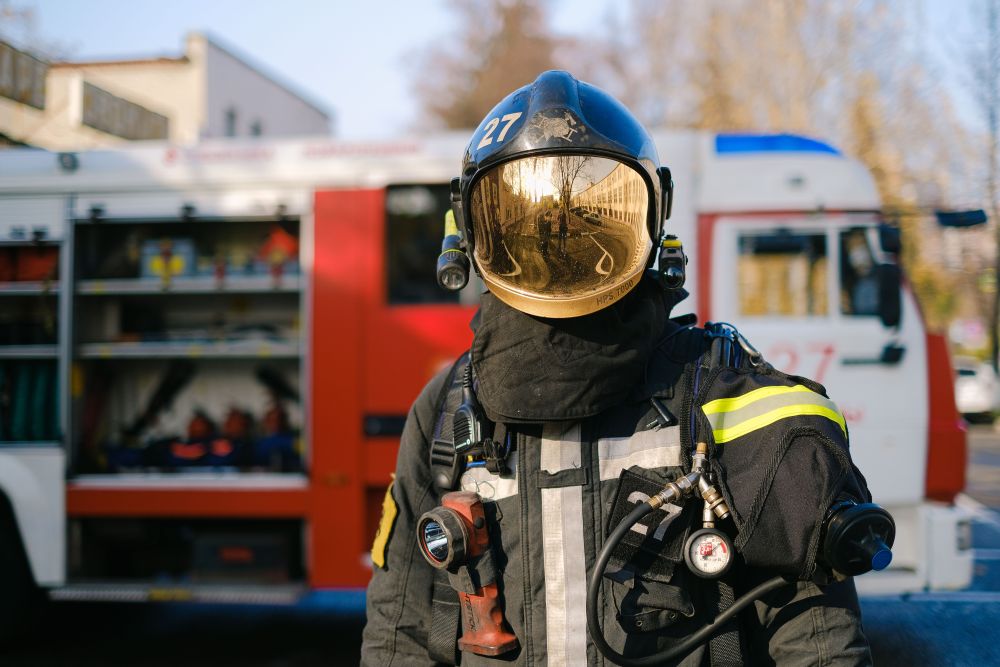
Survey results reveal why many volunteer firefighters struggle to access routine checkups
A new study from Texas A&M University has found that many volunteer firefighters in Texas are missing out on regular health screenings, despite facing serious health risks tied to their work. Researchers found that fewer than three out of every ten volunteer firefighters surveyed had received an annual screening, raising concerns about whether these first responders have access to the care needed to catch health problems early.
Firefighters face a range of health concerns because of the conditions they encounter while responding to emergencies. Regular exposure to smoke, chemicals, and other harmful materials can increase the risk of certain cancers and long-term breathing problems. The physical demands of the job can also contribute to heart disease, while repeated exposure to traumatic events may lead to post-traumatic stress disorder (PTSD).
In 2022, the International Agency for Research on Cancer classified firefighting as a Group 1 carcinogenic occupation. This classification recognizes that the work carries a known cancer risk. Since then, efforts have been made to improve access to routine screenings. The National Fire Protection Association introduced a standard recommending yearly health checks for firefighters, while Texas lawmakers passed the Wade Cannon Act, also known as House Bill 198, to encourage regular screenings.
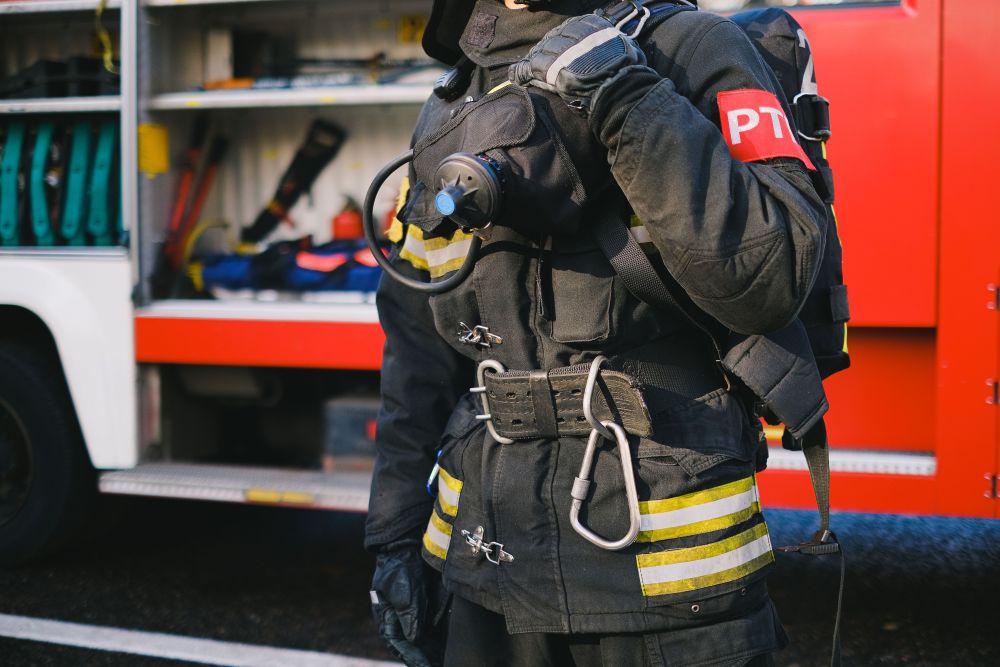
However, these efforts do not cover all firefighters equally. The national screening standard is voluntary, meaning departments are not required to follow it. Texas House Bill 198 applies to career firefighters rather than volunteer crews. This leaves many volunteers without the same access to routine checks, even though they make up a large part of the state’s firefighting workforce.
Volunteer firefighters account for about two-thirds of all firefighters in Texas and serve many rural communities. In areas where paid emergency crews are limited, volunteers often provide much of the local response to fires and other emergencies. Yet these workers may have trouble finding nearby clinics, paying for appointments, or taking time away from their regular jobs to receive care.
The Texas A&M research team examined these concerns through an online survey conducted between August and September 2024. The survey was offered in English and Spanish and included responses from 326 volunteer firefighters across Texas. Participants answered questions about their background, access to occupational health screenings, and reasons they might not receive them.
Only 86 of the 326 participants, or 26.4 percent, reported receiving an annual health screening. That means nearly three-quarters of those surveyed did not receive the recommended yearly check. The findings showed that several common problems stood in the way of getting care.
The cost of screenings was the most frequently reported concern. A lack of health insurance also made it harder for some volunteers to schedule appointments. Others said they did not know where to go for the screenings or could not find healthcare providers offering the services. Limited time was another concern, especially for people balancing volunteer firefighting with full-time jobs and family responsibilities.
Lead author Samikshya Badal, who was a graduate student with the USA Center for Rural Public Health Preparedness at the time of the study, said volunteer firefighters face two sets of challenges. Like other residents in rural areas, they may have limited access to nearby healthcare and face long waits for appointments. At the same time, their work exposes them to health risks that can require more frequent monitoring.
The researchers believe several changes could make screenings easier to obtain. One option would be for fire departments to work directly with local healthcare groups to arrange screening events at fire stations or other community locations. Mobile clinics could also bring services closer to volunteers who live far from hospitals and medical offices. Telehealth appointments could allow firefighters to discuss results without making another long trip. The team also suggested providing more information to firefighters and their families about job-related health risks and the value of regular checkups. Clearer rules for screening programs could help departments offer consistent services and reduce confusion about what tests are needed. Researchers say bringing screenings into the communities where volunteers serve could help more of them receive regular checks and address health concerns sooner.
Sources:
Most Texas Volunteer Firefighters Lack Annual Health Screenings Despite
Study: Despite programs for firefighter health, most rural firefighters are left behind
Rural Firefighters Left Behind by Health Programs, Study Finds
Join the conversation!