
James Franco Reaches Settlement With “Sexually Exploited” Acting Students
Franco allegedly coerced women into producing “orgy type” scenes in his now-defunct Studio 4 acting school.


Ryan Farrick is a writer and small business advertising consultant based out of mid-Michigan. Passionate about international politics and world affairs, he’s an avid traveler with a keen interest in the connections between South Asia and the United States. Ryan studied neuroscience and has spent the last several years working as an operations manager in transportation logistics.
Franco allegedly coerced women into producing “orgy type” scenes in his now-defunct Studio 4 acting school.

The judge found that Nunes’s lawsuit didn’t meet certain filing criteria, and also fell short of the court’s standards.

The U.S. Supreme Court has previously refused to hear cases filed against chocolate companies overseas.

An Amazon seller told Congress that the online retailer coerces merchants hoping to its use platform into signing unfair arbitration agreements. According to CNBC, Jacob Weiss—the owner of OJ Commerce, a company specializing in home goods—told the U.S. House Judiciary Committee that he relies on Amazon’s commercial platform to survive and thrive. Since Amazon is

Florida senators are moving forward with a plan to eliminate the state’s no-fault auto insurance system. According to The Tampa Bay Times, the Senate Judiciary Committee recently approved SB 54, a bill that would eliminate no-fault while mandating that motorists carry bodily injury coverage. Under the current no-fault system, drivers in Florida are required to

A North Carolina woman who struck big with a lucky Powerball ticket is facing an unexpected challenge to her winnings—filed by her ex-fiancé, who is serving a 10-year prison sentence for drug trafficking. The News & Observer reports that Marie Holmes made it big in 2015. Holmes as, at the time, only 26 years old.

Rachel Mosby says she was terminated soon after she began reporting to work as a woman.
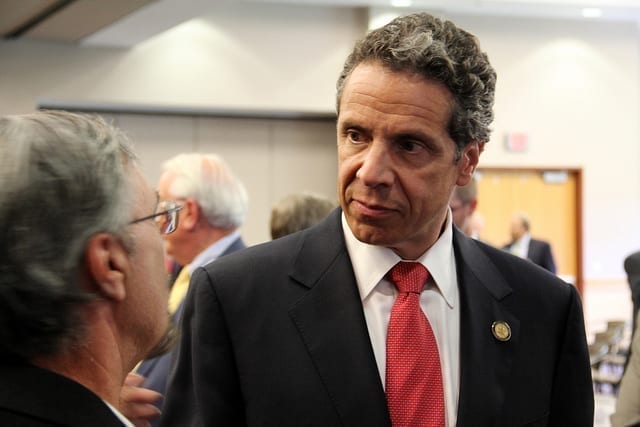
New York Governor Andrew Cuomo was long praised for his state’s effective response to novel coronavirus. Cuomo’s rapid shutdowns and social distancing dictates were among the strictest in the nation, and have been credited with saving tens of thousands of lives. “In ordinary times, Mr Cuomo’s relentlessness and bullying drive New Yorkers crazy,” the Times once

The City of St. Louis will pay $5 million to Luther Hall, a Black policeman who was beaten by fellow officers while working an undercover job during the Jason Stockley protests in 2017. KMOV4 reports that Hall was assigned to work within a crowd of protesters following the acquittal of St. Louis Police Officer Jason

Rep. Bernie Thompson (D-MS) claims that the President and his former attorney, Rudy Giuliani, intentionally encouraged protesters to storm the U.S. Capitol.