
WHO Calls for Urgent Interventions for Adolescent Health
The agency drew attention to the issues experienced by teens in some of their most vulnerable and formative years.


Sara is a credited writer, editor, contributor, and essayist, as well as a novelist and poet with more than two decades of experience in media arts. A seasoned publishing professional, she's worked for newspapers, magazines and book publishers in content digitization, editorial, acquisitions and intellectual property. Sara is a member of the International Association of Writers & Editors, has received numerous awards and has been an invited speaker at a Careers in Publishing & Authorship event at Michigan State University and a Reading and Writing Instructor at Sylvan Learning Center. She is also a mental health therapist, clinical supervisor and entrepreneur, holding an MBA degree with a concentration in Marketing and an MA in Clinical Mental Health Counseling (graduating with a 4.2/4.0 GPA). Additionally, she is a member of Chi Sigma Iota, was on her local chapter's board, and a 2020 recipient of the Donald D. Davis scholarship recognizing social responsibility. Sara is certified in children's book writing, HTML coding and social media marketing. Her nine books can be found on Amazon.
The agency drew attention to the issues experienced by teens in some of their most vulnerable and formative years.
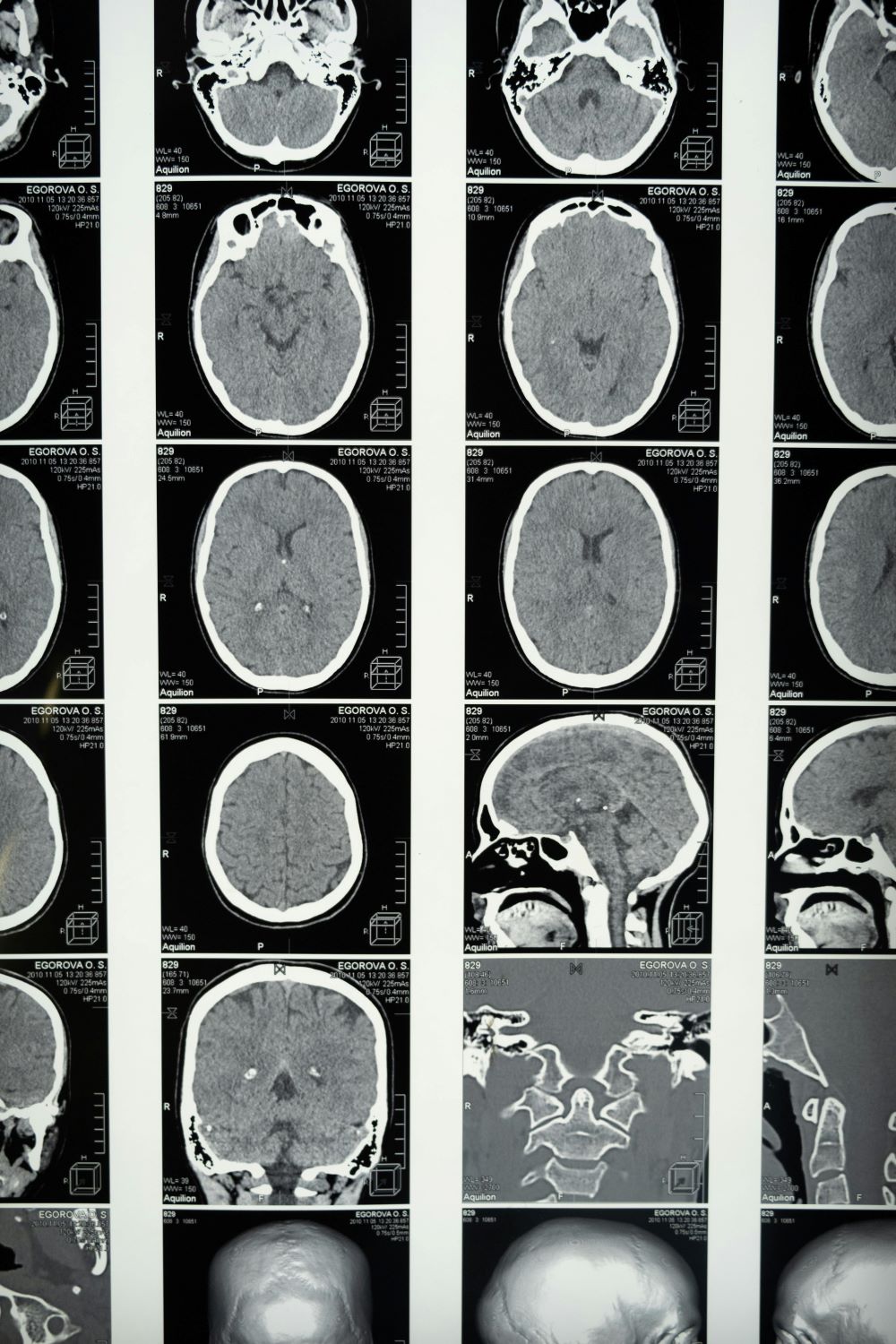
Scientists find DNA sequences hold the key to improving diagnosis and treatment.

Strenuous cycling over a week significantly reduces visceral fat and improves metabolism.
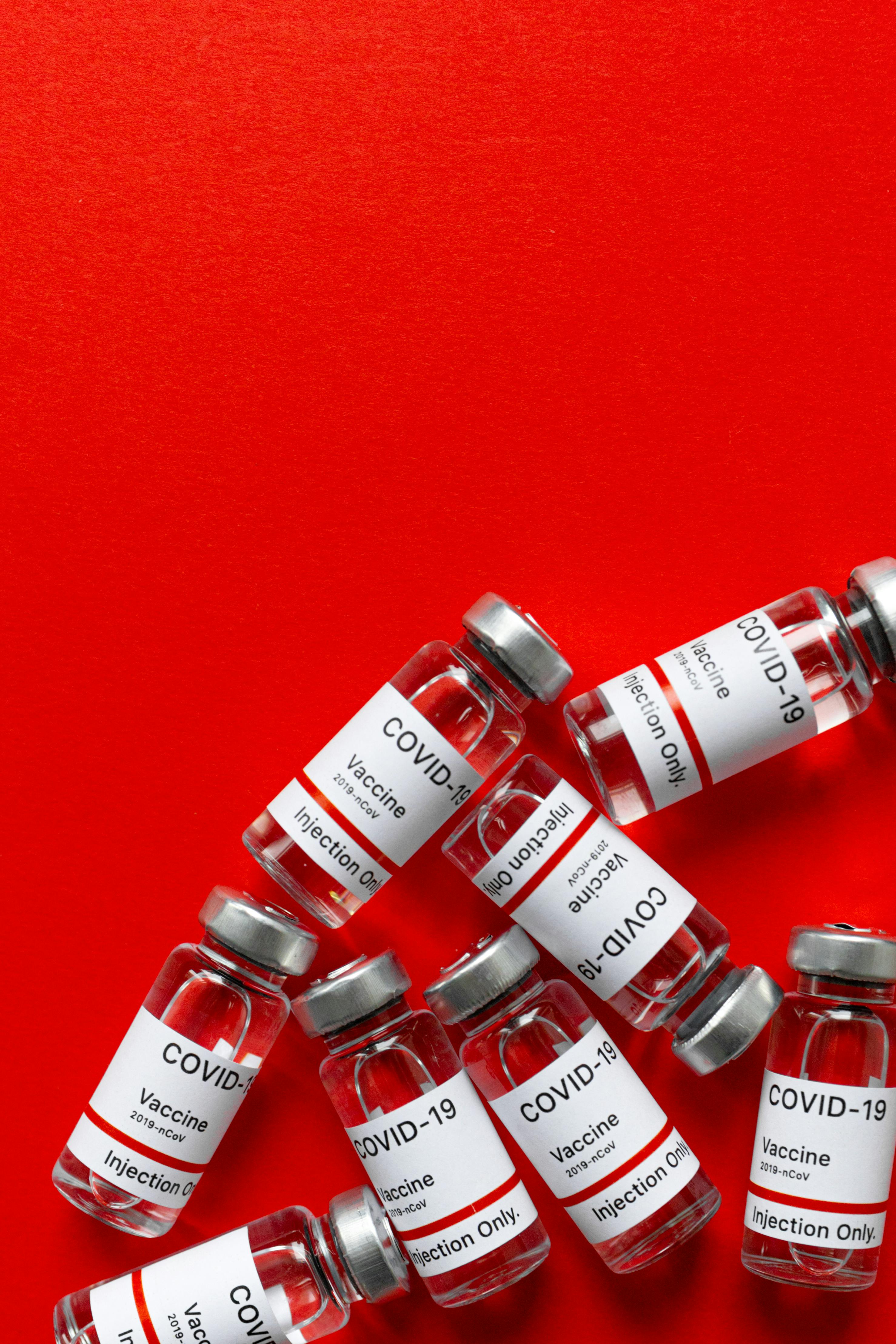
Cognitive distortions and information avoidance drive resistance to COVID vaccines.

The 1980s video game proves to make a notable difference with intrusive memories.

Breastfeeding shapes infant microbiome, reducing asthma risk and supporting immunity.

Federal agencies work together to effectively take down calculated botnet the compromised more than 200,000 devices.

New method is discovered for diagnosing bipolar disorder in teens, allowing for more timely interventions.
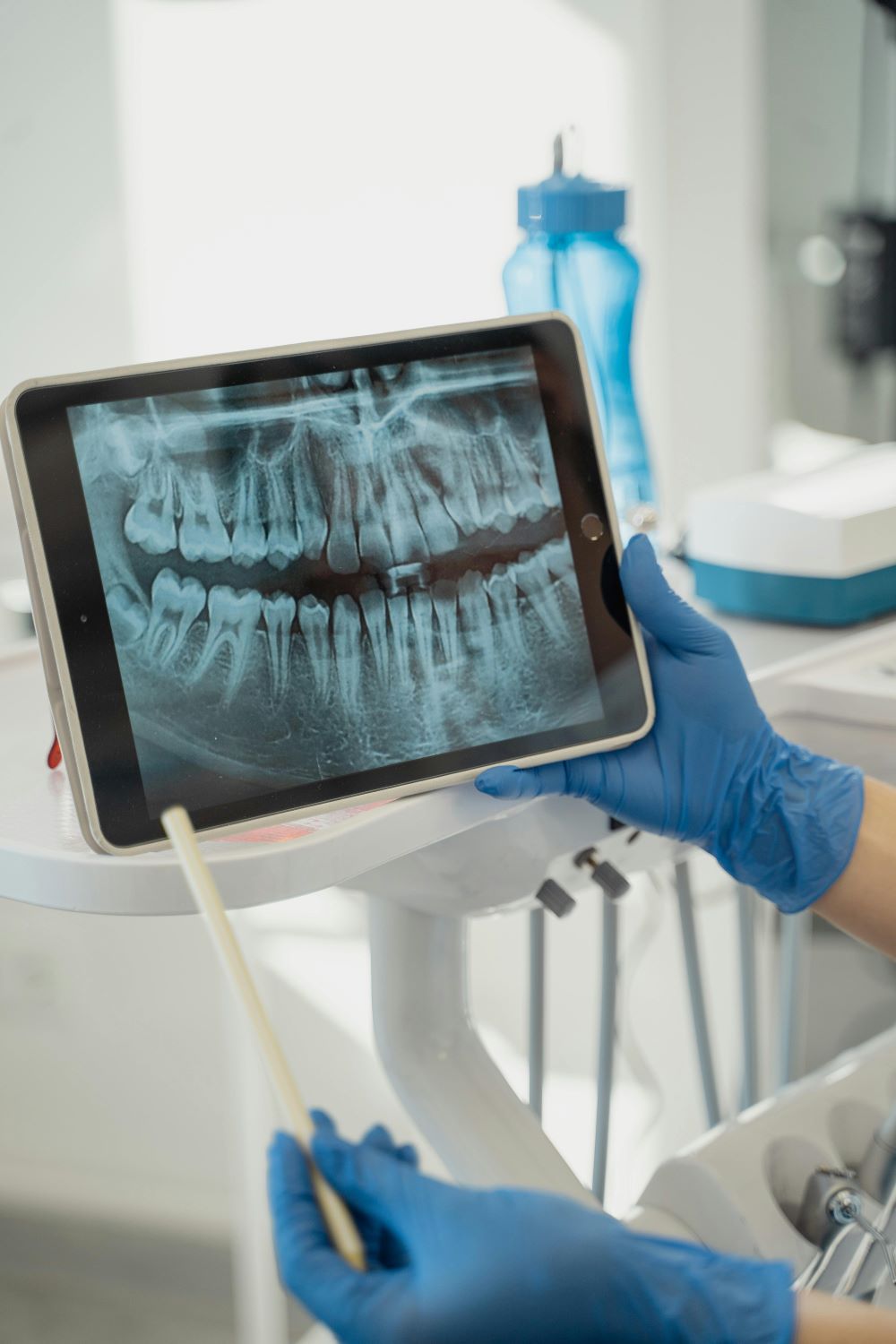
Researchers uncover how STAT3 helps oral cancer avoid detection, suggesting new treatments.

Study reveals environmental metals accelerate atherosclerosis, increasing cardiovascular disease risk.