
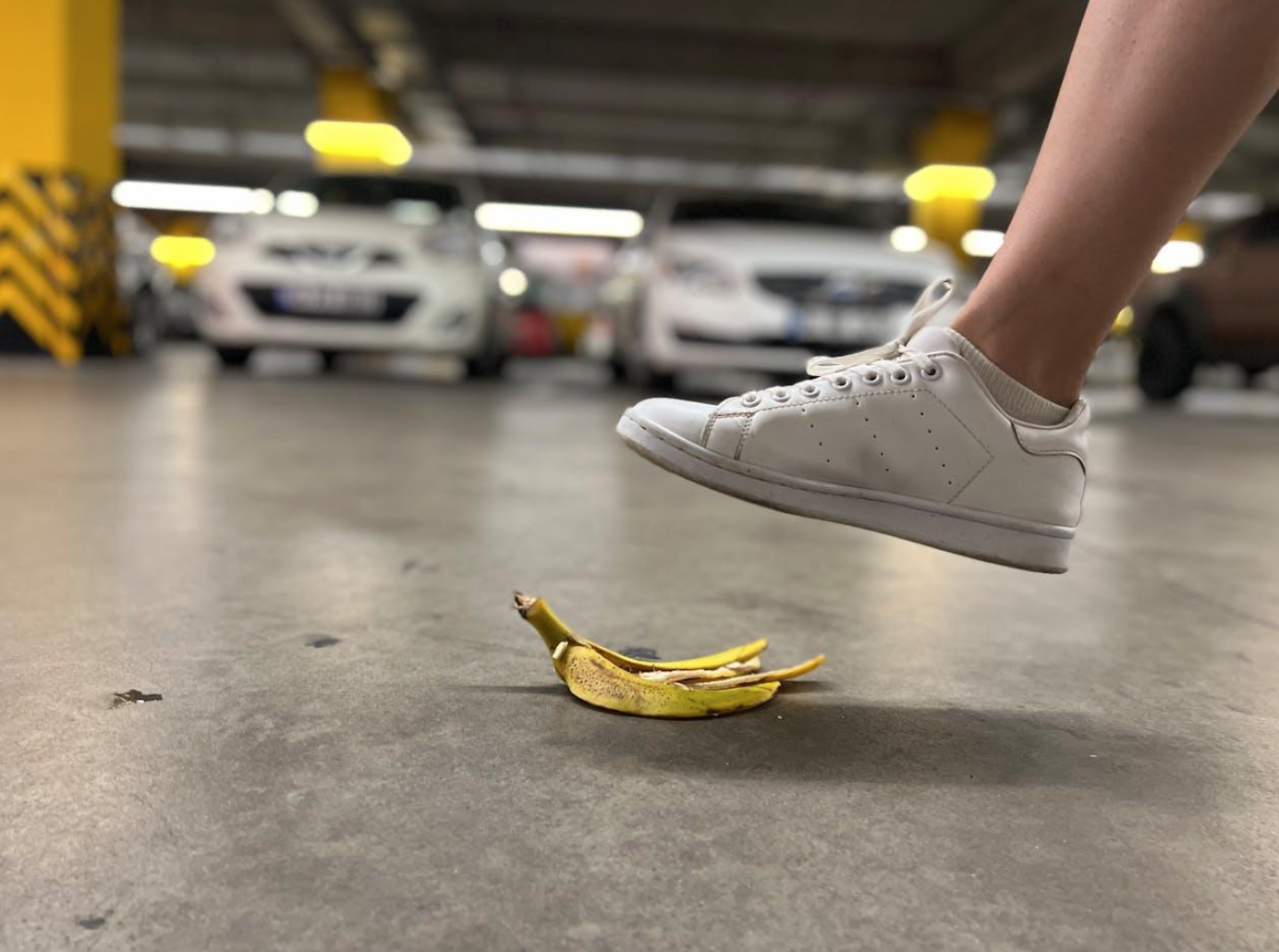
Calling an injured person clumsy can be an effective way to deflect attention from a dangerous property condition.
Slip-and-fall cases are often framed in the most convenient way possible for property owners and insurers. Someone falls, someone gets hurt, and the story quickly shifts to carelessness. The injured person was distracted. They missed the warning signs. They should have been paying closer attention.
That narrative is familiar, but it is not the legal standard.
A fall does not become less serious because someone labels it clumsy. In many cases, the real issue is whether a dangerous condition was allowed to exist long enough to cause harm and whether the people responsible for the property failed to address it. When that happens, injured people may seek legal help to determine whether the facts support a claim and what evidence can prove it. The burden of proof still matters, but so does the tendency to blame the person who was hurt before the full story is examined.
Blame Is Cheap, Evidence Is Harder to Ignore
The idea of the clumsy plaintiff persists because it is easy to sell. It pushes people to focus on a single moment instead of the conditions that caused it. A wet floor becomes a careless step. Poor lighting leads to inattention. A loose handrail becomes bad luck.
That framing can distort how slip and fall claims are viewed long before the facts are clear.
Premises liability law does not begin with assumptions about a person’s coordination. It begins with questions about the property itself. Was there a hazardous condition? Did the owner or manager know about it, or should they have known about it? Was there a reasonable chance to fix it or warn people? Those questions matter more than the instinct to treat every fall as personal embarrassment turned into litigation.
That is why documentation often matters more than the first story told after an accident. Photos, surveillance footage, maintenance records, incident reports, and witness accounts can show whether the fall was tied to a condition that should not have been ignored. A plaintiff may still face scrutiny over where they were looking or how fast they were moving, but that does not erase a property owner’s duty to address preventable hazards.
A Valid Claim Can Survive an Attack on Credibility
Defense strategies often try to reduce a serious safety failure to a personal mistake. If the injured person was looking at a phone, carrying bags, wearing the wrong shoes, or simply missed the hazard, the argument can seem easy to make. That does not make it persuasive.
A plaintiff does not have to prove perfection. The real question is whether the property owner failed to use reasonable care and whether that failure contributed to the injury. Even when the injured person is accused of missing an obvious risk, that does not erase the issue of whether the hazard should have been there at all.
Unsafe conditions rarely appear out of nowhere. Spills are left uncleaned. Walkways crack. Stairwells lose lighting. Entryways collect water with no warning signs in sight. Those problems point to maintenance and inspection failures, not just a single misstep.
Credibility still matters. A claim becomes stronger when the injured person gets medical care promptly, reports the incident, preserves evidence, and avoids exaggeration. Clear facts tend to outlast cheap character judgments.
The Strongest Cases Show a Pattern, Not Just a Fall
A single fall may happen in seconds, but the facts behind it often develop over days or weeks. A puddle that sat too long, a loose surface no one repaired, or a recurring hazard staff ignored can reveal a pattern of neglect. That shifts the focus away from the assumption that the injured person simply made a foolish mistake.
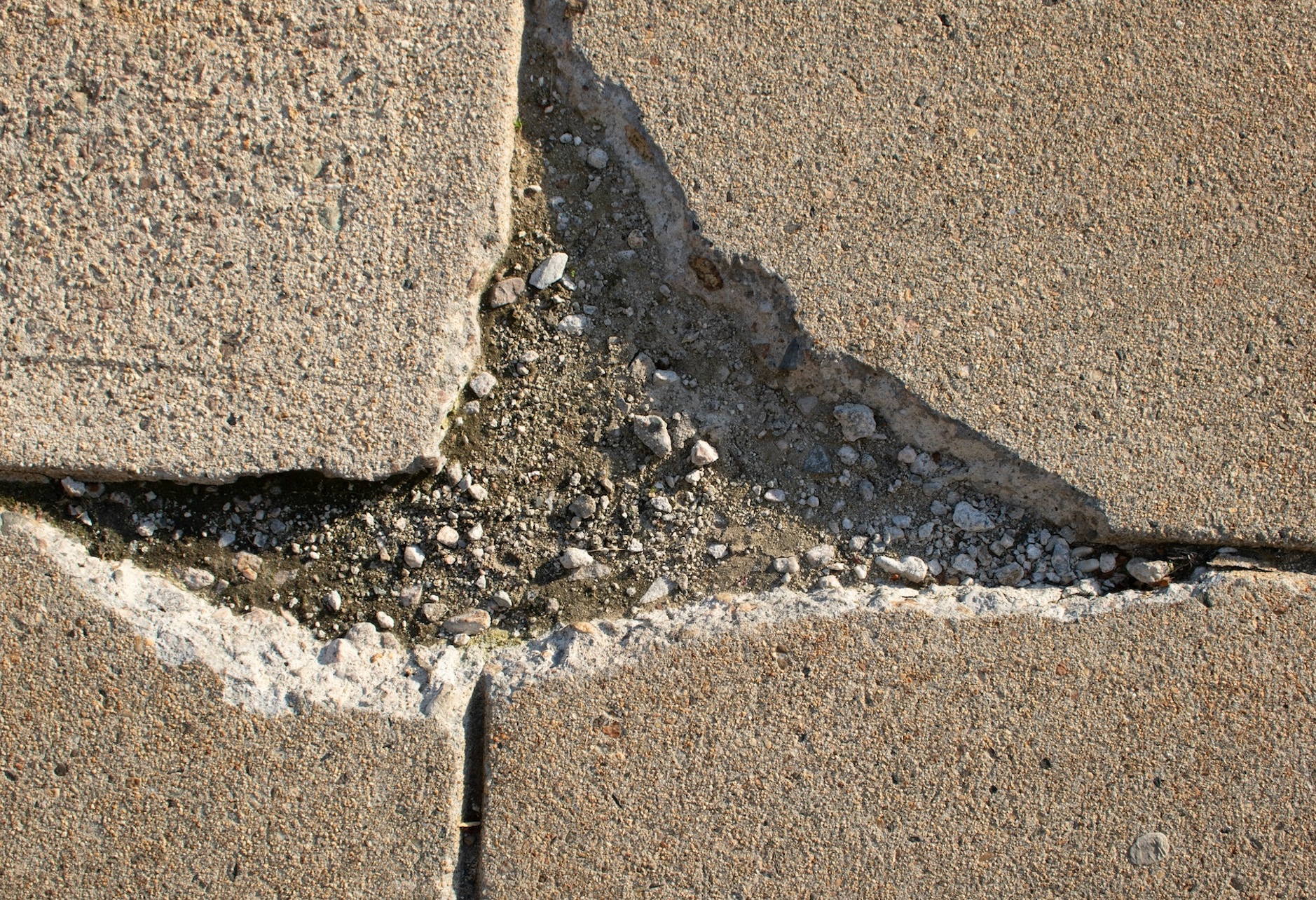
Strong claims are built on proof that the danger was preventable. That can include prior complaints, cleaning logs with obvious gaps, surveillance footage showing how long a hazard remained in place, or witness testimony describing the same condition before the incident. Those details can dismantle the idea that the fall was random or avoidable.
This is where the burden of proof in slip-and-fall cases becomes more than a legal phrase. It is the process of replacing a convenient story with a documented one. The clumsy plaintiff myth weakens when the evidence shows a property owner had a responsibility and failed to act.
Where These Cases Often Turn
Many slip-and-fall claims do not fail because the injury was minor or the hazard never existed. They fail because evidence disappears before the facts are fully assembled. Surveillance footage gets overwritten. Incident reports stay vague. Witnesses become harder to reach. The scene changes before anyone documents it.
Once that context is gone, the case often becomes a fight over memory and credibility. That usually favors the side with control over the property and the records.
Prompt action matters for that reason. Photographs, medical records, witness names, and a clear timeline can preserve details that make a claim harder to dismiss. Even outside litigation, federal rules on walking-working surface hazards reflect a basic point: many slip-and-fall risks are preventable when surfaces are properly maintained.
The Law Looks Past the Label
Calling an injured person clumsy can be an effective way to deflect attention from a dangerous property condition. It can shape how a claim is viewed before the evidence is ever examined. That does not make it legally meaningful.
What matters is whether the property owner failed to use reasonable care and whether that failure contributed to the fall. When the record shows ignored hazards, weak inspection practices, or preventable maintenance problems, the label starts to lose its force. For injured people trying to build a strong premises liability claim, that distinction matters. Cases like these are often decided by documentation, timing, and whether the evidence shows that a preventable hazard was left in place long enough to cause harm.
That is where slip-and-fall cases are often won or lost. Not on embarrassment, assumption, or rhetoric, but on proof.
Join the conversation!