
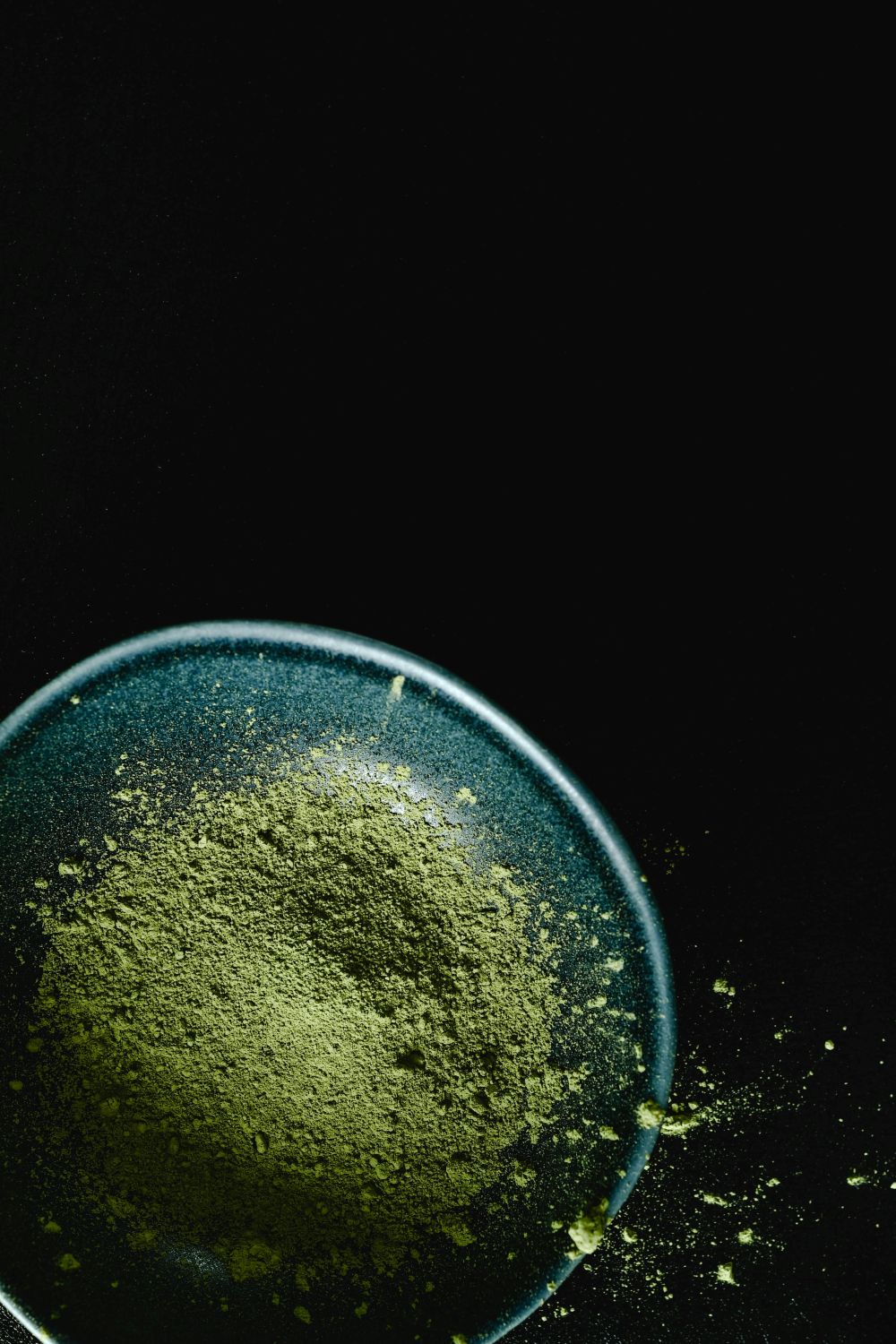
California removes kratom products amid rising safety and addiction concerns.
California officials have launched a large enforcement effort targeting kratom products, removing thousands of items from stores across the state after declaring the substances illegal for sale. Authorities reported that more than 3,300 kratom products statewide were seized within three weeks, representing roughly five million dollars in merchandise taken off retail shelves.
The action followed a decision by Governor Gavin Newsom and state regulators to classify kratom products as unlawful under existing rules, even though lawmakers had not passed new legislation banning them. Officials said the move was driven by growing concerns about addiction, overdoses, and deaths connected to the substance. State leaders described the crackdown as part of a broader effort to prevent potentially harmful products from remaining widely available in local communities.
Kratom comes from a plant native to Southeast Asia and has traditionally been used in some regions to relieve pain and increase energy. In the United States, the substance has gained popularity over the past decade as powders, capsules, drinks, and teas marketed for pain relief or mood improvement. Some users have turned to kratom as an alternative to prescription opioids, while others seek stimulant-like effects at lower doses. Because the plant contains compounds that act on opioid receptors in the brain, health officials have raised concerns about dependence and misuse.
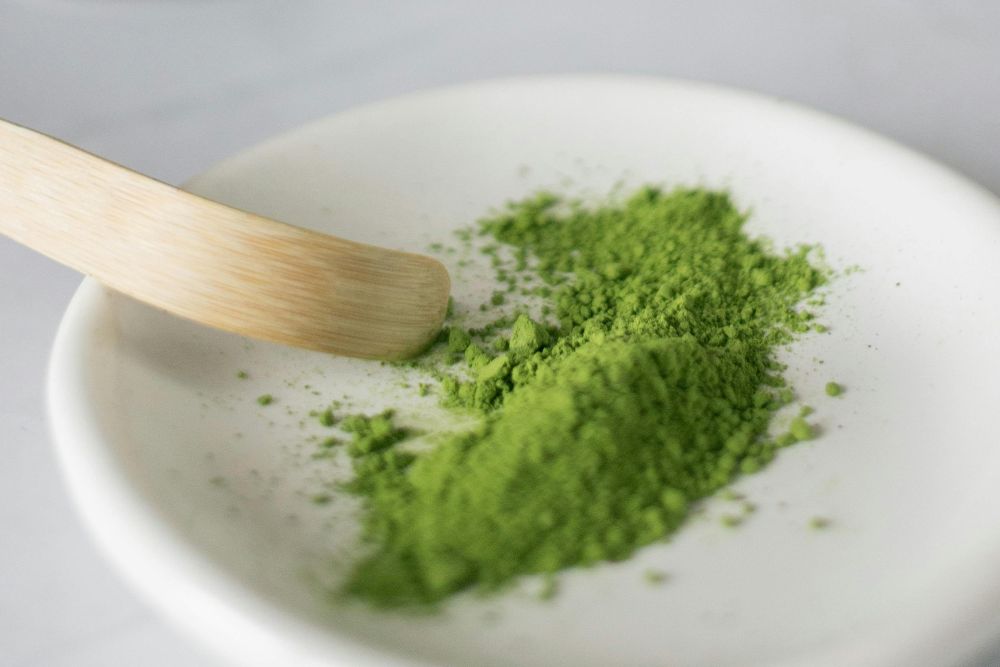
Public health agencies have focused particular attention on a related product known as 7-OH, a concentrated compound derived from kratom that experts say is significantly stronger than traditional forms. Researchers and regulators warn that stronger versions may increase the risk of addiction and overdose, especially when products are sold without clear labeling or dosage guidance. Officials reported rising alarm among parents and community groups after products were widely sold in convenience stores, sometimes accessible to teenagers.
According to state data cited in the announcement, more than two hundred deaths between 2020 and 2022 were linked in some way to kratom use, with several cases attributed solely to the substance. While researchers continue to debate the exact level of risk, state leaders argued that the number of deaths justified immediate action. Authorities said removing products from stores could reduce access while policymakers consider longer-term regulation.
The crackdown followed a failed legislative effort the previous year that attempted to ban 7-OH products specifically. After the proposal stalled, regulators reassessed existing consumer protection laws and concluded that kratom items already violated state rules. Retailers were first warned through an education campaign launched in January, informing businesses that continued sales could lead to enforcement actions. Product seizures began the following month when officials determined that some stores continued offering kratom despite the warnings.
California’s approach differs from the position taken by the U.S. Food and Drug Administration, which has focused primarily on restricting concentrated compounds like 7-OH rather than banning natural kratom outright. The difference highlights ongoing debate among regulators, scientists, and lawmakers about how the substance should be classified and controlled. Some advocates argue kratom may help people reduce opioid dependence, while critics warn that inconsistent strength and limited oversight create safety risks.
Supporters of stricter enforcement and statewide seizures say the wide availability of kratom products made action necessary, particularly because many items were sold alongside everyday convenience store goods. Health officials expressed concern that consumers may assume plant-based products are automatically safe, even when potency varies widely between brands.
Businesses affected by the statewide seizures may face financial losses as the state continues enforcement efforts. Retailers have been advised to remove kratom products voluntarily to avoid penalties while legal questions surrounding the classification move forward. The long-term outcome may depend on future court challenges or legislative action clarifying how the substance should be regulated.
The situation reflects a broader national discussion about emerging substances that fall between dietary supplements and controlled drugs. As states respond differently to kratom sales, consumers and businesses face a changing legal landscape shaped by public health concerns, scientific uncertainty, and evolving policy decisions.
Sources:
Newsom blames kratom for 27 deaths as California seizes millions in products
ABC Announces Education, Enforcement Effort to Eradicate Illegal, Deadly Kratom Products
California Dept of Public Health Seizes Kratom Despite Lack of Prohibition Laws
Join the conversation!