
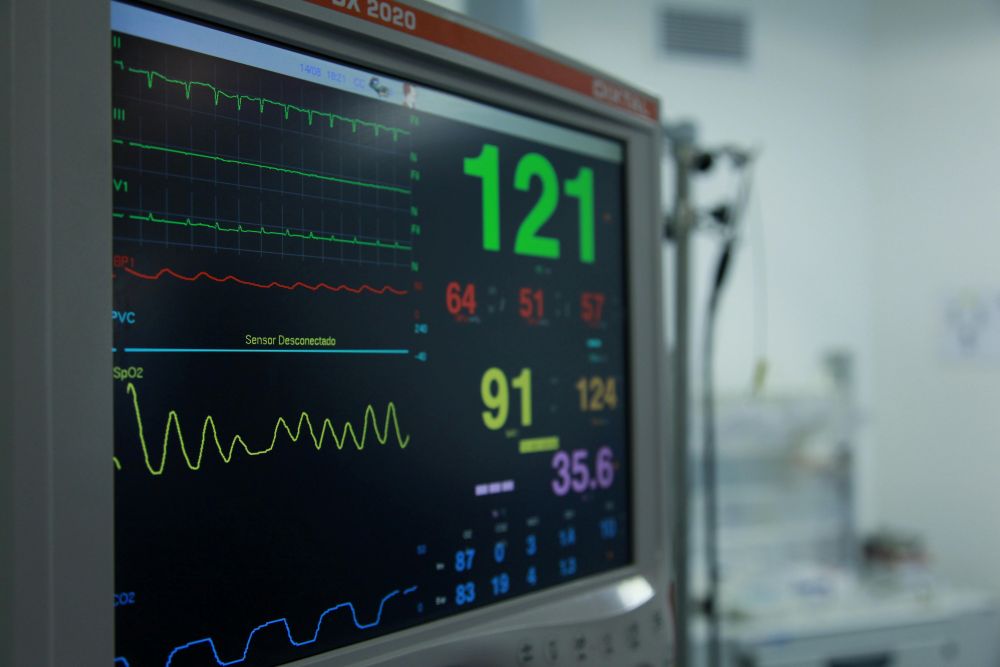
Recorded family voices helped reduce delirium in critically ill patients.
A new study suggests that something as simple as hearing a familiar voice may help protect hospital patients from one of the most common and troubling complications of intensive care: delirium. Researchers found that playing short, family recordings reduce confusion and disorientation in those patients who were critically ill and on mechanical ventilation.
The project, known as the Family Automated Voice Recording (FAVoR) intervention, used pre-recorded messages from loved ones to help orient patients to their surroundings and maintain a sense of time and comfort. The messages, which followed a structured script, played automatically through a wireless speaker near the patient’s bed every hour during the day for up to five days. Patients who heard these recordings had more delirium-free days than those who received standard care, according to findings published in the American Journal of Critical Care.
Delirium is common in intensive care units and can cause confusion, memory problems, and long-term cognitive decline. It often develops suddenly and is linked to higher death rates, longer hospital stays, and ongoing mental health struggles after discharge. While doctors have long tried medications to prevent it, most drug treatments have proven ineffective. Non-drug approaches—such as helping patients recognize where they are and maintain a sense of day and night—have shown more promise.
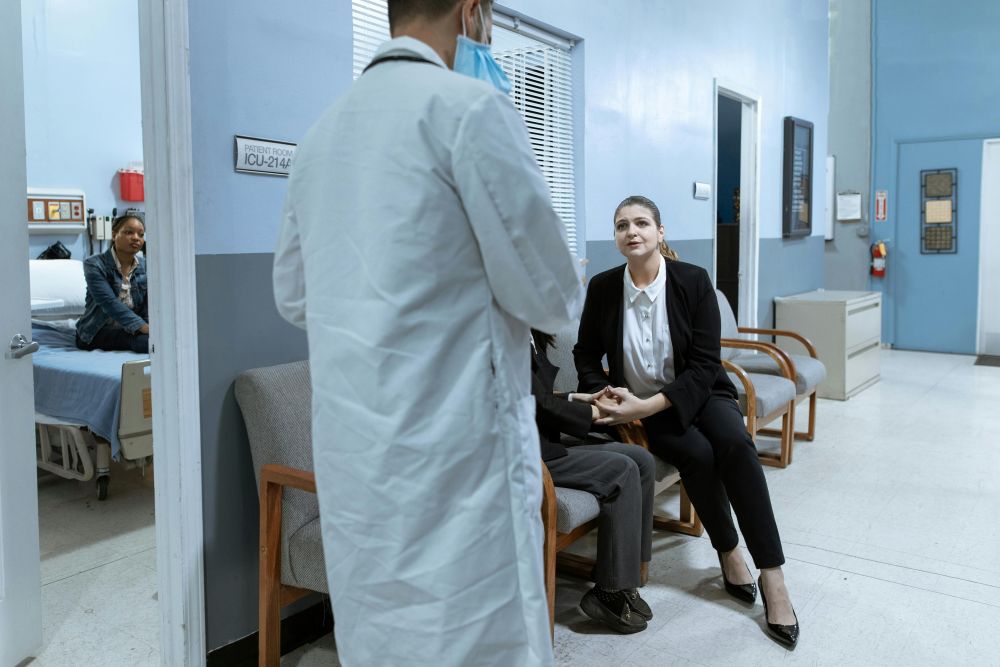
The FAVoR study provided an innovative way to include families in this process, even when they couldn’t be physically present. Many intensive care units limit visitation for infection control or safety reasons, which can make it harder for families to stay connected. In this trial, ten two-minute recordings were created by a designated family member, either in English or Spanish. The recordings contained comforting information about the hospital setting, reassurances about care, and gentle reminders about time and place.
The research was conducted across nine intensive care units at two large hospitals in South Florida between 2018 and 2020. A total of 178 adult patients participated, with some delays in the study caused by the COVID-19 pandemic. The team used a standardized evaluation tool called the Confusion Assessment Method for the ICU-7 to measure delirium twice daily. Results showed that patients exposed to the family recordings had fewer signs of delirium and recovered mental clarity more quickly. The more often they heard the recordings, the better their outcomes tended to be.
Lead author Dr. Cindy Munro, dean emeritus of the University of Miami School of Nursing and Health Studies, said the idea was to strengthen family involvement even when circumstances kept relatives away from the bedside. The approach also required minimal cost and training, making it easy for hospitals to adopt.
Researchers believe that familiar voices provide both comfort and orientation, helping patients stay mentally grounded in an otherwise disorienting environment. While further studies are needed to confirm the long-term benefits, the findings highlight the power of human connection—even through a speaker—to support recovery in critical care settings.
Sources:
Familiar voices help reduce the risk of delirium in ICU patients
Join the conversation!