
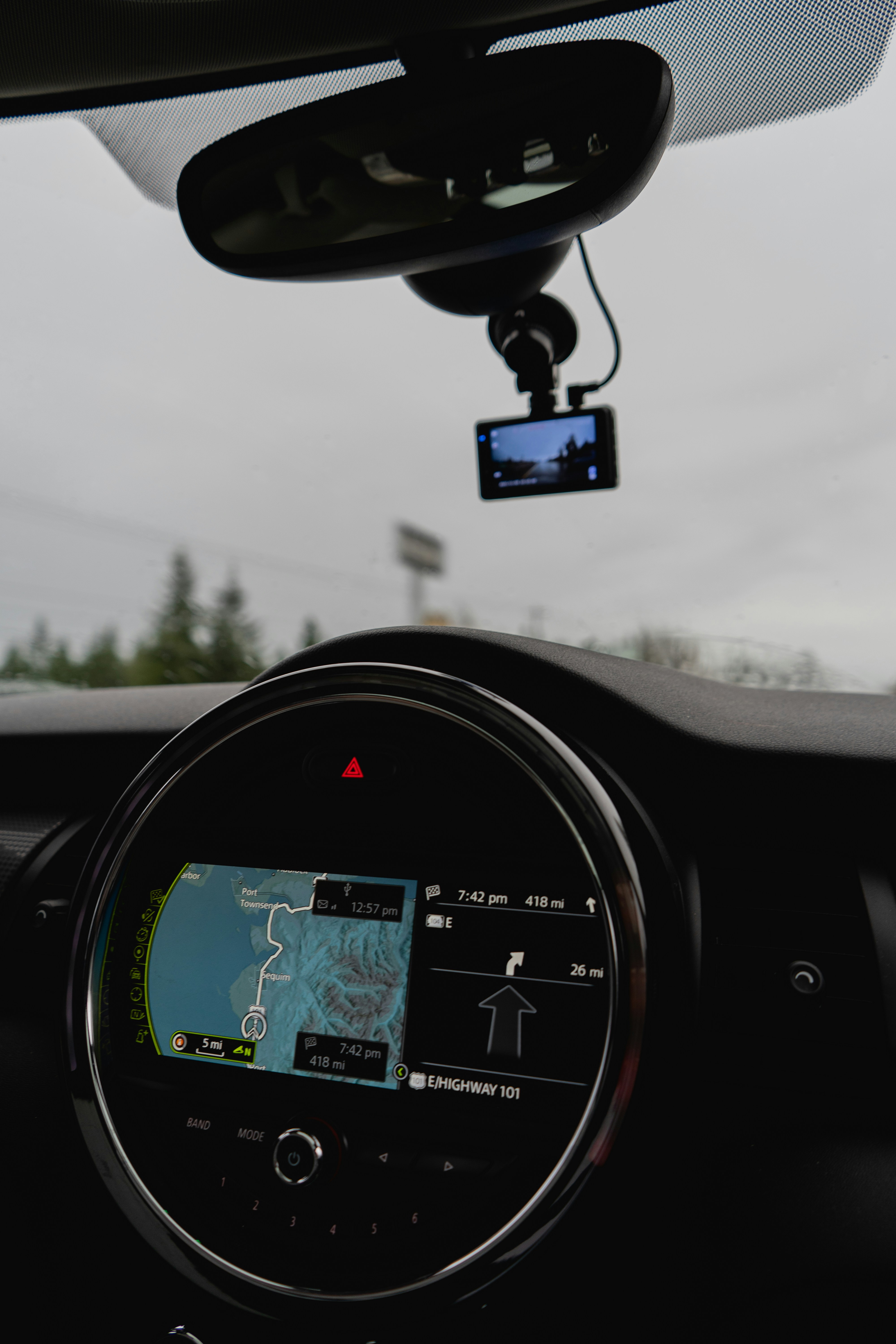
Even the clearest dashcam footage doesn’t speak for itself. Proper interpretation, strategic use, and legal framing are all essential.
Dashcam video is becoming a critical piece of evidence in car accident claims. Accident claims that once relied solely on competing accounts can now be backed by clear, timestamped footage. But even when the footage is helpful, it must be preserved, authenticated, and presented correctly to support a personal injury claim. This article explains how dashcam footage is influencing accident claims and why experienced legal guidance remains essential.
The Growing Role of Dashcams in Accident Cases
Affordable and easy-to-install dashcams are now widely used in personal vehicles, commercial trucks, and rideshare cars. As a result, more accident claims include footage from the incident.
However, not all footage is saved automatically. Many dashcams record in a loop, overwriting themselves after a short period. If the video isn’t downloaded and preserved soon after the crash, it could be lost permanently.
Footage that is captured and preserved correctly can offer an objective view of what happened. But it still needs to meet evidentiary standards. The footage must be authentic, clearly timestamped, and supported by a chain of custody showing who accessed it and when. An experienced personal injury attorney can ensure the video is admissible and introduced at the right time.
Proving Fault and Defending Against Exaggerated Claims
Dashcam footage can confirm or disprove how a collision occurred by showing:
- Speeding
- Distracted driving
- Traffic signals
- Weather conditions
- Sudden lane changes
These visual details help reduce ambiguity and allow attorneys and insurers to understand how the crash unfolded. Video can also protect drivers against false or exaggerated allegations. A clear, uninterrupted recording may prevent the other party from distorting the facts.
That said, interpreting dashcam footage isn’t always simple. Camera placement, lighting, and obstruction can affect what is shown and how it’s understood. Timestamps may also need to be verified. Attorneys often work with forensic experts or reconstruction specialists to review the footage and frame it in the larger context of the accident.
How Dashcams Affect Insurance Claims
When footage shows the key moments of a crash, it can accelerate the insurance process. Carriers are more likely to accept liability and move toward resolution when the evidence is clear.
Dashcam recordings also provide leverage in settlement negotiations. A demand letter that includes a compelling video tends to carry more weight, especially if the footage undermines an opposing party’s version of events.
Still, insurance adjusters may interpret the footage differently or focus on moments that appear ambiguous. That’s why attorneys often review the video before turning it over—ensuring it supports the claim and anticipating potential disputes.
The Courtroom Impact of Dashcam Footage
In front of a jury, video evidence can be especially persuasive. Jurors respond to what they can see with their own eyes. When witness testimony conflicts with video, jurors are more likely to side with the footage.

But presenting dashcam footage at trial takes more than just pressing play. Attorneys must plan how and when to introduce the video, walk the jury through what it shows, and address any gaps or visual limitations.
In more complex cases, lawyers may consult accident reconstruction experts who combine footage with technical data, such as speed calculations, braking distances, and vehicle trajectories, to help explain the full picture.
Limitations and Legal Considerations
While dashcams are valuable, they are not foolproof. Footage taken on private property or of individuals without consent may raise privacy concerns, depending on local laws. These issues should be addressed early to avoid admissibility problems.
Maintaining a clean chain of custody is also critical. If the original file is lost, edited, or transferred without documentation, the footage may be challenged in court. Preserving the original video and keeping a clear record of who handled it is essential.
Finally, dashcams may not capture everything. A crash might be recorded, but critical moments beforehand—like a driver’s distraction or mechanical failure—may be missing from the frame.
Why Legal Guidance Still Matters
Even the clearest dashcam footage doesn’t speak for itself. Proper interpretation, strategic use, and legal framing are all essential. As accident claims increasingly rely on video evidence, experienced legal counsel will play a key role in ensuring that footage strengthens a claim rather than complicates it.
Join the conversation!