
Senate Bill 5 Will Limit Consumer Rights
The Consumers Council is concerned that Senate Bill 5 proposal, if passed, would limit consumer rights.

The Consumers Council is concerned that Senate Bill 5 proposal, if passed, would limit consumer rights.

If you view the U.S. as blessed by God, yet falling into decline due to liberals, Pence is your guy. Leviticans support the GOP because the GOP throws them legislative bones often enough to secure their allegiance. Promises to repeal Roe v. Wade alone have bound the evangelical base to the Republican party long enough to push through legislation congenial to corporate interests. Is the Muslim ban another prize meant to keep the coalition together despite the decidedly unChristian behavior of President Trump? Or was it an invention of Steve Bannon, to further polarize the electorate? Either way, strange times are afoot. One can only hope that enough of the Leviticans remember Leviticus 19:33-34.

Last week, Trump’s executive order banning Muslims from selected countries from entering the U.S. captured headlines around the world. The Muslim ban provoked outrage from protesters, despair among refugees, general indignity, and sanctuary offers from Canada’s Justin Trudeau. Along with other xenophobic promises such as the Mexican border wall, the Muslim ban surely energizes his political base. However, is there more to these plans than meets the eye?
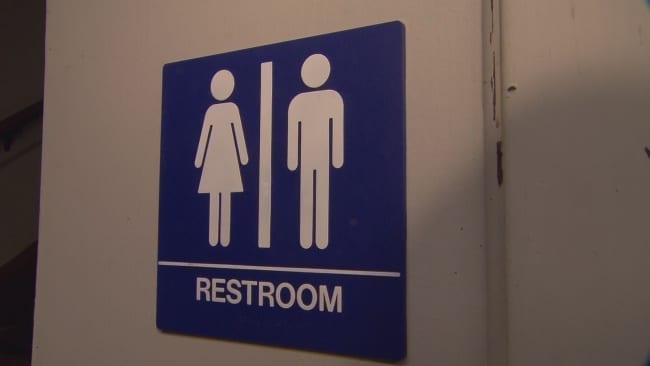
Former Patrick Henry High School student gets $1.25 million for teacher’s refusal to let her use the restroom, forced into using bucket instead.

Colorado criminal defense lawyer Benjamin Christopher Carraway files a class action lawsuit for aggressive arrests made for peaceful protesting.

Another instance of racial discrimination has been uncovered, this time by the U.S. Environmental Protection Agency’s civil-rights office. It’s been discovered that the Michigan Department of Environmental Quality (MDEQ) discriminated against African American’s residing in Flint “during the permitting of a power plant” in Genesee County more than two decades ago. Since it’s construction, the Genesee Power Plant burned “wood waste and other debris from 1992 through 1994.”
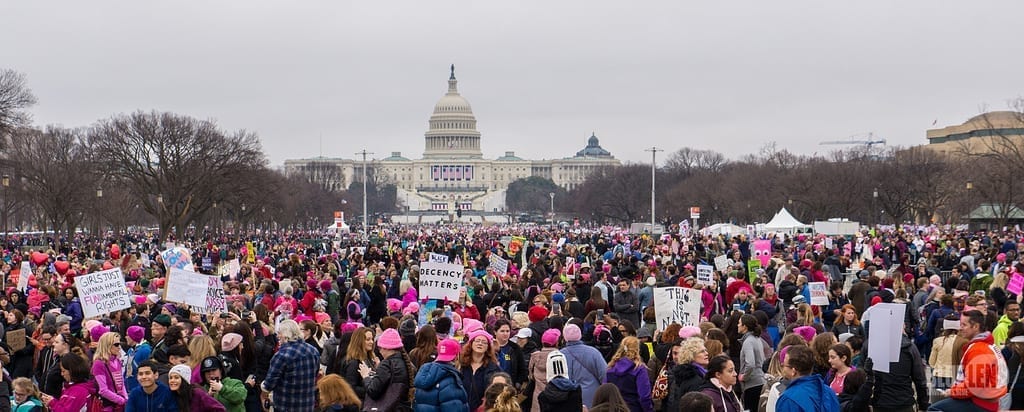
A week ago today, thousands of women and their allies were preparing to protest. Some were putting the finishing touches on their signs. Some were already on board buses headed across the country. The next day, from Washington D.C. to Antarctica, women marched peacefully, to show their solidarity with each other. They marched to show their disdain for misogyny. They marched to be counted and heard. But will their efforts amount to real change? It depends upon what happens after the march. While many people perceive protest marches as an exercise in democracy, that may be the wrong way to think about them. Protests are about consuming democracy. What matters more is the production of democracy.

Settlement reached in class action lawsuit alleging MTA could not accommodate passengers with disabilities. It promises to change for the better.

Chinese human rights attorney Xie Yang claims he was forced into signing a false confession while being detained in China.
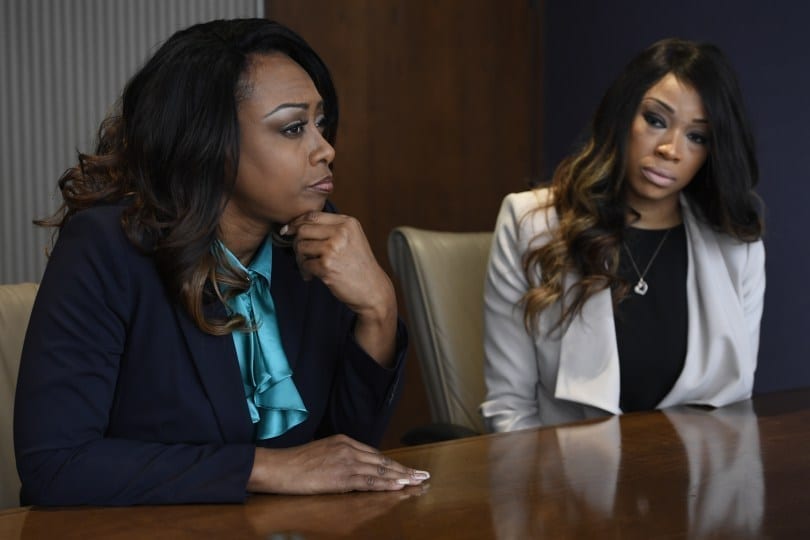
A Denver life insurance company has been accused of racial and sexual discrimination in a recent federal lawsuit filed by the U.S. Equal Employment Opportunity Commission (EEOC). The plaintiffs include seven African American Denver “annuity wholesalers and supervisors” who’s experiences include many “blatant racial and sexual abuse incidents,” such as when one saleswoman was “ordered to get on her knees while her boss mimicked a sex act with a vodka bottle and fellow workers laughed.” Others recounted times when they were “demeaned, denied promotions and bonuses, and fired” when they spoke out against the discrimination. According to EEOC attorneys and other private attorneys involved in the case, the lawsuit aims to award the plaintiffs things like “back pay, punitive damages and future lost wages.”