
Those who understand the system early keep leverage. Those who don’t give it away without realizing it.
Eviction doesn’t knock politely in California. It arrives fast, legal, and unforgiving.
One week, you’re juggling rent, repairs, or a job change. Next, there’s a notice taped to a door or slipped under a mat. Phones come out. Browsers open. Searches spike for “eviction attorney near me” and “eviction lawyer near me.” Not because anyone wants a fight, but because the rules feel buried, rushed, and stacked.
And in California, they are.
This state doesn’t treat eviction like a casual dispute. It treats it like a court-controlled sprint, with deadlines measured in days, not months. Miss one step, and the outcome locks in.
Let’s slow it down and strip the noise.
California Eviction Law Runs on Deadlines, Not Feelings
Evictions here fall under the unlawful detainer law. That’s legal jargon for: a landlord suing to reclaim possession when a tenant allegedly broke the lease, didn’t pay rent, or overstayed. The courts prioritize possession over persuasion.
The backbone is in California Code of Civil Procedure §§ 1159–1179a. This isn’t a guidebook. It’s statutory law. It tells judges exactly how notices, filings, and timelines must work, and it doesn’t leave room for improvisation. Even minor mistakes can collapse a case.
Judges don’t freestyle these cases. They enforce statutes. Cleanly. Quickly.
For example, Los Angeles Superior Court’s monthly reports (2025 filings) show unlawful detainer cases moving from complaint to judgment in under four weeks on average. Tenants often lose without ever having their side heard, simply because the timeline moves faster than most expect.
The Notice Is the Matchstick
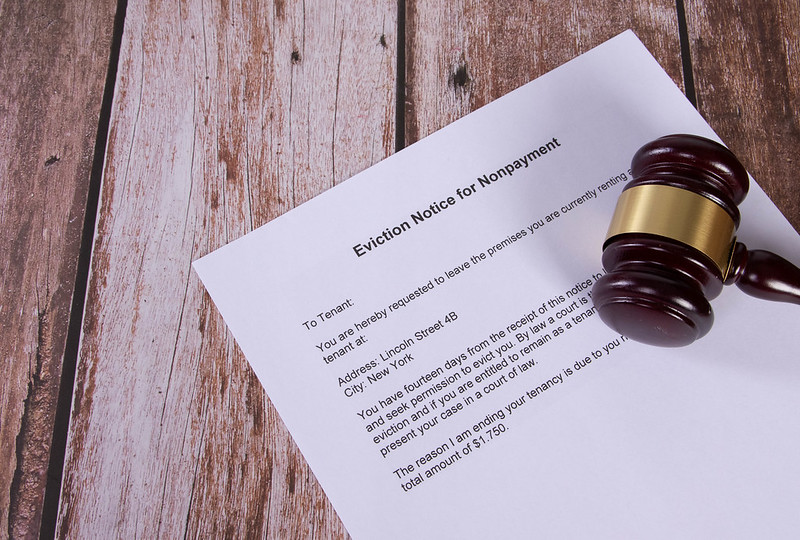
Every eviction starts with paper. Not the court. Not the police. Paper.
A notice must be:
- Statutorily correct
- Properly served
- Accurate down to the dollar
Most aren’t.
The California Courts Self-Help Center spells out notice requirements plainly. It clarifies which type of notice applies: 3-day pay or quit, 3-day cure or quit, or 30-60 day no-fault termination. Even a single typo or misdated period can void the notice.
In Los Angeles, legal aid clinics report defective notices as the most common tenant defense. The Los Angeles Times has repeatedly flagged post-pandemic filings where landlords ignored local ordinances or misworded notices.
One wrong amount. One missing disclosure. One shortcut. And your case dismissed.
That’s not mercy. That’s the procedure.
Rent Control Changed the Game — Many Owners Still Play the Old One
Since 2020, California’s Tenant Protection Act (AB 1482) has reshaped eviction law statewide. It didn’t ask landlords to adjust. It required it.
After 12 months, most tenants gain just-cause protection. That means:
- No eviction without a legal reason
- No “we just want the unit back” logic
- No skipping relocation payments in no-fault cases
The law lives here: Tenant Protection Act.
Cities like Los Angeles, San Francisco, and Oakland go further. The San Francisco Rent Board regularly publishes data showing unlawful detainer filings denied due to local ordinance violations.
It highlights that state law is the floor. And the local law is the trapdoor.
Tenants Lose by Staying Quiet
Here’s the ugly truth: Many tenants don’t lose because they’re wrong. They lose because they freeze.
Once served with an unlawful detainer complaint, a tenant has five court days to respond. Not business days. Court days.
No response means a default judgment. No hearing. No explanation. And the sheriff’s notice follows.
Legal aid groups across California repeat the same warning: doing nothing is the fastest way out of your home.
Eviction Court Is Not a Regular Civil Court
Unlawful detainer cases move on a fast lane with no shoulder.
Discovery windows shrink. Trial dates land fast. Judges expect precision.
In Alameda County, court calendars routinely schedule eviction trials within 20 days of filing. The San Francisco Chronicle has reported on how this speed overwhelms unrepresented tenants, especially seniors and working families.
This is not a space for improvisation. Paperwork, proof, and timing dominate the outcome.
“Self-Help” Evictions Still Happen & Still Blow Up
Despite decades of warnings, some landlords still try shortcuts:
- Changing locks.
- Killing utilities.
- Pressuring tenants to leave “voluntarily.”
California Civil Code § 789.3 bans it outright.
Courts don’t shrug these off. They punish them. Statutory damages. Actual damages. Attorney fees. Possession restored.
The law doesn’t reward impatience. It penalizes it.
Habitability Isn’t a Vibe. It’s Evidence
Tenants often raise habitability defenses. Some stick. Many fail.
Why? Proof.
The implied warranty of habitability lives in Civil Code §§ 1941–1942.
Courts want:
- Written repair requests
- Inspection reports
- Photos with dates
- Clear timelines
“I told them” doesn’t cut it. Paper does.
Housing advocates in Los Angeles County routinely stress this point in clinics: Document first, argue later.
Pandemic Assumptions Still Sink Real Cases
COVID eviction protections reshaped the system, then expired unevenly. Confusion lingers.
Some tenants believe nonpayment still blocks eviction. Some landlords assume the slate wiped clean.
Neither assumption survives the court.
The California Judicial Branch keeps updated guidance.
Local rules still matter. Old debt still complicates cases. And judges apply current law, not pandemic memory.
But Why Do People Still Search for an “Eviction Lawyer Near Me”
Because eviction law doesn’t pause for learning curves.
Representation doesn’t guarantee victory. It guarantees procedural survival.
Lawyers don’t win by speeches. They win by:
- Drafting enforceable notices
- Meeting service rules
- Filing on time
- Anticipating defenses
- Keeping records airtight
That’s why the search for an eviction attorney near me usually starts after the paperwork lands. By then, time matters more than intent.
What Actually Helps Before Court
Smart parties (tenant or owner) gather:
- Lease agreements
- Payment records
- Notices and proofs of service
- Repair logs
- Communications
Eviction court rewards preparation. It punishes assumptions.
The Bottom Line
Eviction in California isn’t mysterious. It’s mechanical.
The law moves fast. Deadlines rule. And paper wins.
Landlords lose cases by rushing. Tenants lose cases by waiting.
Those who understand the system early keep leverage. Those who don’t give it away without realizing it.
And once the clock starts, it does not care how reasonable anyone feels.
Join the conversation!