

Study finds psilocybin may ease suicidal thoughts and depression for months after treatment.
A new study points to how a single dose of psilocybin, given alongside therapy, may provide lasting relief for people living with severe depression and chronic suicidal thoughts. Researchers found that many participants experienced rapid improvements that continued for at least three months after treatment. Chronic suicidal thinking remains one of the hardest mental health problems to treat. Many people continue to struggle even after trying several antidepressants, therapy programs, or other medical treatments. While some newer options can reduce suicidal thoughts quickly, their benefits often wear off within days or weeks, making this new discovery a very hopeful one.
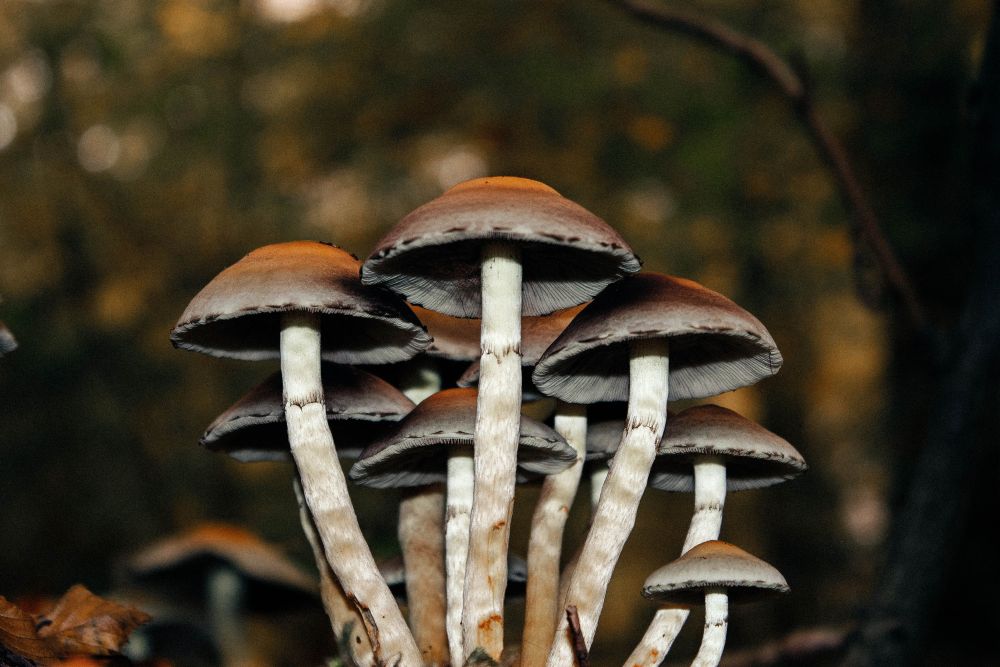
Psilocybin, the active ingredient in magic mushrooms, has gained increased attention in recent years. Scientists believe it temporarily changes how different brain regions communicate to one another, especially n areas linked to self-reflection and repetitive negative thinking. In people with severe depression, these patterns can become deeply ingrained, trapping them in cycles of hopelessness and despair.
The new study, published in The Journal of Clinical Psychiatry, involved 20 adults between the ages of 18 and 65. All participants had major depressive disorder and ongoing suicidal thoughts that had not improved despite trying at least two antidepressant treatments. Researchers designed the trial to examine whether psilocybin could safely reduce suicidal thinking in a group that has often been excluded from research due to safety concerns.
Before treatment, participants slowly stopped taking their psychiatric medications under medical supervision. They then took part in three therapy sessions to prepare for the experience. During the main treatment session, each person received a single 25-milligram dose of synthetic psilocybin while resting in a comfortable room with eye shades and music. Two trained therapists remained with participants throughout the session, which lasted about eight hours. Afterward, participants attended three follow-up sessions to discuss their experience.
Researchers measured suicidal thoughts before treatment and again one week, three weeks and twelve weeks afterward. Depression symptoms were also tracked throughout the study. The results showed large reductions in suicidal thoughts by the third week, and improvements appeared as early as the first week after treatment. By week three, 75 percent of participants experienced at least a 50 percent drop in suicidal thoughts. Nearly half no longer met the criteria for suicidal ideation at all. Depression symptoms also improved significantly and were lower throughout the study.
Study co-author Scott Aaronson said the team did not expect such strong results. He said many participants continued to experience benefits for the entire three-month follow-up period. Researchers also found that suicidal thoughts appeared to improve even more than depression symptoms in some cases, raising the possibility that psilocybin may have a direct effect on suicidality in a positive way. Importantly, the study found little evidence that psilocybin increased suicidal thinking overall, a concern that has surrounded psychedelic treatments for years.
Researchers did notice differences between people who responded well and those who did not. Participants who entered the study with stronger feelings of hopelessness and pessimism appeared less likely to experience lasting relief. This finding suggests that a person’s mindset before treatment may influence how well psychedelic therapy works and that the effects of the initial therapy sessions also may have played a role in the results.
Despite the encouraging results, the study has several limitations. It was small and lacked a placebo group, meaning researchers cannot fully separate the effects of psilocybin from the effects of therapy, expectations or other factors. More than half of participants also restarted psychiatric medications after the third week, making it harder to determine how much of the long-term improvement came from the single dose alone. Larger studies with placebo groups and longer follow-up periods are now needed to test the results in a broader, more closely monitored setting.
Sources:
A single dose of psilocybin provides months of relief from chronic suicidal thoughts in new study
Join the conversation!